

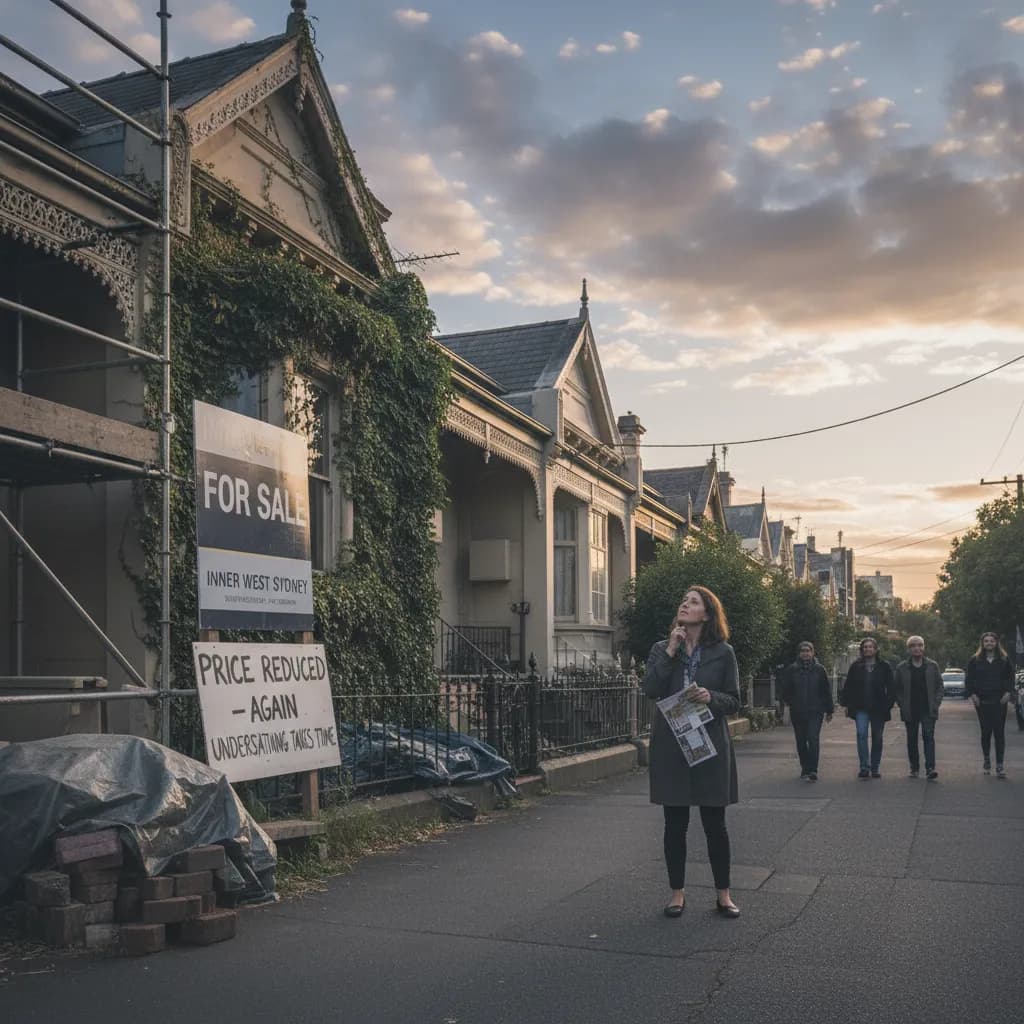
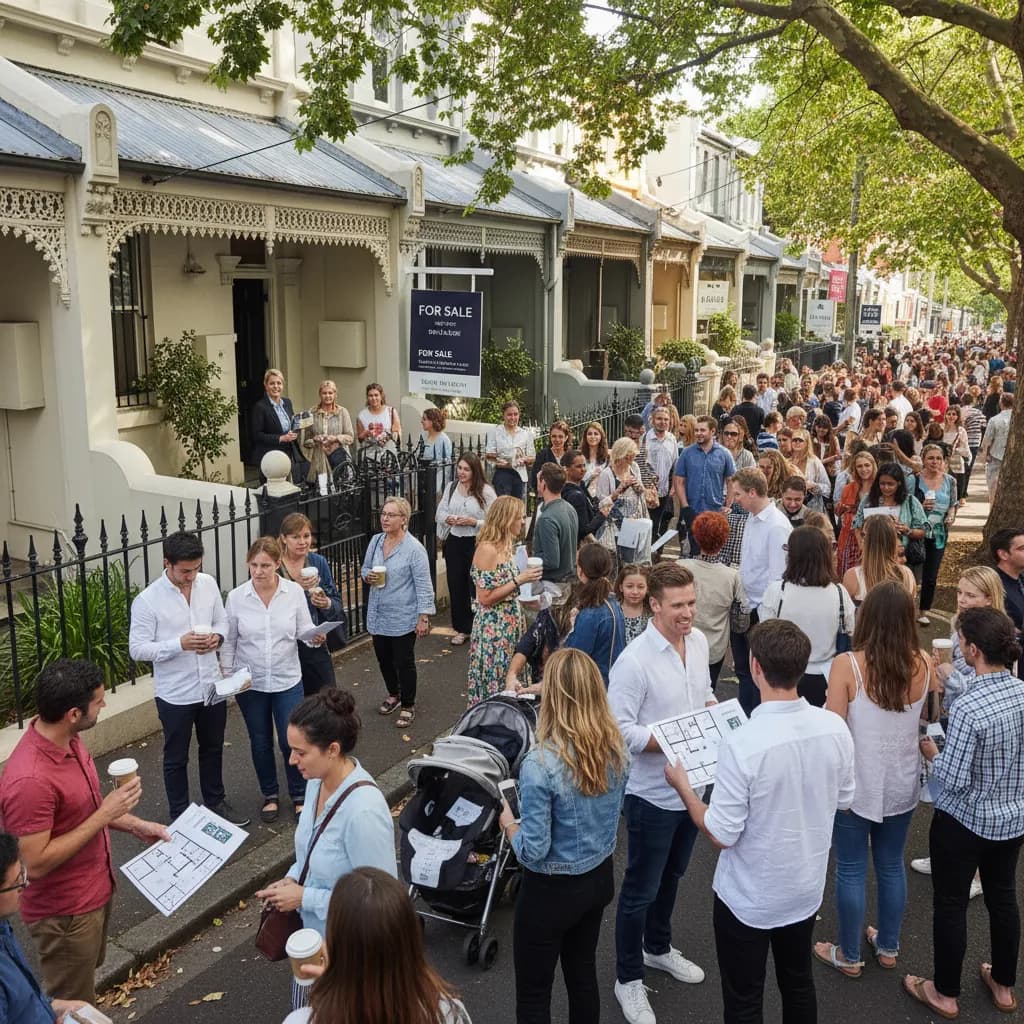
Imagine sitting at your kitchen bench in Sydney’s Inner West, your mind wandering—not about renovations or weekend plans—but about the idea of selling. It’s not a loud, flashy thought but a quiet nudge that feels oddly persistent. This blog dives into those understated signals Sydney homeowners notice before deciding it's time to put their home on the market.
The Persistent ‘What If’ Thought Loop
One of the quietest, yet most telling, home selling signals is the persistent ‘what if’ thought loop. For many Sydney homeowners—especially those in the Inner West—this subtle mental rehearsal is often the first emotional cue that it might be time to consider selling. It’s not about urgency or a sudden need to pack up and leave. Instead, it’s a gentle, recurring curiosity that quietly nudges at the edges of daily life.
Recognising the ‘What If’ Thought Loop
- Recurring Daydreams: Homeowners find themselves repeatedly imagining life in a different home or location, even if they have no immediate plans to move.
- Gentle Curiosity: These thoughts are more about exploring possibilities than making concrete decisions. It’s a soft, ongoing curiosity rather than a pressing need.
- Slow-Burning Pattern: The mental rehearsal starts slowly—perhaps just a fleeting thought while walking through the neighbourhood or scrolling through property listings. Over time, it becomes a regular pattern, quietly weaving itself into everyday routines.
- Dismissed as Fantasy: Many Sydney homeowners dismiss these thoughts as harmless daydreams, not realising they can be early signs of emotional readiness to sell.
“That quiet daydreaming about a new place can be the first real nudge,” says Sarah Jenkins, a Sydney-based real estate consultant. “It’s often the earliest sign that someone is emotionally preparing to move, even if they haven’t admitted it to themselves yet.”
Case Patterns: Sydney and the Inner West
In Sydney’s Inner West, where lifestyle aspirations often shape property decisions, the ‘what if’ thought loop is especially common. Homeowners here might find themselves imagining:
- Swapping a terrace for a beachside cottage in Coogee or Manly
- Trading up to a larger home with a garden in the suburbs
- Downsizing to a low-maintenance apartment closer to the city
- Moving to a quieter, more relaxed community outside the city bustle
For example, consider a homeowner in Newtown who, every Sunday morning, finds themselves scrolling through listings for coastal properties. They might picture lazy afternoons by the water or envision a new routine in a different suburb. While these thoughts may seem like idle fantasies, they often mark the beginning of a deeper emotional shift.
Why These Thoughts Matter: Emotional Cues in Real Estate
Home selling signals aren’t always loud or obvious. In fact, the most significant ones are often the quietest. Recurring mental rehearsals—like imagining a new home or lifestyle—are subtle, but they’re powerful indicators of readiness. These emotional cues suggest that a homeowner is open to change, even if they haven’t started making plans.
- Emotional Preparation: The act of mentally rehearsing a move helps homeowners process the idea of leaving their current space. It’s a way of testing the waters emotionally before taking any practical steps.
- Openness to Possibility: Regularly picturing life elsewhere signals a growing openness to new opportunities, whether that means a different neighbourhood, a new type of home, or a change in lifestyle.
- Subtle Confidence: As these thoughts become more frequent, homeowners often feel more confident about exploring their options. It’s a quiet but important shift from “maybe one day” to “what if now?”
FAQs: Subtle Readiness Signals and Next Steps
-
Q: Is it normal to think about moving even if I’m not unhappy?
A: Absolutely. Many Sydney homeowners experience these thoughts out of curiosity or a desire for change, not dissatisfaction. It’s a common emotional cue that you’re open to new possibilities. -
Q: How do I know if these thoughts mean I’m ready to sell?
A: If you find yourself regularly imagining life in a different home or location, it could be an early home selling signal. Pay attention to how often these thoughts occur and whether they’re becoming a pattern. -
Q: What should I do if I notice this thought loop?
A: Start by acknowledging the thoughts without pressure. You might find it helpful to talk with a real estate professional or explore your options online. There’s no need to rush—just recognising the pattern is an important first step. -
Q: Are these feelings common in the Inner West?
A: Yes, especially in areas where lifestyle changes are a big motivator. Many Inner West homeowners experience these subtle emotional cues before making any decisions about selling.
Recognising and Validating Your Experience
It’s important to validate these recurring thoughts, rather than dismissing them as mere fantasies. For many Sydney homeowners, the persistent ‘what if’ thought loop is a gentle, early sign of readiness to sell. By recognising this subtle emotional cue, you’re taking the first step towards understanding your true feelings about your home and what the future might hold.
Changes in Daily Routine Hinting at Lifestyle Shifts
For many Sydney homeowners, the strongest signals that it’s time to consider selling your house aren’t always loud or obvious. Instead, they often show up in the small, everyday choices that gradually reshape your relationship with your home. These subtle shifts are especially common in the Inner West, where evolving family needs and changing neighbourhood vibes frequently prompt people to re-evaluate their living situation. Recognising these quiet signs can help you feel more confident about your readiness to move on. Here are some of the most telling daily routine changes that hint at an underlying lifestyle shift.
-
1. Noticing a Growing Disconnect Between the Home’s Layout and Daily Needs
One of the first signs that it might be time to sell is a creeping sense that your home’s layout no longer fits your life. Maybe the open-plan kitchen that once felt perfect now seems chaotic with teenagers coming and going. Or perhaps the lack of a dedicated workspace has become a daily frustration as remote work becomes the norm. This disconnect is a common experience in Sydney’s Inner West, where older homes often struggle to keep up with modern family dynamics. If you find yourself constantly wishing for an extra room, a quieter nook, or just a different flow, your home may no longer be serving your needs.
-
2. Feeling Cramped, Even If the Space Objectively Fits the Family
It’s not unusual to feel boxed in, even when your home technically has enough bedrooms and living areas. This sensation often creeps up as families grow or routines change. For example, a couple who once loved their compact terrace in Newtown might suddenly feel like the walls are closing in once a new baby arrives or a parent starts working from home. This feeling isn’t always about square metres—it’s about how the space supports your current lifestyle. When the home that once felt spacious now feels restrictive, it’s a practical sign that a move could be on the horizon.
-
3. Prioritising Other Activities Over Home Improvement or Decorating
Another quiet signal is a shift in how you spend your time and energy. If you used to enjoy painting walls, tending the garden, or rearranging furniture, but now find yourself uninterested or even resentful of these tasks, it’s worth paying attention. This change often reflects a deeper emotional detachment from the home. As one Inner West family shared, “We stopped gardening because it just didn’t bring us joy anymore. Our weekends were better spent exploring the city or visiting friends.” When your focus moves away from perfecting your current space, it may be a sign you’re ready for something new.
-
4. Shifting Focus from Perfecting the Home to Exploring New Spaces
Have you noticed yourself browsing real estate listings, daydreaming about different suburbs, or planning outings to open homes? This subtle shift in attention—from improving your current home to imagining life elsewhere—is a classic indicator of home selling readiness. In Sydney’s Inner West, where lifestyle and community are major drawcards, it’s common for residents to start exploring new neighbourhoods that better align with their evolving needs. This curiosity isn’t just idle fantasy; it’s often the first step in the practical process of moving on.
-
5. Lifestyle Change as a Practical Signal That Selling Might Be Timely
Major life events—like a new job, a growing family, or even a shift in daily routines—can prompt a reassessment of what you need from your home. These changes are not just emotional; they’re practical signals that your current space may no longer be the best fit. As demographics evolve and lifestyles shift, especially in dynamic areas like Sydney’s Inner West, many homeowners find themselves naturally outgrowing their homes. Real estate advisor Mark Harris sums it up:
“When clients lose that spark for their current home, it’s often time to explore selling options.”
If you’re noticing a lack of enthusiasm for your space, or if your routines are consistently disrupted by the home’s limitations, it may be time to consider your next move.
FAQs: Subtle Readiness Signals and Next Steps
-
How do I know if my daily routine changes are a sign I should sell?
If you’re consistently feeling disconnected from your home, prioritising time away from it, or losing interest in maintaining it, these are strong indicators that your lifestyle has shifted. These feelings are common among Sydney and Inner West homeowners as their needs evolve.
-
Is emotional detachment from my home normal before selling?
Absolutely. Many people experience a gradual emotional detachment as their lifestyle changes. This is a practical sign of readiness, not just an emotional one, and often means you’re preparing yourself for the next chapter.
-
What’s the next step if I recognise these signs?
Start by having an honest conversation with your family about your needs and future plans. Research Inner West real estate tips and consult with a local agent to understand your options. Exploring the market doesn’t commit you to selling, but it does help you make informed decisions.
Recognising these subtle changes in your daily routine can be the nudge you need to explore selling your house in Sydney. Trust that these quiet signals are valid and often mark the beginning of an exciting new chapter.

Neighbourhood Dynamics and Shifting Amenities
When considering whether it’s time to sell your home in Sydney, the strongest signals aren’t always loud or obvious. For many homeowners, especially in the Inner West, it’s the subtle shifts in neighbourhood dynamics and local amenities that quietly nudge them towards making a move. These changes often unfold gradually, but their impact on daily satisfaction and long-term plans can be profound. Let’s explore the quiet selling signs that arise from evolving neighbourhoods, and how they might be influencing your own readiness to sell.
1. Noticing New Developments That Change the Character of the Neighbourhood
One of the first quiet signs is the emergence of new developments—think apartment blocks, commercial complexes, or major infrastructure upgrades. While development can bring vibrancy, it can also alter the unique character that drew you to the area in the first place. In Sydney’s Inner West, there’s been a 20% increase in development projects over the past five years, reshaping streetscapes and community feel.
- Are you finding the skyline more crowded, or the streets busier than before?
- Do you catch yourself reminiscing about how peaceful or quirky your neighbourhood once felt?
These recurring thoughts are gentle cues that your emotional connection to the area may be shifting—a classic quiet selling sign.
2. Emerging Amenities or Loss of Favourite Local Spots
Another subtle but powerful signal is the change in local amenities. Sometimes, new cafes, gyms, or specialty grocers pop up, attracting a different crowd and changing the neighbourhood’s rhythm. Other times, it’s the loss of beloved spots—a family-run bakery, a cherished bookshop, or a community garden—that triggers a reassessment of your home’s value and your satisfaction with the area.
- Have you noticed a favourite café closing its doors, leaving a gap in your daily routine?
- Are you excited or indifferent about the new businesses opening nearby?
For many Inner West residents, the closure of a local café or the transformation of a park into a carpark has prompted honest reflection: “Is this still the community I want to call home?”
3. Changes in Safety, Traffic, or Demographic Makeup
Shifts in safety, traffic patterns, or the demographic makeup of your neighbourhood can also influence your mindset about staying put. Increased traffic congestion, new parking restrictions, or a rise in noise levels can quietly erode your enjoyment of the area. Similarly, if the neighbourhood’s demographic is changing—perhaps becoming younger, older, or more transient—it can affect your sense of belonging.
- Are you feeling less comfortable walking the streets at night?
- Is the morning school run taking longer due to new traffic bottlenecks?
- Do you find yourself missing the familiar faces that once defined your street?
These are all subtle but significant signals that your home may no longer be the perfect fit for your lifestyle or long-term goals.
4. Quiet Observations Prompting Reassessment of Long-Term Fit
It’s often the quiet, recurring thoughts that prompt homeowners to consider selling. You might find yourself wondering if your home still aligns with your future plans, or if the neighbourhood’s evolution has outpaced your needs. These thoughts can be sparked by something as simple as a new high-rise blocking your morning sun, or as complex as a shift in the community’s values and priorities.
“Community changes often silently push people towards selling their properties,” explains urban planner Emily Wong.
Recognising these emotional cues is key. They’re not always urgent or dramatic, but they’re persistent—and they matter.
5. Understanding Shifts to Optimise Your Sale Timing
Staying attuned to neighbourhood dynamics can help you time your sale for maximum benefit. If you’re noticing more development, changing amenities, or a shift in the local vibe, you’re not alone. Many Sydney homeowners find these external factors are the quiet but powerful signals that it’s time to reassess their place in the community and the market.
In the Inner West, where change is constant, understanding these shifts is a valuable Inner West real estate tip. It allows you to act before the market becomes saturated with similar properties, or before changes negatively impact your home’s value.
FAQs: Subtle Readiness Signals and Next Steps
- Q: How do I know if neighbourhood changes are a sign to sell?
A: If you find yourself repeatedly bothered by new developments, loss of favourite spots, or changes in safety and traffic, these are quiet selling signs. Trust your instincts—they’re often the first indicator it’s time to explore your options. - Q: What should I do if I notice these signals?
A: Start by tracking your feelings and observations over a few months. If dissatisfaction grows, consult a local real estate expert for a market appraisal and advice tailored to your area. - Q: Can these changes affect my home’s value?
A: Absolutely. Both positive and negative neighbourhood shifts can impact property values. Staying informed helps you make proactive decisions about when to sell your home in Sydney.
Neighbourhood dynamics and shifting amenities are often the quietest, yet most telling, signs that it might be time to consider your next move. By tuning in to these subtle changes, Sydney homeowners can make confident, well-timed decisions about their property journey.
Sudden Interest in Market Trends and Property Values
One of the quietest yet most telling signs of home selling readiness is a newfound curiosity about the property market. For many Sydney and Inner West homeowners, this interest doesn’t begin with a grand declaration to sell. Instead, it starts with subtle shifts in daily habits and conversations—often before they even realise they’re considering a move. Let’s explore the recurring thoughts and emotional cues that signal this pragmatic readiness to sell your home in Sydney.
-
Casually Checking Property Prices and Market News
It often begins innocently enough. A homeowner finds themselves scrolling through real estate websites, checking recent sales in their suburb, or reading articles about the Sydney property market. What starts as a casual glance can quickly become a regular habit. This is especially true in areas like the Inner West, where market volatility and rapid price changes are common topics of conversation. The latest figures show Sydney property prices rose 5% in the last quarter, sparking even more curiosity among homeowners.
-
Increasing Conversations with Agents and Neighbours
Another quiet signal is the frequency of conversations about selling prospects. Homeowners might start chatting with local real estate agents—not necessarily to list their home, but to “just see what’s out there.” They may also compare notes with neighbours who have recently sold or are thinking about selling. These discussions are rarely about immediate action; instead, they’re a way to gather information and gauge the mood of the market. In Sydney’s dynamic real estate scene, these chats are a pragmatic step towards aligning emotional readiness with practical knowledge.
-
Attending Open Houses Without Immediate Plans
It’s not uncommon for homeowners to pop into an open house “just out of curiosity.” Perhaps they want to see how their home compares or get a sense of what buyers are looking for. This behaviour is a subtle sign of home selling readiness. Even if there’s no intention to move right away, attending open homes provides valuable insights into the competition and current trends. In the Inner West, where unique properties and competitive auctions are the norm, this curiosity can be the first step towards a more concrete selling plan.
-
Growing Awareness of Market Peaks and Dips
Many Sydney homeowners become more attuned to the timing of the market. They start noticing when prices are peaking or dipping, and may even time their own plans accordingly. This awareness is not driven by impulse but by a strategic mindset. As economist Liam Chen notes:
“When homeowners start tracking the market, it’s often more than casual interest.”
This financial curiosity is a cognitive signal—a sign that the homeowner is preparing for a possible sale, even if they haven’t made a final decision. It’s a way of ensuring that when the time comes, they’re ready to act confidently and with all the facts.
-
Financial Curiosity Fuels Subtle Readiness
Unlike emotional cues such as feeling restless or outgrowing a space, this kind of curiosity is pragmatic. It’s about understanding the numbers, the timing, and the broader economic context. Sydney’s market can be unpredictable, and homeowners who keep a close eye on trends are often the ones best positioned to make informed decisions. This financial awareness is a quiet but powerful sign of preparation to sell—often long before any “For Sale” sign goes up.
Case Patterns from Sydney and the Inner West
In Sydney’s Inner West, it’s common for homeowners to begin their selling journey months—or even years—before making a move. They might start by tracking auction results in their street, noticing which homes sell quickly, or discussing market conditions at local cafes. Over time, these small actions add up, building both confidence and knowledge. By the time they’re ready to engage an agent, they already have a strong sense of what their property is worth and when might be the best time to sell.
FAQs: Subtle Readiness Signals and Next Steps
-
Is it normal to check property prices even if I’m not planning to sell?
Absolutely. Many Sydney homeowners keep an eye on the market out of curiosity. If you find yourself doing it more often, it could be a sign you’re subconsciously preparing for a future sale.
-
How do I know if my interest in the market means I’m ready to sell?
If you’re tracking trends, comparing your home to others, and having more conversations about selling, these are all quiet signs of home selling readiness. It’s a pragmatic approach that helps you make confident decisions when the time is right.
-
What should I do if I notice these signals in myself?
Consider reaching out to a local real estate agent for a no-obligation chat. They can provide a current market appraisal and answer any questions about timing and strategy. You might also want to start gathering information on recent sales in your area to build a clearer picture of your options.
-
Does Sydney’s market volatility make now a good time to sell?
Sydney’s property market is known for its ups and downs. Staying informed about trends and timing your sale to market peaks can help maximise your return. If you’re already monitoring the market, you’re ahead of the curve in making a smart, informed decision.
Increased focus on market trends is a key indicator of readiness among Sydney homeowners. This cognitive, pragmatic signal often marks the beginning of the home selling journey—quietly, but confidently.
The Reluctant Goodbye: Emotional Nuances of Selling
For many Sydney homeowners, the decision to sell isn’t just about numbers or market trends—it’s deeply personal. The strongest home selling signals are often subtle, surfacing as quiet emotional cues long before the “For Sale” sign goes up. In the Inner West and across Sydney, these feelings can be as telling as any financial indicator, gently nudging owners towards a new chapter.
It’s common to feel a bittersweet tug when considering leaving the family home. The walls hold laughter, the garden has seen countless barbecues, and every room carries echoes of milestones. Even when practical reasons—like upsizing, downsizing, or relocating—make perfect sense, the heart can lag behind the head. This emotional complexity is a natural part of the process, and recognising it is often the first quiet sign that it might be time to move on.
Take the story of a Petersham homeowner who, after months of indecision, found herself writing a farewell note to her beloved garden. She tucked it among the jasmine vines, a small ritual that marked her acceptance of change. This act wasn’t just about saying goodbye; it was a gentle acknowledgement that she was ready to let go. Such moments—packing away children’s artwork, taking one last stroll through the neighbourhood, or simply sitting in a favourite sunlit corner—are powerful real estate emotional cues that signal readiness to sell.
These feelings of nostalgia are not obstacles to be overcome, but rather, important indicators that you’re emotionally preparing for the next step. As counsellor Tara McMillan reflects,
"Acknowledging the emotional layers helps clients accept that selling is a next chapter."
In Sydney’s close-knit communities, especially in the Inner West, homes are more than just properties—they’re repositories of family history. The decision to sell is rarely made lightly. Many homeowners report a mix of excitement and sadness, a sense of loss mingled with anticipation for what’s ahead. This emotional acceptance is a quiet, yet powerful, indicator that it’s time to consider selling your house in Sydney.
Support from friends, family, or even a trusted real estate professional can make a significant difference. Sometimes, just voicing your feelings or hearing that others have faced similar crossroads can ease the emotional hurdles. Real estate agents in Sydney are increasingly attuned to these nuances, offering not just market advice but also empathy and understanding throughout the process.
It’s important to remember that emotions are not a sign of weakness or indecision. Instead, they are a natural part of the home selling journey. When you find yourself reminiscing about the past but also imagining new possibilities, you’re experiencing one of the most reliable home selling signals there is. This blend of nostalgia and hope is a quiet confirmation that you’re ready to move forward.
For those feeling the weight of a reluctant goodbye, know that you’re not alone. Many Sydney homeowners have walked this path, balancing the pull of memories with the promise of new beginnings. Recognising and honouring these feelings can actually help you make a more confident, informed decision about when to sell.
FAQs: Navigating Emotional Readiness to Sell
How do I know if my feelings are a sign I’m ready to sell?
If you’re finding yourself reflecting on memories, feeling both sadness and excitement, or even performing small rituals of farewell, these are strong real estate emotional cues. Emotional acceptance—when you can acknowledge both the loss and the opportunity—often means you’re quietly ready to move on.
Is it normal to feel guilty or sad about selling my family home?
Absolutely. Many Sydney homeowners feel a sense of guilt or sadness, especially when the home holds years of family memories. These feelings are not only normal but also a healthy part of the transition. Talking with friends, family, or a professional can help you process these emotions.
What if my practical reasons to sell don’t match my emotional readiness?
It’s common to feel torn between practical needs and emotional attachments. Give yourself time to process both sides. Sometimes, discussing your situation with a real estate agent or counsellor can help you find clarity and balance.
How can I make the transition easier?
Acknowledge your feelings, create small rituals of farewell, and seek support. Remember, emotions are not obstacles—they’re signals confirming your readiness to move on. Embracing both the nostalgia and the excitement for what’s next can make the process smoother.
In the end, selling your house in Sydney is as much an emotional journey as it is a financial one. By recognising the quiet signs—those subtle emotional shifts and moments of acceptance—you can move forward with confidence, knowing you’re truly ready for the next chapter. The reluctant goodbye, with all its complexity, is not just an ending, but the beginning of something new.