
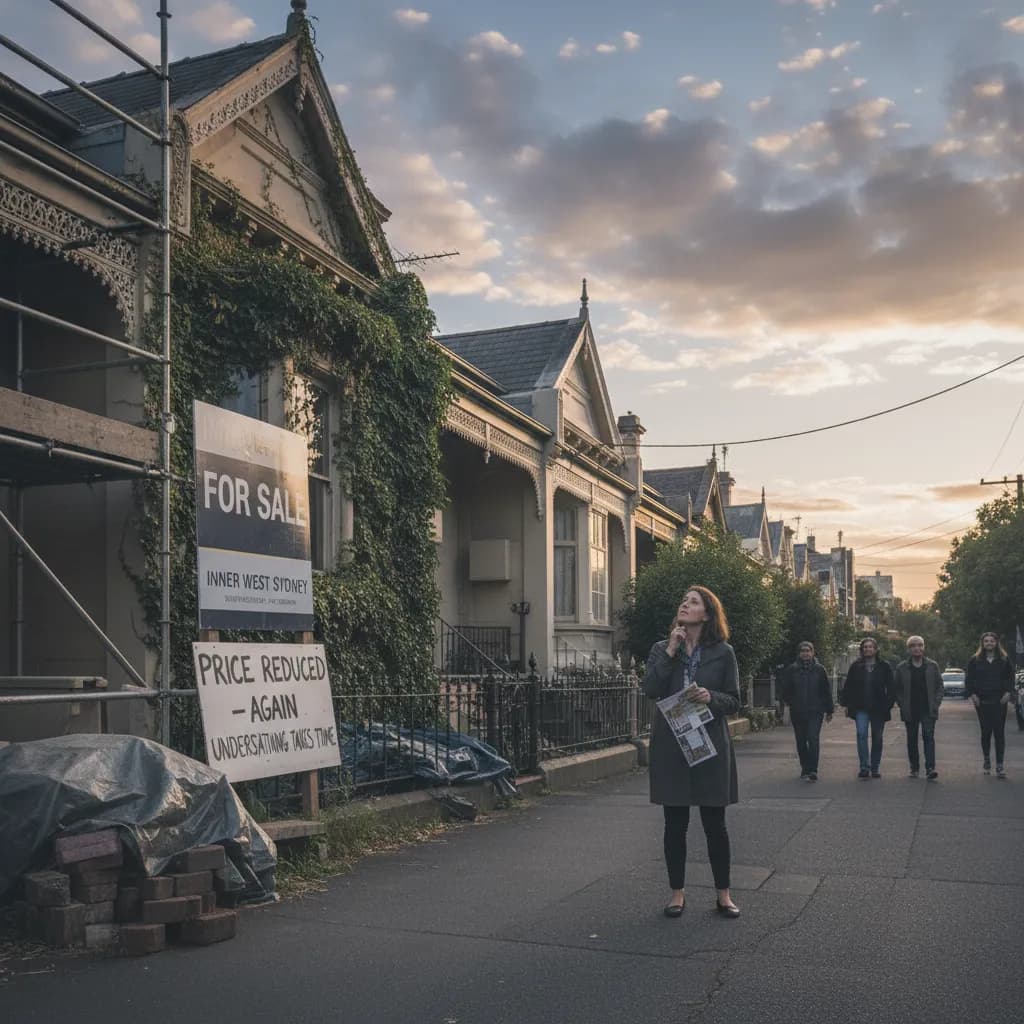
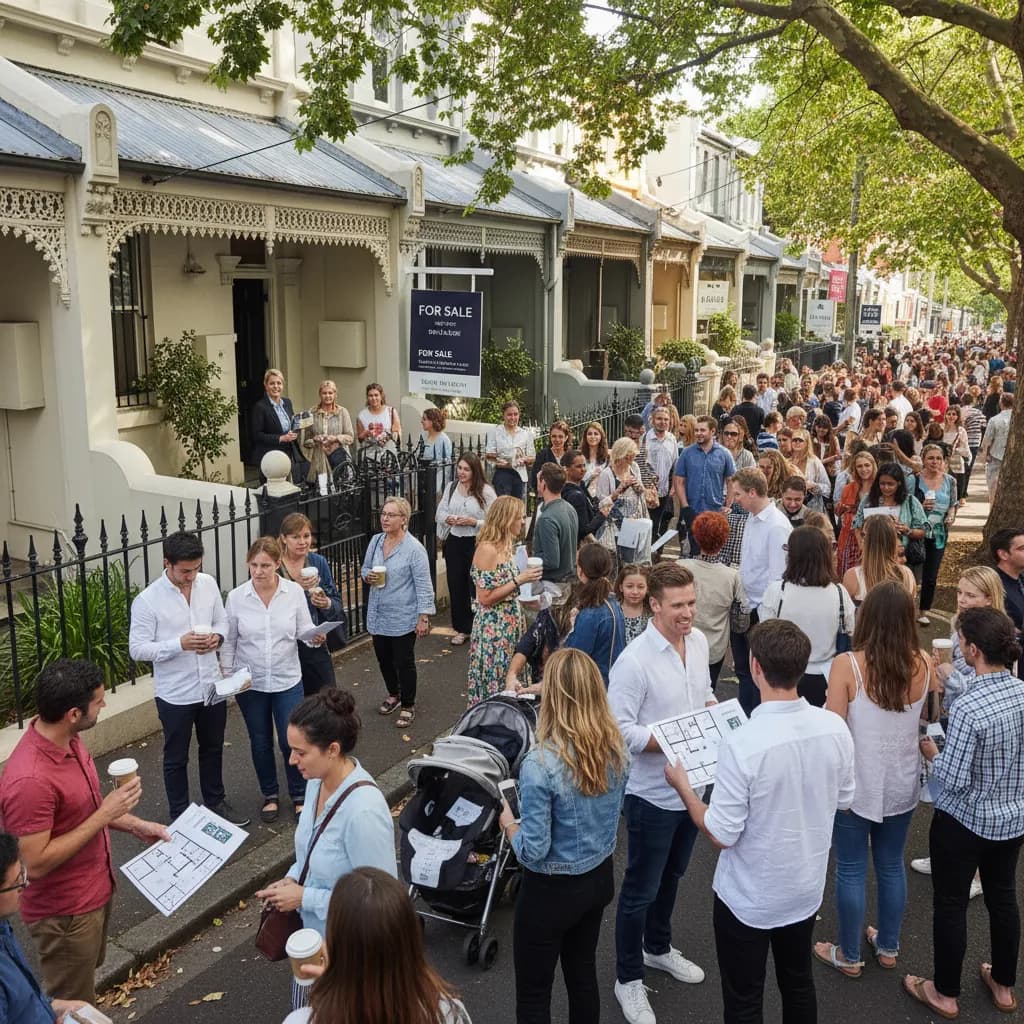
Imagine standing on a bustling Balmain street, watching buyers inspect homes and chatting with local agents who know the subtle art of reading not just numbers but the stories behind them. Market figures alone can boggle anyone, but adding local insights turns confusion into confidence. This article journeys through the nuances of Balmain’s property market noise, helping sellers sift meaningful signals from generic noise, so their decisions feel grounded and clear.
Why Context Matters More Than Raw Data in Balmain
In Balmain, property market context is everything. While raw data—like suburb medians and clearance rates—can offer a snapshot, it’s the local nuances that truly shape a seller’s experience. As Liz Cloran puts it, “Understanding how buyers behave locally shapes realistic decisions.” Sellers who focus solely on generic statistics often find themselves overwhelmed, anxious, or even misled. Instead, grounding yourself in the micro-market data unique to Balmain brings clarity and calm to the selling process.
Beyond the Numbers: The Power of Local Buyer Behaviour
Balmain’s charm lies in its patchwork of streets, each with its own personality. Buyers here don’t just chase numbers—they’re drawn to the feel of a street, the way afternoon light filters through a terrace window, or the ease of finding a parking spot after work. These details rarely show up in suburb-wide stats, but they’re often the deciding factors in a sale.
- Parking: In Balmain, on-street parking can add significant appeal. A home with secure parking on a narrow street often attracts more interest than one without, even if the latter is technically larger or newer.
- Natural Light: Properties with bright, airy spaces consistently see stronger buyer engagement. Open homes that “feel good” tend to have more repeat visitors and positive feedback.
- Street Feel: Some streets are known for their quiet, leafy ambience, while others buzz with local cafés and community events. The vibe can influence buyer profiles and price expectations.
- Condition and Updates: In Balmain, a well-renovated home might command a premium, but original features can also be a drawcard for certain buyers seeking character and potential.
Micro-Market Data: What Matters (and What Doesn’t)
It’s tempting to rely on suburb medians or city-wide headlines, but these can distort reality in a tightly held enclave like Balmain. Instead, sellers benefit from:
- Comparable Sales on Similar Streets: Look at recent sales on your street or those with similar parking, aspect, and updates.
- Quality of Buyer Engagement: Note not just the number of attendees at open homes, but the depth of their questions and the frequency of repeat visits.
- Feedback Themes: Consistent comments about light, layout, or parking reveal what matters most to today’s buyers.
Meanwhile, suburb-wide medians and auction clearance rates can be misleading without context. For example, a spike in Balmain’s median price might reflect a handful of high-end sales, not a universal trend.
Community Vibe and Buyer Segments
Balmain’s strong sense of community and village atmosphere often attracts buyers seeking more than just a house—they want a lifestyle. This means that shifts in buyer segments (young families, downsizers, professionals) can influence demand in ways that raw data can’t predict.
Staying Calm: NSW Selling Basics and Professional Advice
Understanding the difference between auction and private treaty sales is crucial. Auction campaigns can inflate headline prices, while private treaty offers may reflect more measured buyer sentiment. Seeking professional advice helps filter the noise and keeps expectations realistic—reducing unnecessary pressure throughout the process.
Balmain Data Filter Checklist
- Is this data specific to my street or home type?
- Does it reflect current buyer feedback and engagement?
- Have I considered unique features like parking, light, and updates?
- Am I factoring in the local community vibe?
- Have I sought tailored advice from a Balmain property expert?
Key Balmain Market Metrics That Truly Matter
Market data is everywhere, but in Balmain, context is everything. Sellers and buyers alike often get swept up in suburb-wide headlines—yet the real story is written in the details. Understanding which metrics matter most in Balmain NSW 2041 can help you make calm, confident decisions, free from the pressure of broad averages.
Why Micro-Market Data Beats Suburb Medians
Balmain’s charm lies in its patchwork of streets, each with its own character. Comparing a heritage terrace on a leafy cul-de-sac to a modern apartment on a main road won’t give you clarity. Instead, focus on:
- Comparable streets: Look at recent sales on your street or immediate surrounds. Street feel, parking availability, and sunlight can shift prices dramatically.
- Property style and condition: Updated homes with modern finishes command higher prices than original-condition properties, even within the same postcode.
Buyer Engagement: The Hidden Pulse of the Market
Numbers alone don’t tell you how buyers are behaving. In Balmain, tracking buyer engagement quality is a powerful indicator:
- Repeat attendance: Multiple visits from the same buyers suggest genuine interest and confidence in the property.
- Feedback themes: Are buyers consistently mentioning parking, natural light, or renovation potential? These comments reveal what’s driving demand right now.
Granular feedback often predicts market movements better than suburb-wide stats.
Days on Market Balmain: What’s Typical?
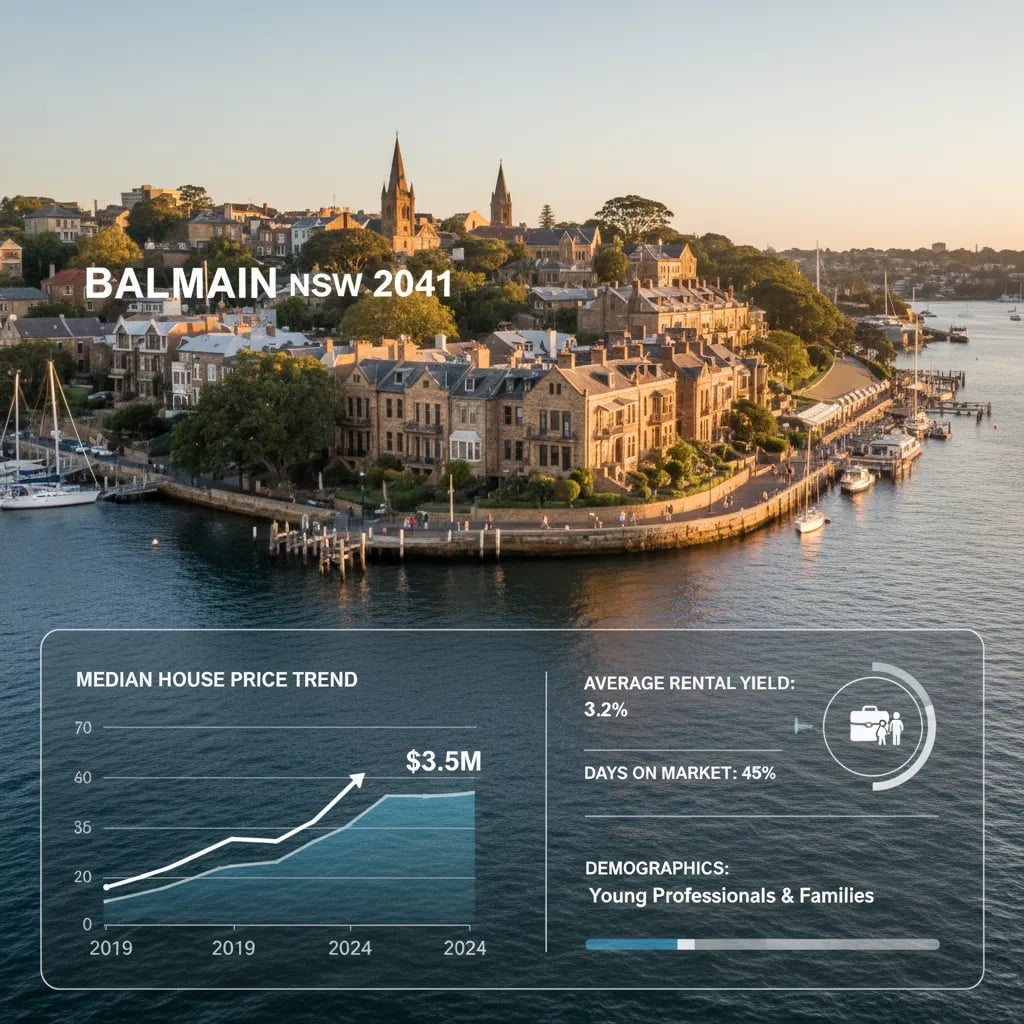
Patience is a virtue in Balmain. On average, houses spend around 50 days on the market, while units average closer to 60 days. This reflects the area’s thoughtful buyer pool—people take their time, and that’s normal.
Median Price Balmain: Houses vs Units
| Property Type | Median Price | 2025 Sales |
|---|---|---|
| Houses | $2.75M – $2.97M | 124 |
| Units | $1.4M – $1.525M | 83 |
Recent capital growth Balmain has been robust: houses have risen between 3.4% and 13.27%, while units have surged 4.45% to 17.8%. These figures highlight the importance of tracking trends by property type.
Rental Yield Balmain & Investor Insights
Rental yield is another key metric, especially for investors. Houses are yielding around 2.16%, while units offer a stronger 3.25%. Median rents sit at $925 per week for houses and $800 for units, with steady growth reflecting ongoing demand.
Contextual Factors: What Shapes Value in Balmain?
- Parking: Off-street parking can add significant value.
- Natural light: Bright, airy homes attract premium buyers.
- Street feel: Quiet, tree-lined streets often outperform busier roads.
- Updates vs original: Renovated properties tend to sell faster and for more.
- Buyer segment shifts: Watch for changes in who’s buying—families, downsizers, or investors.
NSW Selling Basics: Auction vs Private Treaty
Interpreting days on market and price trends depends on your sale method. Auctions can drive faster results in hot pockets, while private treaty may suit unique or high-value homes. Always seek professional advice to match your strategy to current conditions.
Balmain Data Filter Checklist
- Compare like-for-like properties on similar streets
- Track buyer engagement and feedback, not just numbers
- Note days on market for your property type
- Check recent median price and capital growth for houses or units
- Consider rental yield and rent trends if investing
- Factor in local context: parking, light, street, and condition
FAQs
- Is the median price Balmain a reliable guide? Only when filtered by property type and street context.
- What’s a good days on market Balmain? 50 days for houses, 60 for units is typical—don’t panic if your sale takes time.
- How important is buyer feedback? Extremely—quality feedback signals true market sentiment.
- Should I focus on capital growth Balmain or rental yield Balmain? It depends on your goals; both are strong but suit different strategies.
What Can Mislead: Beware Generic Suburb Stats and Headlines
When it comes to understanding the property market Balmain, relying on generic suburb stats and city-wide headlines can easily send sellers down the wrong path. While market data is useful, it’s the local context that transforms numbers into meaningful insights. Without this, sellers risk spiralling into confusion, mispricing, and unnecessary pressure.
Suburb Median Prices: The Hidden Variance
One of the most common traps is taking the suburb median price at face value. On paper, Balmain’s median might suggest a certain property value, but this figure hides the true diversity of the area. Balmain is a suburb of contrasts—one street may be lined with heritage terraces, while the next features sleek, modern townhouses. Factors like parking availability, natural light, street appeal, and whether a home is updated or in original condition can swing prices dramatically, even within a few blocks.
For example, a home with off-street parking on a quiet, leafy street can command a premium compared to a similar-sized property on a busier road with limited parking. Sellers who price solely off the suburb median risk missing out on the unique value their property offers—or, conversely, overestimating its appeal.
City-Wide Headlines: Missing the Micro-Market
Headlines about “Sydney property market booms” or “Inner West slowdowns” rarely reflect what’s happening on the ground in Balmain. These broad statements overlook micro-market shifts—like a sudden uptick in downsizer demand for single-level homes, or a family-driven rush for properties near local schools. Ignoring these shifts can lead to strategies that don’t fit the current buyer pool.
Data Without Context: The Spiral of Confusion
Without context, data can overwhelm and mislead. Sellers who focus on averages and headlines often feel pressured to set unrealistic prices or rush decisions. As Liz Cloran puts it:
‘Because informed decisions tend to feel calmer and more controlled.’
Grounding expectations in local buyer behaviour—like the quality of engagement at open homes, repeat attendance, and common feedback themes—provides a steadier foundation for decision-making.
Inflated Expectations: A Real-World Example
Consider a seller who sees Balmain’s median price rising and expects a windfall, only to find their unrenovated cottage attracts mainly first-home buyers on tighter budgets. Without filtering the ‘noise’ of suburb-wide stats, they risk disappointment and wasted time on the market.
Buyer Segments: Why Demographics Matter
Balmain’s suburb profile is always evolving. A shift from family buyers to downsizers, or vice versa, changes what features are in demand. Overlooking these trends can mean missing the mark with marketing and pricing.
Data Filter Checklist for Sellers
- Compare recent sales on similar streets, not just suburb-wide.
- Note buyer demographics and feedback at open homes.
- Watch for repeat attendees and their questions.
- Adjust for unique features: parking, light, renovations, street feel.
- Be wary of headlines—ask your agent for micro-market insights.
Filtering out the noise and focusing on what truly matters in the Balmain market steadies conversations and reduces unnecessary pressure—helping sellers make calm, confident decisions.
Balmain Specific Nuances: From Parking to Street Feel
When it comes to understanding the Balmain suburb property market, numbers alone rarely tell the full story. While suburb-wide medians and city-wide headlines grab attention, it’s the micro-details—those everyday realities buyers experience—that truly shape outcomes. In Balmain, context is everything. Here’s how local nuances, from parking to street feel, influence buyer engagement and sale results far more than generic data ever could.
Parking: The Quiet Game-Changer
Parking is one of Balmain’s most underestimated features. Many heritage terraces and charming cottages lack off-street parking, making available spots a premium. While suburb data might gloss over this, buyers absolutely notice. For families or professionals, the promise of a secure park can tip the scales—sometimes adding tens of thousands in perceived value. Sellers who highlight parking solutions, even creative ones, often see stronger buyer engagement and less haggling at negotiation.
Natural Light and Street Character: Emotional Anchors
Light-filled rooms and leafy, character-rich streets are emotional magnets for Balmain buyers. These features rarely show up in spreadsheets, but they’re mentioned in nearly every open home conversation. A north-facing courtyard or a home on a wide, tree-lined street can spark instant connection. One local seller, for example, doubled their open home attendance simply by showcasing their street’s village vibe and morning sun—proof that emotional and functional traits matter deeply in this micro-market.
Renovated vs Original: Segmenting the Buyer Pool
Balmain’s property market context is shaped by its mix of renovated homes and untouched originals. Renovated properties attract buyers seeking move-in ease and modern finishes, often young professionals or downsizers. Original-condition homes, however, draw renovators and investors looking to add value. Knowing which segment your property appeals to—and tailoring your marketing—can make all the difference. Broad suburb stats won’t reveal these nuances, but local feedback and repeat attendance patterns will.
Demographic Shifts: Changing Demand Patterns
Balmain’s buyer demographics are always evolving. Young families, creative professionals, and downsizers each bring different priorities, from school zones to walkability. These shifts influence what features are in demand and can change quickly—sometimes within a single street. Sellers who stay attuned to these patterns, often through agent feedback and open home conversations, are better placed to set realistic expectations and pricing.
What Matters More Than Median Prices?
- Comparable street sales—not just suburb averages
- Quality of buyer engagement—genuine interest, not just numbers
- Repeat attendance and feedback themes—what buyers love or hesitate over
- Intangible features—parking, light, street charm, and renovation potential
“We almost missed out on our best buyer until we highlighted the leafy street and morning light in our campaign. It made all the difference.” — Local Balmain Seller
In Balmain, it’s the context—those subtle, lived-in details—that grounds conversations and steadies decisions. Sellers who embrace these nuances find the process calmer, more controlled, and ultimately more successful.

Auction vs Private Treaty: NSW Selling Basics to Keep in Mind
When it comes to selling property in Balmain, understanding the difference between auction and private treaty is more than just a legal technicality—it’s a lens that shapes how you interpret local NSW property market data and set your expectations. The method you choose doesn’t just affect your selling experience; it also colours the meaning behind the numbers you see in suburb reports and headlines.
How Auction Results Skew Market Data
Auctions are a hallmark of the Sydney and Inner West property scene, and Balmain is no exception. Auction clearance rates—often quoted in market updates—can make the market appear hotter than it really is. Why? Because auctions naturally attract competitive bidding, especially for homes with broad appeal or unique features. This can push sale prices above expectations, creating a ripple effect in reported data. If you’re only looking at auction results, you might assume every home is selling above reserve, when in reality, some properties are passed in or negotiated afterwards.
“Auction results reflect buyer urgency and competition, not just property value. Context—like street appeal, parking, and recent renovations—matters more than the headline figure.”
Private Treaty: Gradual Pricing Signals
Private treaty sales, on the other hand, offer a slower, more measured insight into the NSW property market. These sales often involve negotiation, conditional offers, and cooling-off periods. The final sale price is less likely to be inflated by bidding wars, giving a steadier sense of what buyers are willing to pay. In Balmain, where buyer preferences can shift quickly—think parking, natural light, or the feel of a particular street—private treaty outcomes can reveal subtle trends that auctions might miss.
Setting Realistic Expectations
Understanding these selling methods helps ground your expectations. Auction campaigns are intense and time-bound, often lasting three to four weeks, with a sharp focus on marketing and open homes. Private treaty sales can take longer, but allow for more flexibility in negotiations and timing. Both have legal and procedural nuances—like cooling-off periods, deposit requirements, and contract conditions—that impact your timeline and the type of buyers you attract.
Why Professional Advice Matters
Interpreting auction clearance rates or private treaty sales data without expert context can lead to confusion or misplaced pressure. A local agent can explain why a neighbouring home sold above reserve (perhaps due to a unique view or recent updates) or why another lingered on the market (maybe it lacked parking or needed renovation). Professional advice helps you filter the noise, focus on relevant metrics, and feel more in control of your decisions.
Recent NSW Trends and Balmain Sellers
In 2024, Balmain has seen a mix of strong auction results for renovated terraces and steady private treaty sales for homes needing updates. Buyer segments are shifting, with more young families prioritising space and parking. Understanding how these trends play out in your street—not just the suburb median—will help you choose the right selling method and interpret market data with clarity.
- Auctions: Fast, competitive, can inflate price data
- Private Treaty: Gradual, negotiable, reveals true buyer sentiment
- Professional Guidance: Essential for reading data in context and reducing stress
A Practical Data Filter Checklist for Balmain Sellers
In the ever-shifting property market Balmain, numbers alone rarely tell the full story. Sellers can easily feel overwhelmed by suburb-wide stats, city headlines, and endless market trends. But as Liz Cloran says,
'Selling with clarity starts by filtering the noise to what truly matters.'
Filtering data with local context is the antidote to spiralling uncertainty. Here’s a practical, easy-to-follow checklist to help Balmain sellers ground their decisions and conversations in what’s genuinely relevant.
-
Check Comparable Streets, Not Just Suburb-Wide Averages
- Balmain’s micro-markets are shaped by street appeal, proximity to the water, and even which side of Darling Street you’re on.
- Compare your property to recent sales on similar streets—think about parking, street width, and local amenities.
- Suburb medians can mislead; a tightly held cul-de-sac may behave very differently from a busy thoroughfare.
-
Evaluate Buyer Interest Quality: Attendance and Feedback Consistency
- Don’t just count open home numbers. Notice how many buyers return for second inspections or ask detailed questions.
- Look for recurring feedback themes: Is parking a sticking point? Are buyers drawn to original features or modern updates?
- Quality engagement often signals genuine demand, even if overall attendance is modest.
-
Interpret Days on Market in the Context of Property Type
- A freestanding home with harbour views may take longer to sell than a two-bedroom terrace, simply due to its price bracket and buyer pool.
- Compare days on market with similar properties, not just the suburb average.
-
Consider Local Nuances Like Parking and Renovations in Analysis
- Parking is gold in Balmain. A home with off-street parking can command a premium, while lack of it may slow sales activity.
- Light, privacy, and the “feel” of a street play a bigger role here than in many other Sydney suburbs.
- Updated homes and those with flexible layouts are attracting new buyer segments—track these shifts in your analysis.
-
Use Recent Sales and Price Growth Trends as Guideposts, Not Rules
- Recent sales are useful, but every home is unique. Don’t treat price growth trends as guarantees.
- Ask your agent for context on why certain properties achieved their results—timing, presentation, and buyer competition all matter.
-
Always Cross-Check Data Sources and Consult Professionals
- Different portals and reports may show different figures. Confirm with your agent or a trusted local professional.
- Remember, auction and private treaty sales can skew averages—interpret accordingly.
By using this checklist, Balmain sellers can focus on the data that truly reflects their property’s position in the market—fostering clarity, calmness, and confidence in every step.
FAQs: Calming Common Data Confusions for Balmain Sellers
Why don’t suburb median prices reflect my street?
It’s a common question for Balmain property sellers: Why does the suburb median price feel so different from what my home might achieve? The answer lies in the patchwork nature of Balmain itself. Median prices are broad averages—useful for headlines, but not for setting expectations on a leafy cul-de-sac or a bustling main road. Factors like parking, natural light, street ambience, and whether a home is renovated or original all shape value, often more than the suburb-wide median. For example, a classic terrace on a quiet street with water glimpses will perform differently to a similar-sized home on a busier road. Always compare with recent sales on similar streets, not just the suburb average.
How can I tell if buyer feedback is meaningful?
Not all feedback carries equal weight. In Balmain, quality of engagement matters more than quantity. Look for patterns: Are buyers returning for second inspections? Are similar questions being asked about parking, light, or renovation potential? Consistent comments—such as “love the location, but need more outdoor space”—offer real insight. Your agent should help filter out ‘window shoppers’ and focus on genuine buyer signals. Honest, repeated feedback is a powerful guide for pricing and presentation decisions.
What impact does auction have on my property’s sale price?
Auctions are a staple in the Inner West, but their effect on price depends on current buyer sentiment and property type. In a competitive Balmain market, auctions can drive up prices, especially for unique homes or those in high-demand pockets. However, if buyers are cautious, private treaty may offer more control and less stress. The key is context: Is your home likely to attract multiple, emotionally invested buyers? Discuss with your agent which method aligns with your property and the current market mood.
Why do days on market vary so widely in Balmain?
Days on market can swing dramatically from street to street. A home with off-street parking, modern updates, and a sunny aspect may sell in days, while a property needing work or lacking parking may take longer. Seasonal trends, buyer confidence, and even weather play a role. Rather than fixating on averages, ask your agent for a breakdown of recent sales timelines for homes most like yours.
Is rental yield a useful metric if I’m selling?
Rental yield is more relevant to investors than owner-occupiers. In Balmain, many buyers are families or professionals seeking a lifestyle, not just a return. While a strong rental yield can add appeal, it’s rarely the deciding factor for most local buyers. Focus on what makes your home liveable and desirable—think location, charm, and condition.
How can I prepare for fluctuating market signals?
Balmain’s micro-market can shift quickly. To stay grounded:
- Track comparable sales, not just suburb stats
- Listen for consistent buyer feedback themes
- Stay flexible on timing and pricing
- Seek professional advice before making big decisions
Bringing It Together: Calm, Clarity, and Confidence in Balmain Sales
In the world of Balmain NSW 2041 property sales, it’s easy to feel swept up by a tide of numbers and headlines. Median prices, auction clearance rates, and city-wide trends can flood your feed, leaving you more anxious than assured. But as any seasoned local will tell you, market data without context can overwhelm. True clarity—and the calm confidence that comes with it—emerges when you pair those numbers with genuine local insight.
Think of market data like a weather report. The forecast might say “rain,” but what matters is whether it’s a passing shower or a full-day downpour. In Balmain, the real story is always local. A home’s value can shift dramatically depending on its street, the amount of sunlight it gets, parking availability, or whether it’s been lovingly updated or remains in original condition. These micro-market nuances are what truly shape buyer behaviour and, ultimately, your selling experience.
As Liz Cloran wisely puts it:
“Understanding buyer behaviour locally steadies conversations and reduces pressure.”When you know, for example, that buyers in Balmain are prioritising walkability, or that certain streets attract more repeat inspections, you’re better equipped to set realistic expectations. You can filter out the noise—like suburb-wide medians that don’t reflect your property’s unique appeal—and focus on what actually matters: the quality of buyer engagement, feedback themes, and how your home compares to recent, truly comparable sales.
This approach doesn’t just help you price your property more accurately; it also grounds your conversations with agents, buyers, and even family members. Sellers who tune into these local signals tend to perform better both emotionally and financially. They’re less likely to panic at a negative headline or feel pressured by a neighbour’s sale that isn’t truly comparable.
It’s also important to remember that selling in NSW comes with its own set of basics—like understanding the difference between auction and private treaty. Each method influences how you interpret data and manage expectations. Auctions might draw more attention, but private treaties can allow for quieter, more considered negotiations. Filtering information through this lens, and seeking professional advice, remains a cornerstone for navigating complexity.
So, as you prepare to sell in Balmain, embrace a thoughtful selling mindset. Use data as your guide, but let local context be your compass. Check your “forecast” with the help of trusted professionals who know the area inside and out. Remember, you don’t have to do it alone—and you don’t have to feel overwhelmed. With calm, clarity, and confidence, you can make decisions that feel right for you and your unique property journey.
In the end, it’s not just about the numbers—it’s about understanding what they mean for you, right here in Balmain NSW 2041.