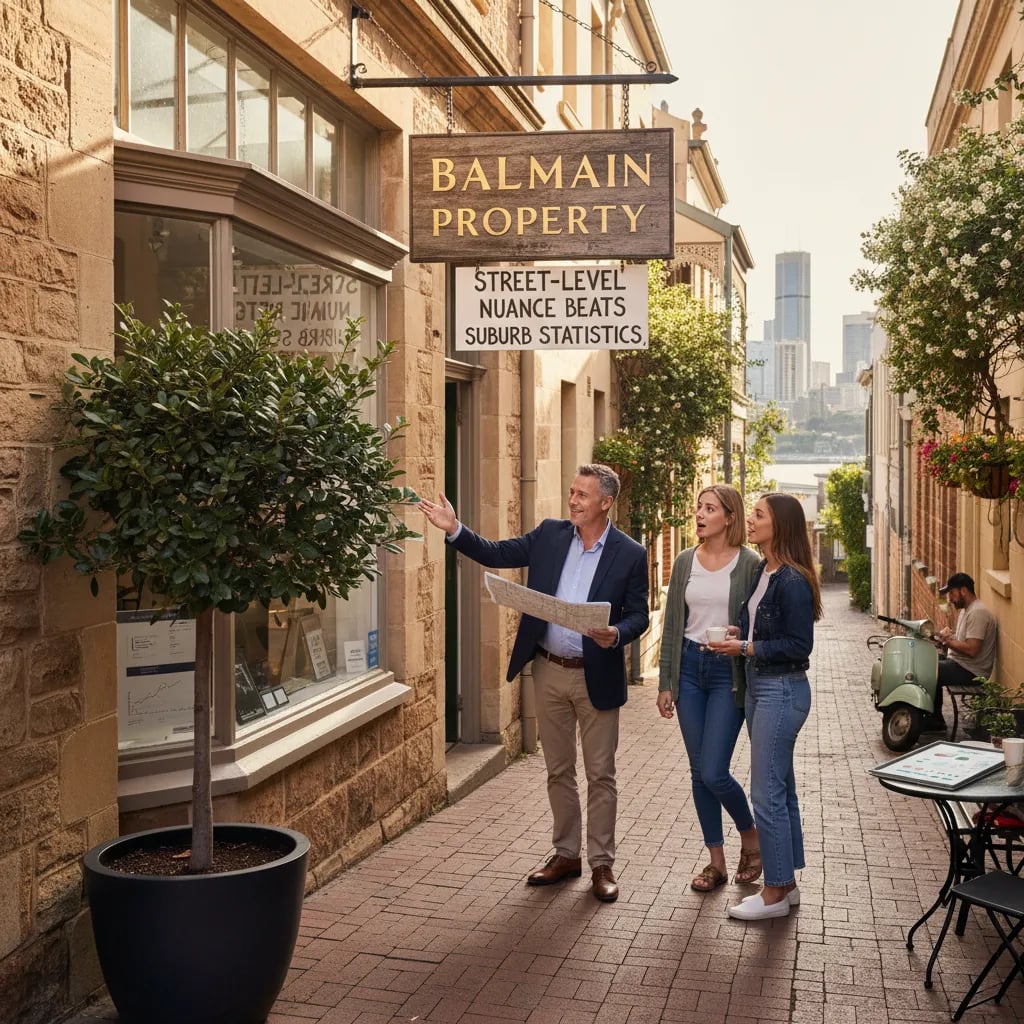

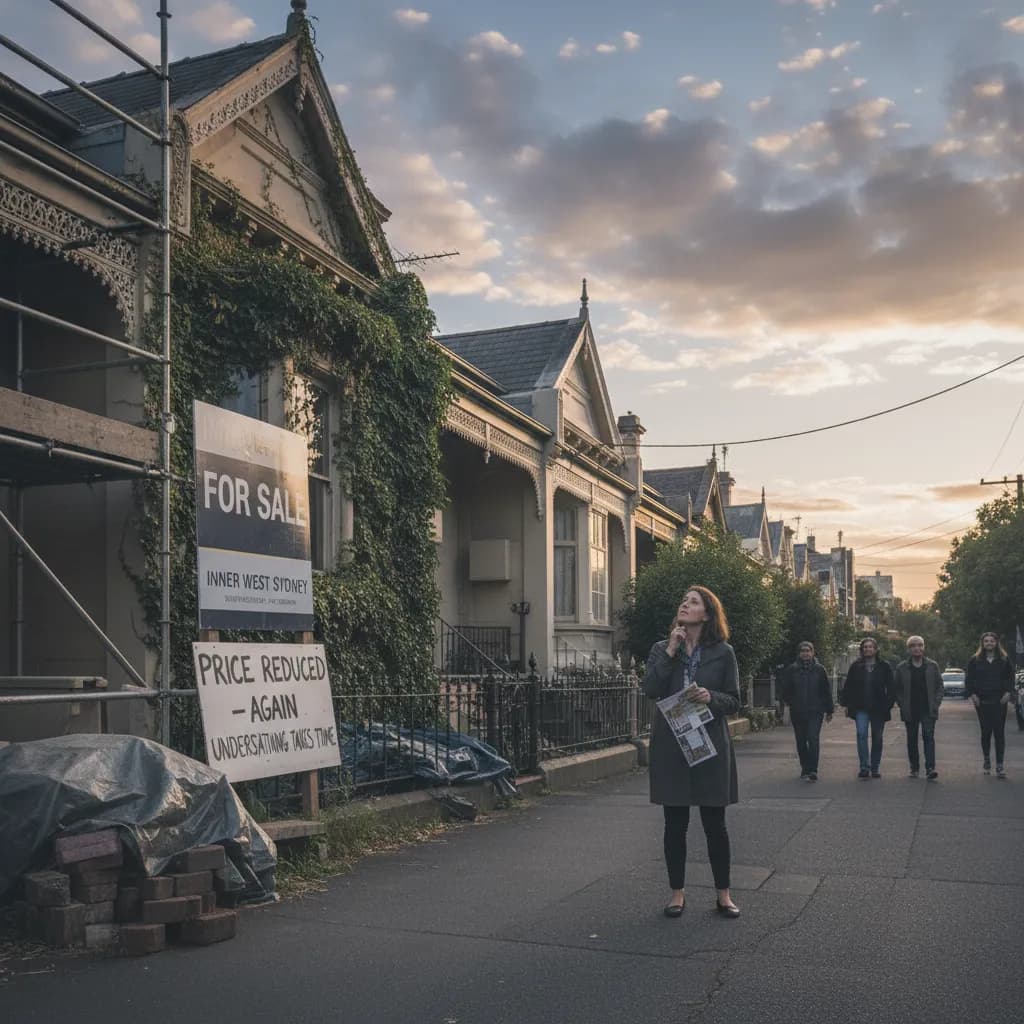
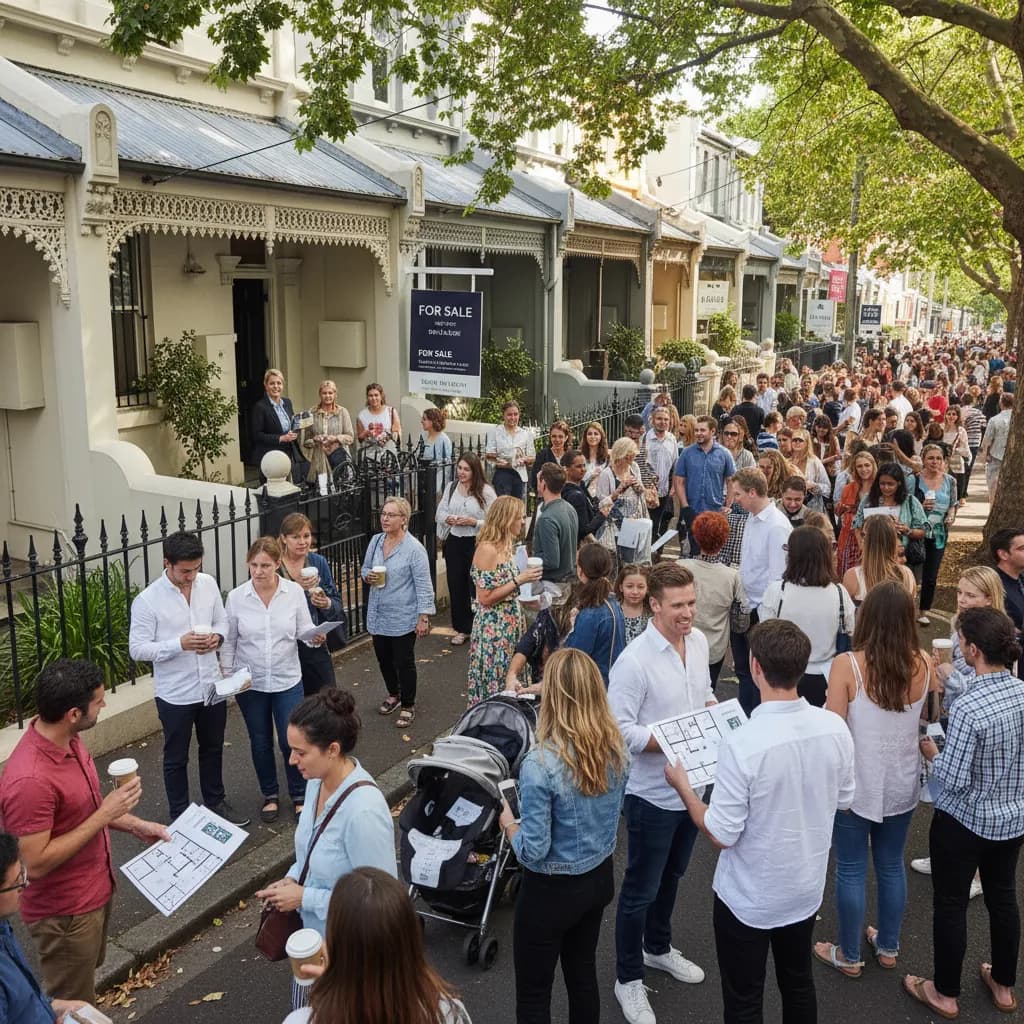
In Balmain, the story isn’t told by suburb averages but by the unique character of each street. Like an old-timer who’s watched the suburb evolve block by block, this article peels back the layers to reveal why some streets draw eager buyers while others linger quietly. From parking quirks to natural light, the micro-markets within Balmain paint a richer picture than cold numbers ever could. Let's navigate through these nuanced landscapes and discover how local context can calm the nerves of sellers and arm buyers with clarity.
Why Street-Level Nuance Matters More Than Suburb Averages in Balmain
In the Balmain property market, the difference between a quick sale and a drawn-out campaign can come down to something as simple as which side of the street your home sits on. As local expert Liz Cloran puts it,
“In Balmain, understanding your street often matters more than understanding your suburb.”This rings especially true in a suburb where buyer behaviour shifts dramatically block by block—and sometimes even house by house.
Micro-Markets: The Real Drivers of Buyer Behaviour in Balmain
While suburb-wide statistics like median price ($2,250,000 with 7.4% growth in the past year) and average days on market (42 days for houses, 68 for units) offer a broad snapshot, they rarely tell the full story. In Balmain, micro-markets—tiny pockets defined by street feel, parking, slope, noise, and local amenities—are what truly shape buyer demand.
- Parking scarcity: Streets with off-street parking or easy access are prized, while those with tight, permit-only parking can deter buyers.
- One-way access: Some blocks are tucked away on quiet, one-way streets, offering privacy and safety, while others face busy through-traffic.
- Slope and stairs: Balmain’s hilly terrain means some homes have steep access or multiple stairs, impacting appeal for families and downsizers.
- Noise corridors: Proximity to main roads or bus routes can affect peace and quiet, even if the home itself is beautifully renovated.
- Light and outlook: North-facing homes or those with water glimpses command a premium over shaded or hemmed-in properties.
- Proximity to amenities: Being a short walk to Darling Street, the ferry, parks, or schools can add significant value.
Case in Point: When Two Similar Homes Perform Differently
Consider two Victorian terraces, both recently updated and within three minutes’ walk of each other. One sits on a sunny, tree-lined street with ample parking and a gentle slope. The other is on a narrow, shaded lane with limited parking and a steep set of stairs. Despite similar floorplans and finishes, the first home attracts multiple offers and sells in under three weeks. The second lingers, with buyers citing access and parking as key concerns. This is the micro-market effect in action.
Why Suburb Averages Can Mislead Sellers
Suburb medians often mask these micro-market realities. Sellers relying on suburb-wide data may set unrealistic price expectations, leading to stress and disappointment. Instead, using micro-comparables—recent sales from the same street or adjacent pocket—gives a far clearer picture of likely buyer response and price outcomes.
Setting Realistic Expectations: The Stress-Reducing Power of Local Context
When sellers understand how their home’s unique street-level features compare, clarity replaces speculation. This reduces stress and helps guide everything from pricing to marketing strategy. In NSW, where price guides and outcomes are shaped by buyer competition and due diligence, professional advice is essential for navigating legal steps and maximising results.
Micro-Market Checklist for Balmain Homeowners
- Compare your home to recent sales on your street or within 200m
- Assess parking, access, and street noise honestly
- Note proximity to Darling Street, ferry, parks, and schools
- Consider slope, stairs, and natural light
- Seek a professional appraisal with a micro-market focus
FAQs: Micro-Markets in the Balmain Property Market
- Q: Why do houses sell faster than units in Balmain?
A: Houses offer more privacy, space, and often better parking—features highly valued in Balmain’s micro-markets. - Q: Can two similar homes have different outcomes?
A: Absolutely. Street feel, access, and local amenities can make all the difference, even for homes just minutes apart. - Q: How should I price my home?
A: Use recent sales from your immediate area, not just suburb averages, and consult a local agent for tailored advice.
Key Micro-Market Factors Shaping Buyer Demand on Balmain Streets
In Balmain, the difference between a quick sale and a property languishing on the market often comes down to the unique micro-market factors of each street. While suburb-wide statistics offer a broad overview, it’s the subtle, street-level nuances that truly shape Balmain buyer demand. As local expert Liz Cloran puts it,
"The true pulse of demand beats strongest in the subtle differences of each street."
Understanding these differences is essential for both buyers and sellers. Here’s how the physical and emotional characteristics of Balmain’s streets create distinct micro-markets, influencing property values and buyer behaviour.
Parking Scarcity: A Deciding Factor
Parking is a premium in Balmain. On some streets, off-street parking is a rare luxury, instantly boosting buyer interest and property value. Conversely, streets with limited or no parking can deter families or professionals who rely on cars. For example, two similar terraces—one with a secure car space on a quiet street, another without on a busy, permit-only road—can see vastly different levels of demand and final sale prices.
One-Way Streets and Limited Access
Balmain’s charming, narrow streets are part of its appeal, but one-way systems and limited access can be a double-edged sword. Some buyers love the reduced traffic and extra privacy, while others find the inconvenience off-putting. A home tucked away on a peaceful one-way lane may attract buyers seeking tranquillity, but it might not suit those who value quick, easy access to main roads or public transport.
Physical Characteristics: Slope, Stairs, and Accessibility
The topography of Balmain varies dramatically. Steep streets and homes with multiple stairs can be a dealbreaker for young families, downsizers, or anyone with mobility concerns. In contrast, level streets and single-level homes often command a premium. Even two houses side by side can perform differently if one has a gentler approach or fewer steps to the front door.
Noise Corridors: The Sound of the Street
Noise is another key factor shaping micro-markets in Balmain. Properties near busy roads, popular nightspots, or bus routes may experience higher turnover and lower prices due to constant noise. Meanwhile, quieter streets away from main thoroughfares are highly sought after, especially by buyers prioritising peace and relaxation.
Natural Light and Outlook: Mood and Value
Homes blessed with abundant natural light and pleasant outlooks—whether leafy, harbour, or city views—tend to attract more buyers and higher offers. In contrast, properties overshadowed by neighbouring buildings or facing blank walls can struggle to achieve suburb-average prices. The emotional impact of light and views is often underestimated, but it’s a powerful driver of buyer decisions in the Balmain street property market.
Proximity to Local Hotspots
Location within Balmain is everything. Streets close to Darling Street’s cafes and shops, ferry terminals, parks, and top schools consistently outperform those further away. For instance, a home a short stroll from Elkington Park or the ferry appeals to city commuters and families alike, creating a micro-market with its own price expectations.
Micro-Market Checklist for Homeowners
- Assess parking availability and restrictions on your street
- Consider the impact of one-way or limited access
- Note the slope, stairs, and general accessibility
- Evaluate noise levels at different times of day
- Observe natural light and outlook from key rooms
- Map proximity to Darling Street, ferries, parks, and schools
In NSW, price guides and outcomes are shaped by buyer competition and thorough due diligence. Sellers should always seek professional advice for the right strategy and legal steps, using micro-comparables—properties on the same street or adjacent pocket—rather than relying on suburb medians. This approach sets realistic expectations and reduces stress, replacing speculation with clarity in Balmain’s ever-evolving micro-markets.
Case Studies: When Two Similar Balmain Homes Perform Differently
In Balmain, it’s easy to assume that two houses with the same number of bedrooms, bathrooms, and square metres should attract similar buyer interest and sale prices. But as any seasoned local agent will tell you, the street itself can make all the difference. Let’s look at two hypothetical homes—House A and House B—both classic Balmain terraces, both recently renovated, and both listed within weeks of each other. Yet, their journeys to “sold” couldn’t be more different.
House A: The Main Road Challenge
House A sits on a busy through-street just a few blocks from Darling Street. On paper, this location seems ideal—close to cafes, shops, and public transport. But during open homes, buyers are met with the constant hum of traffic and the occasional bus rumbling past. Parking is tight, with only permit spaces and no off-street options. The block slopes sharply, meaning a steep set of stairs from the footpath to the front door. Inside, the home is bright and airy, but the living room windows look out onto a bustling intersection.
Despite being priced in line with the Balmain median price of $2.97 million, House A lingers on the market for 72 days—well above the suburb’s average of 50 days. Feedback from buyers centres on noise, parking headaches, and the challenging access for older relatives or prams. Even with Balmain property growth remaining steady, these micro-market factors overshadow the home’s stylish renovation and proximity to amenities.
House B: The Quiet Cul-de-Sac Advantage
Just a ten-minute walk away, House B is nearly identical in layout and finish. But it’s tucked into a peaceful cul-de-sac, where the only traffic comes from neighbours and the odd delivery van. There’s ample street parking, and the block is level—no stairs to navigate. The backyard faces north, bathing the living spaces in natural light throughout the day. From the upstairs balcony, there’s a leafy outlook towards the harbour.
House B attracts strong interest from families and downsizers alike. Within three weeks, it’s under offer—one of the houses selling faster than the suburb average. Buyers mention the quiet street, easy parking, and the “feel” of the neighbourhood as major drawcards. The final sale price edges above the Balmain median, reflecting the premium buyers place on these subtle but important street-level features.
How Buyers Weigh Street “Feel”
These two homes prove that buyers don’t just compare bedrooms and bathrooms—they tune in to the mood and practicality of each street. Here’s what often tips the scales:
- Noise and traffic: Main roads deter buyers seeking peace and privacy.
- Parking: Ample, easy parking is a major plus for families and visitors.
- Slope and access: Steep blocks or lots of stairs can limit appeal, especially for older buyers or those with young children.
- Natural light and outlook: North-facing yards and leafy views lift both mood and perceived value.
- Proximity to lifestyle: While being close to Darling Street or the ferry is desirable, it’s the street’s character that often seals the deal.
Lessons for Sellers: Micro-Market Matters
For Balmain homeowners, these case studies highlight why relying solely on suburb-wide statistics or the Balmain median price can be misleading. Micro-comparables—recent sales in the same street or immediate pocket—provide a more realistic guide. In NSW, price guides and outcomes are shaped by buyer competition and due diligence, so sellers should always seek professional advice for strategy and legal steps.
“In Balmain, understanding your street often matters more than understanding your suburb.”
Street-level nuance isn’t just a detail—it’s the difference between a home that sells quickly and one that lingers, regardless of how similar they might seem on paper.
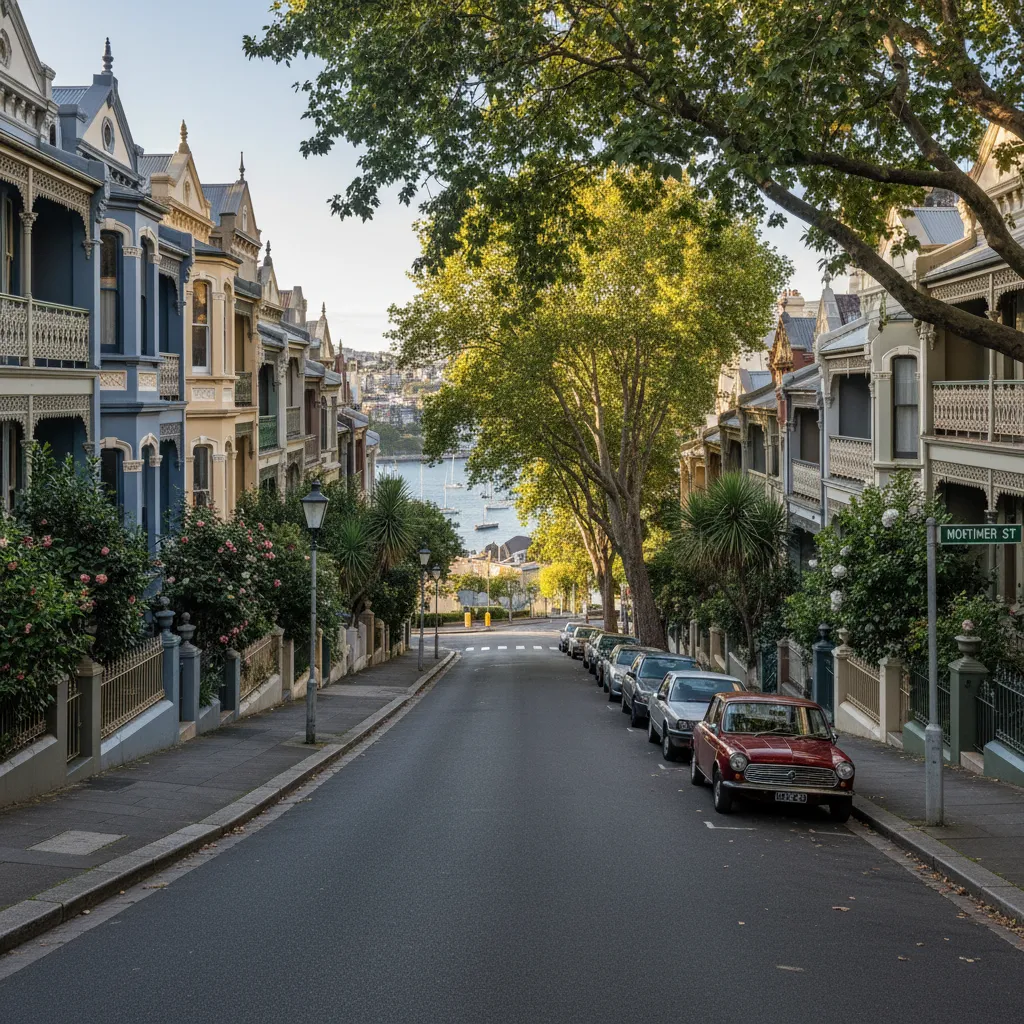
How to Build Realistic Expectations Using Micro-Comps Instead of Sporadic Suburb Medians
In the heart of the Balmain property market, the difference between a smooth sale and a stressful one often comes down to how sellers set their expectations. Many are tempted to rely on the suburb’s median sale price, but in Balmain, that broad statistic can mislead both sellers and buyers. The suburb’s unique patchwork of streets, each with its own quirks and appeal, means that a one-size-fits-all approach rarely works. Instead, using micro-comparables—recent sales from the same street or neighbouring pockets—offers a far more accurate and stress-reducing way to price property.
Why Suburb Median Prices Can Mislead
Median sale price is a popular headline figure, but it hides the nuances that matter most in Balmain. For example, two homes just a block apart might have similar layouts and sizes, but their values can diverge dramatically. One might sit on a quiet, tree-lined street with ample parking and a gentle slope, while the other faces a busy thoroughfare with limited parking and steep stairs. The suburb median can’t capture these distinctions, leading sellers to over- or under-value their homes.
The Micro-Comps Approach: Street-Level Precision
Micro-comparables, or “micro-comps,” focus on properties that share the same street or immediate area, sold within the past six months. This approach recognises that in Balmain, buyer behaviour shifts block by block. Factors like:
- Parking scarcity or abundance
- One-way street access
- Steepness and stairs
- Noise corridors versus quiet pockets
- Natural light and outlook
- Proximity to Darling Street, ferry wharves, parks, and schools
all shape buyer demand and, ultimately, sale price. For instance, two Federation cottages may look alike on paper, but the one with rear-lane access and north-facing living will often outperform its counterpart on a busier, shaded street.
Using Local Sales Data for Relevant Comparisons
Instead of casting a wide net across the suburb, smart sellers and their agents zoom in on the most relevant sales—ideally, within the same street or adjacent pocket, and within a recent timeframe. This narrows the comparison to properties with similar “street feel” and buyer appeal, providing a realistic pricing strategy that reflects true market conditions.
The Role of Professional Agents and Valuers
Professional advice is crucial in navigating Balmain’s micro-markets. Agents and valuers with local expertise can interpret subtle differences between streets and even individual homes. They also understand NSW’s regulatory context, where price guides and outcomes are influenced by buyer competition and thorough due diligence. As one expert puts it:
“Pricing with micro-comps ensures sellers avoid costly over- or under-valuation.”
Seeking professional guidance not only helps with setting a realistic price but also ensures compliance with legal requirements and fair market practice.
How Realistic Pricing Reduces Stress and Builds Confidence
When sellers base their expectations on micro-comps, clarity replaces speculation. This transparency reduces stress, speeds up transactions, and gives sellers confidence that their price is both fair and achievable. Buyers, too, benefit from clear, relatable benchmarks, making negotiations smoother and more constructive.
Micro-Market Checklist for Balmain Homeowners
- Compare recent sales on your street or adjacent pocket
- Note differences in parking, access, slope, and light
- Consider proximity to local amenities and transport
- Consult a local agent or valuer for nuanced advice
- Ensure your price guide aligns with NSW regulations
FAQs
- Q: Why shouldn’t I use the suburb median sale price?
A: It overlooks street-level differences that can significantly impact value in Balmain. - Q: What makes a good micro-comparable?
A: A recent sale (within 6 months) on the same street or nearby, with similar features and street feel. - Q: How can I find accurate micro-comps?
A: Ask a local agent or valuer with Balmain experience for a tailored sales analysis.
The NSW Lens: Market Competition, Due Diligence & Legal Steps for Balmain Sellers
In the Balmain property market, the difference between a record sale and a slow campaign often comes down to the street—not just the suburb. Yet, behind every standout result is a web of NSW-specific market forces, legal requirements, and due diligence steps that sellers must navigate. Understanding these factors is essential for anyone looking to sell in one of Sydney’s most nuanced micro-markets.
How Market Competition Shapes Price Guides in Balmain
Balmain’s property market NSW is fiercely competitive, driven by both traditional buyers and a surge in real estate private credit activity. According to recent data, Balmain originated $1.2bn in senior commercial loans in Q1 FY26, with funds under management topping $4bn in recent years. As the Balmain CEO notes:
'Real estate private credit demand is set to quadruple in five years, intensifying competition.'
This heightened competition means price guides are more than just numbers—they’re strategic signals. In micro-markets like Balmain, a home’s price guide must reflect not only suburb-wide trends but also the unique appeal of its street: parking, access, light, and proximity to local hotspots. Sellers who understand how buyer demand shifts block by block can set realistic expectations and avoid the stress of over- or under-pricing.
Due Diligence: Evaluating Micro-Market Conditions
Thorough due diligence is the backbone of a successful sale in Balmain. Here, two similar homes on different streets can achieve vastly different results due to factors like:
- Parking scarcity or one-way access
- Street slope and number of stairs
- Noise corridors or peaceful pockets
- Natural light and outlook
- Proximity to Darling Street, ferry, parks, or schools
Buyers are increasingly savvy, often commissioning their own building, pest, and strata reports. Sellers should anticipate this scrutiny by gathering micro-comparables—recent sales on the same street or adjacent blocks—to inform their pricing and marketing strategy.
Legal Considerations Unique to NSW Real Estate
NSW property law is detailed and seller-focused, with strict requirements for contract preparation and disclosure. Before listing, sellers must:
- Engage a solicitor or conveyancer to draft a compliant contract of sale
- Disclose all material facts, including easements, encumbrances, and zoning
- Understand cooling-off periods and auction rules, which can impact negotiation
Failure to meet these legal steps can delay or derail a sale, especially in a market where buyers move quickly and competition is fierce.
Expert Guidance: Agents, Valuers, Solicitors
With so much at stake, Balmain sellers are best served by a team of local experts. A skilled agent will interpret micro-market trends, while a valuer can provide an objective assessment based on hyper-local data. Solicitors ensure contracts reflect the property’s unique attributes—think shared driveways, heritage overlays, or special conditions tied to street-level quirks.
Navigating Contract Specifics for Micro-Markets
Contracts in Balmain often need to address issues that rarely arise in broader suburb statistics. For example, a home on a steep street may require special clauses about access or maintenance. Sellers should work closely with their legal team to ensure all micro-market nuances are covered, reducing the risk of post-sale disputes.
Reducing Risk: Understanding Market and Statutory Frameworks
Ultimately, clarity replaces speculation when sellers combine local market insight with legal compliance. By understanding both the competitive landscape and statutory obligations, Balmain homeowners can approach their sale with confidence—and achieve the best possible outcome.
Micro-Market Checklist for Balmain Sellers
- Gather recent sales data from your street or immediate area
- Assess unique features: parking, access, light, noise, proximity
- Engage a local agent, valuer, and solicitor
- Prepare all legal documents and disclosures before listing
- Set a price guide based on micro-market realities, not just suburb medians
Micro-Market Checklist for Homeowners: Navigating Balmain’s Street-Level Property Landscape
In Balmain, the difference between a quick sale and a property lingering on the market often comes down to details that suburb-wide statistics simply can’t capture. Homeowners who tune into their street’s unique micro-market—rather than relying on broad suburb medians—are better placed to set realistic expectations, reduce stress, and achieve standout results. Here’s a practical checklist for navigating Balmain’s street-level property landscape, designed for those keen to understand why Balmain selling speed and rental trends can shift dramatically from one block to the next.
1. Verify Recent Sales on Your Street or Adjacent Pockets
Start by looking at the most recent sales not just in Balmain, but specifically on your street or in neighbouring pockets. Two similar homes—one on a quiet, tree-lined avenue and another on a busier thoroughfare—can attract vastly different buyer interest and price outcomes. For example, a classic terrace on Booth Street may sell faster than a comparable home on a steeper, narrower lane nearby, simply due to easier parking and a friendlier street “feel”.
- Tip: Use micro-comparables—properties with similar features in your immediate vicinity—to guide your pricing, rather than relying on the suburb median.
2. Consider Local Factors: Parking, Slope, Noise, Sunlight, and Amenities
Balmain’s charm lies in its diversity, but that also means each street has its quirks. Buyer response is shaped by:
- Parking: Off-street parking is gold in Balmain. Streets with ample parking or private driveways often see faster sales and higher prices.
- Slope & Stairs: Steep streets or homes with lots of stairs can limit buyer pools, especially for families or downsizers.
- Noise Corridors: Proximity to main roads or bus routes can impact both appeal and rental yields.
- Sunlight & Outlook: North-facing homes or those with water glimpses command premiums. Shaded or hemmed-in properties may lag behind.
- Nearby Amenities: Walking distance to Darling Street, ferry wharves, parks, and schools can make a significant difference in both selling speed and property investment Balmain outcomes.
3. Consult Professionals for Micro-Market Valuation and Legal Advice
Engage a local agent who understands Balmain’s micro-markets. They’ll interpret buyer demand trends—like days on market and rental returns—at a street or block level. In NSW, price guides and final outcomes are shaped by buyer competition and due diligence, so tailored advice is invaluable. Don’t overlook legal steps: contract reviews, disclosures, and compliance are critical to a smooth sale.
4. Inspect Buyer Demand Trends: Speed, Rental Yields, and Competition
- Track how quickly homes are selling on your street. Rapid turnover often signals strong demand.
- Check local rental yields—streets near transport or lifestyle hubs may attract higher rents and investor interest.
- Monitor open home attendance and auction competition to gauge current buyer appetite.
5. Prepare for Variations—Even Within Your Street Block
Be ready for surprises. In Balmain, two houses side by side can perform differently due to subtle differences in light, privacy, or even the friendliness of neighbours. Set expectations based on micro-market realities, not suburb-wide averages.
6. Understand NSW Regulatory Obligations
Stay informed about your legal responsibilities as a seller in NSW. From contract requirements to disclosure obligations, professional guidance ensures you avoid costly pitfalls and keep the process stress-free.
“Local context creates realistic expectations—and realistic expectations reduce stress, because clarity replaces speculation.”
#BalmainProperty #ThoughtfulSelling
Frequently Asked Questions: Unpacking Balmain’s Micro-Market Mysteries
Why do two similar homes on the same street sell at different prices?
It’s a question that baffles many: how can two near-identical terraces, just doors apart, fetch wildly different results? In the Balmain property market, the answer lies in the subtle yet powerful influence of micro-markets. One home may sit on the high side of the street, basking in afternoon sun and enjoying a leafy outlook, while its neighbour faces a busier intersection or lacks privacy. Even the slope of the block, the presence of stairs, or the way natural light filters into living spaces can sway buyer emotions—and, ultimately, sale prices. Local agents report that buyers often pay a premium for a home with a “better feel,” even if the floorplan is similar. These nuances rarely appear in suburb-wide statistics, but they’re crucial in Balmain’s tightly held streets.
How much does parking really impact buyer decisions in Balmain?
Parking is pure gold in Balmain. With narrow streets and limited off-street options, a secure parking spot can add significant value—sometimes hundreds of thousands of dollars. Buyers with young families or busy lifestyles often prioritise parking above extra bedrooms or renovated kitchens. In fact, two homes on the same block can see dramatically different buyer interest and price outcomes based solely on parking availability. Agents consistently note that homes with off-street parking attract more competition, faster sales, and stronger results, especially in high-demand pockets near Darling Street or the ferry.
What is the role of micro-markets in property investment strategy?
For investors, understanding micro-markets Balmain-wide is essential. Rather than relying on broad suburb medians, savvy investors look at street-level trends—rental demand, vacancy rates, and capital growth on a block-by-block basis. For example, proximity to parks, schools, or transport can boost rental yield and tenant appeal, while homes on quieter, tree-lined streets tend to hold value better during market downturns. By focusing on these micro-markets, investors can make more informed decisions, reduce risk, and maximise returns in Balmain’s unique landscape.
How do rental yields vary street to street within Balmain?
Balmain rental trends show that yields can swing noticeably even within a few hundred metres. Streets with easy access to public transport, shops, and lifestyle amenities often command higher rents and lower vacancy. Conversely, properties on steeper blocks or those with limited parking may see softer demand. Local data reveals that tenants are willing to pay more for convenience, light, and a sense of community—factors that differ from street to street. This means landlords should always benchmark against immediate neighbours, not just the suburb average.
What legal steps should sellers take in NSW given micro-market realities?
Selling in Balmain means navigating NSW’s strict legal framework, where due diligence and transparency are paramount. Sellers must provide a contract of sale and required disclosures before listing. Because micro-market factors can influence buyer competition and price guides, it’s vital to work with a local agent who understands the nuances of your street. They can help set realistic expectations, advise on compliance, and connect you with property lawyers who specialise in Inner West transactions. This ensures a smooth process and reduces the risk of disputes.
Where can sellers find trustworthy advice tailored to Balmain’s nuances?
The best advice comes from professionals who live and breathe the Balmain property market. Local agents, property managers, and legal experts understand the micro-markets that shape every sale, rental, and investment. They can provide tailored guidance, from pricing strategy to marketing, negotiation, and legal steps. Sellers should seek out agents with a proven track record in their specific pocket, ensuring advice is based on real street-level experience—not just suburb statistics.
In conclusion, Balmain’s property landscape is defined by its micro-markets—where every street, and often every house, tells a different story. By embracing this nuance, buyers, sellers, and investors can move forward with clarity, confidence, and a true sense of what makes Balmain so uniquely rewarding.