

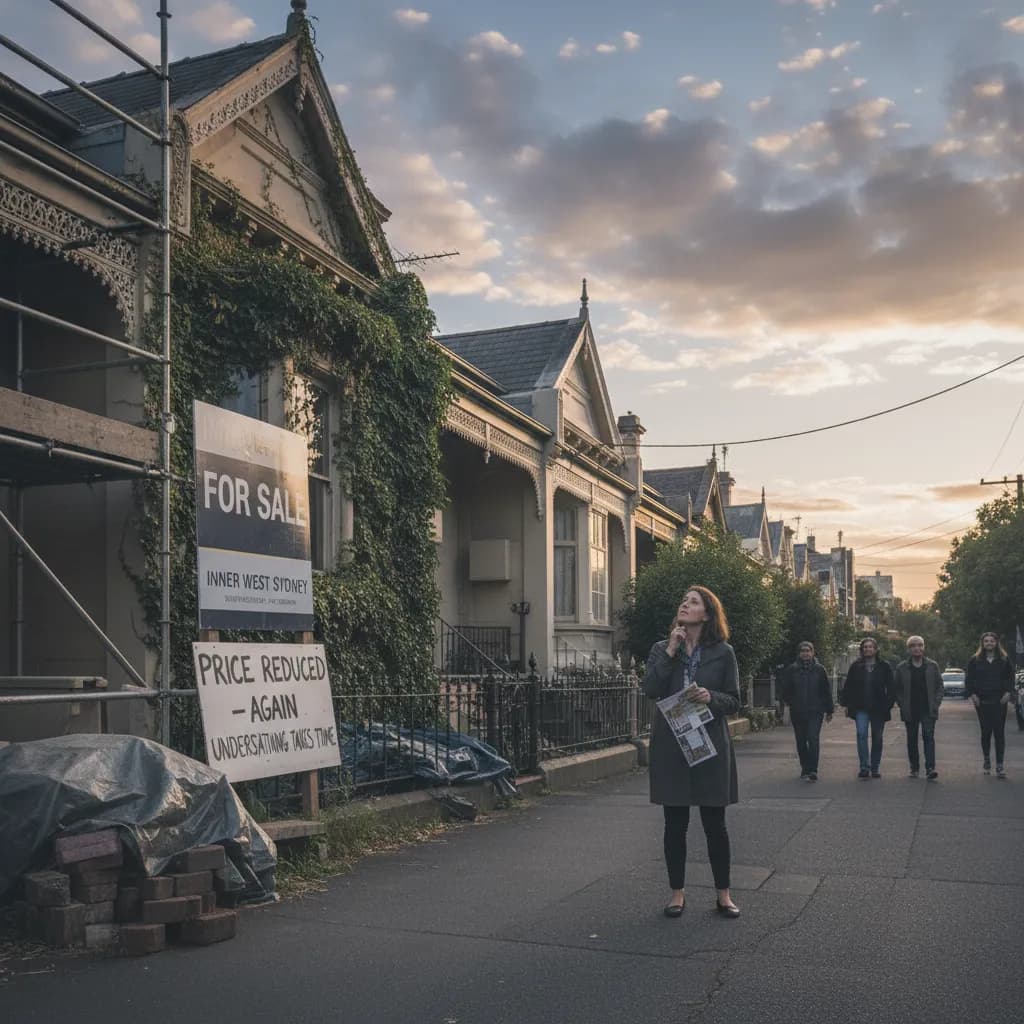

Before the first formal appraisal, many Balmain sellers find themselves silently observing the ebb and flow of local buyer interest. This quiet research phase isn’t procrastination but a vital information-gathering period. Imagine walking past a sunny terrace home on Darling Street and noting how many people pause to peek inside or how a nearby unit’s awkward layout causes potential buyers to linger uncomfortably. These subtle signals feed into a clearer understanding, shaping how sellers approach their next steps, calm and informed rather than reactive and rushed.
The Quiet Phase: Why Sellers Observe Before Appraisals
In Balmain, selling a home rarely starts with a phone call to an agent or a formal appraisal. Instead, it begins with a subtle, almost invisible phase: quiet observation. Long before any paperwork is signed, many sellers find themselves tuning into the rhythms of the Balmain property market, watching and learning from the sidelines. This “quiet phase” isn’t about procrastination—it’s about gathering the kind of real-world insight that leads to calm, confident decisions later on.
“Observation isn’t hesitation, it’s the foundation of informed decision-making.”
– Liz Cloran
Watching Buyer Behaviour in Balmain: What Sellers Notice
Walk down the leafy streets of Balmain on a Saturday morning and you’ll spot the signs: a crowd gathering outside a terrace with a sun-drenched courtyard, or a handful of browsers quietly drifting through a flat above Darling Street. Sellers, whether they admit it or not, are often among those watching from a distance, noting which homes attract a buzz and which seem to linger on the market.
- Homes that pull crowds: Properties with open-plan living, north-facing windows, or seamless indoor-outdoor flow often see more foot traffic. In Balmain, a home with off-street parking or a leafy outlook can be a magnet for buyers.
- Homes that sit quietly: Dwellings with awkward layouts, limited natural light, or no outdoor space tend to attract less interest. The street’s feel—quiet cul-de-sac versus busy thoroughfare—also plays a role.
These patterns aren’t just idle observations. They’re clues about what today’s buyers value most. Sellers who notice these signals early are already a step ahead, shaping their own expectations and strategies.
Property Observation Techniques: Gathering Real Data
Effective observation goes beyond counting heads at an open home. Sellers in Balmain often use subtle property observation techniques to understand buyer behaviour:
- Enquiry quality: Are buyers asking detailed questions about strata levies, building condition, or local schools? Casual comments differ from serious, specific queries.
- Repeat visits: When the same faces return for a second or third inspection, it’s a strong sign of genuine interest.
- Questions about lifestyle fit: Buyers who ask about local parks, transport, or community events are picturing themselves living there.
- Attention to detail: Watch for buyers inspecting storage, testing water pressure, or measuring rooms—these are signs they’re thinking beyond first impressions.
Ethical observation means respecting privacy and not intruding. Most sellers simply note these behaviours during open homes or from casual chats with neighbours. It’s about quietly tuning in, not interfering.
From Information to Confidence: The Emotional Payoff
There’s a misconception that this quiet phase is just a way to delay tough decisions. In reality, it’s a powerful form of data gathering. As Liz Cloran puts it, “Observation isn’t hesitation, it’s the foundation of informed decision-making.” Sellers who start with observation often feel less anxious and more in control when the time comes to act. Early understanding helps avoid the stress of rushed, reactive selling later on.
Understanding the NSW Selling Process: A Primer
For many, the unknowns of the selling process can be daunting. Here’s a quick overview to demystify what comes after the quiet phase:
- Agency Agreement: Choose a real estate agent and sign an agreement outlining their services and fees.
- Prepare the Contract: Engage a conveyancer or solicitor to prepare the contract of sale, including required certificates and disclosures.
- Choose a Method of Sale: Decide between auction, private treaty, or expressions of interest—each has pros and cons depending on your goals and market conditions.
Observation Journal Template
To make the most of this phase, many Balmain sellers keep a simple journal:
| What I Saw | What It Might Mean | What I Still Need to Learn |
|---|---|---|
| Large crowd at open home for terrace with courtyard | Outdoor space is highly valued | How much does parking influence price? |
| Few visitors to top-floor flat with no lift | Accessibility is a concern for buyers | Are there ways to improve appeal? |
FAQs: The Quiet Phase in Balmain
- Isn’t observation just procrastination?
No, it’s a strategic way to gather information and build confidence before making big decisions. - How long should I observe before contacting an agent?
There’s no set timeframe—some sellers watch for weeks, others for months. The key is clarity, not speed. - What if I miss the “right time” to sell?
Early observation helps you spot trends, reducing the risk of missing out on good opportunities.
Balmain Buyer Behaviour: What Attracts and What Repels
Before a single appraisal is booked, most Balmain sellers have already begun their quiet research. They watch the market, stroll the neighbourhood, and pay close attention to which Balmain homes for sale are drawing crowds—and which ones are left waiting. This silent observation phase is not procrastination; it’s the foundation for calm, informed decision-making. As Liz Cloran puts it,
“A home’s flow and light often speak louder than a brochure.”
What Pulls the Crowds: Layout, Light, and Lifestyle
In Balmain, homes that attract the most interest tend to share several key features. Open, flowing layouts and abundant natural light are at the top of the list. For example, a classic Darling Street terrace with its wide hallway, high ceilings, and sunlight streaming through sash windows will often see a steady stream of visitors at every open home. Buyers linger in living rooms that connect seamlessly to leafy courtyards or decks, picturing easy Sunday mornings and family gatherings.
- Open layouts: Spaces that feel connected and easy to move through invite buyers to imagine their own routines and gatherings.
- Natural light: North-facing windows, skylights, and glass doors are magnets for attention, especially in older homes where light can be scarce.
- Outdoor connection: Balmain buyers love a home where the kitchen flows to a private garden or balcony—outdoor living is a prized part of the Inner West lifestyle.
Parking and Street Feel: The Mood Makers
Parking is a perennial topic in Balmain. Homes with off-street parking or even a secure car space are rare and highly sought after. The street itself matters too—tree-lined, quiet lanes like those off Booth Street or the village feel of Montague Street can lift buyer moods and boost perceived value. Conversely, homes on busy corners or with tricky access often see less enthusiasm, no matter how beautifully renovated inside.
What Repels: Awkward Layouts and Poor Condition
Units and houses with awkward layouts—think kitchens tucked away from living spaces, or bedrooms opening directly onto living areas—tend to linger on the market. Poor building condition is another red flag. In Balmain’s older unit blocks, buyers will quietly note peeling paint, damp smells, or dated common areas. These properties see fewer repeat visits and less serious enquiry, even if the price is competitive.
- Units with poor flow: Small, dark kitchens or windowless bathrooms are a turn-off.
- Building upkeep: Buyers ask about recent strata works, levies, and long-term maintenance plans. If answers are vague, interest drops.
Serious Signals: Questions and Repeat Visits
Not all buyer behaviour is visible at first glance. The most telling signs of genuine interest come from the quality of enquiries and the nature of questions asked. In Balmain, serious buyers will:
- Return for a second or third inspection, often bringing partners or parents.
- Ask detailed questions about strata (for units), building history, and any recent renovations or repairs.
- Probe about local schools, transport, and the vibe of the immediate street.
- Discuss lifestyle fit—how the home would work for their family, pets, or work-from-home needs.
These are the buyers most likely to make an offer. Observing these patterns—without intruding or making assumptions—gives sellers valuable insight into what the market values right now.
Ethical Observation: How to Watch and Learn
Watching buyer behaviour is about noticing, not interfering. Sellers can:
- Attend open homes as a neighbour to see what draws attention.
- Note which homes have “sold” stickers within weeks and which remain unsold.
- Listen for the types of questions buyers ask agents at opens.
NSW Selling Process Primer
Understanding the next steps removes fear from the process:
- Agency Agreement: Choose a real estate agent and sign an agreement outlining fees and terms.
- Contract Preparation: Engage a conveyancer or solicitor to prepare the contract of sale.
- Method of Sale: Decide between auction, private treaty, or off-market sale based on your goals and market performance.
Observation Journal Template
| What You Saw | What It Might Mean | What You Still Need to Learn |
|---|---|---|
| Busy open home, buyers asking about parking | Parking is a top priority | How much extra value does a car space add? |
| Unit with poor light, few visitors | Light is critical for units | Are there affordable ways to improve natural light? |
FAQs
- How long do Balmain homes for sale usually take to sell?
Houses average 42 days, while units take about 68 days. - What features increase buyer interest most?
Open layouts, natural light, outdoor connection, and parking. - How can I tell if a buyer is serious?
Look for repeat visits and detailed questions about the property and lifestyle fit.
Ethical Observing: How to Watch Buyer Behaviour Realistically
In Balmain, the journey to selling a home often begins long before a single agent is called or an appraisal is booked. Sellers become quiet researchers, watching the subtle signals of buyer behaviour in Balmain’s bustling property market. This “quiet research” phase is not about snooping or second-guessing neighbours—it’s about gathering real, useful data to make calm, informed decisions later on. As Liz Cloran puts it:
"Observing ethically means respecting both buyer curiosity and seller privacy."
Respectful Observation: Building Trust in the Community
Ethical observation is the cornerstone of community trust. In a close-knit area like Balmain, it’s important to keep your research respectful and discreet. This means:
- Watching open homes from a distance, not intruding on private inspections.
- Listening to public feedback, but never prying into private conversations.
- Not photographing or recording buyers or neighbours without consent.
By maintaining this respectful distance, you help foster goodwill and ensure that your property observation techniques don’t cross personal boundaries.
What to Notice: Real Signs of Buyer Behaviour in Balmain
Not all buyer interest is created equal. Some homes on Darling Street pull crowds, while others on quieter lanes seem to linger. Why? Often, it’s the little things:
- Layout flow: Open-plan living and seamless indoor-outdoor connections attract more attention.
- Natural light: Homes with bright, airy rooms tend to see more repeat visitors.
- Parking: Off-street parking is a major drawcard, especially for families and professionals.
- Street feel: Leafy, quiet streets with a sense of community often see higher enquiry quality.
During open homes, notice the types of questions buyers ask. Are they asking about strata levies, building condition, or the local café scene? Are there repeat visitors, or do people leave quickly? These are all valuable signals.
How to Interpret Buyer Actions—Without Jumping to Conclusions
It’s easy to fall into the trap of wishful thinking or over-analysing every glance. Instead, treat your observations as factual data, not emotional speculation. For example:
- Enquiry quality: Are buyers asking detailed questions about renovations, schools, or council approvals?
- Repeat visits: Do certain buyers return with family or a builder?
- Strata and building questions: In Balmain’s many terraces and apartments, questions about strata fees or recent works can indicate serious intent.
- Lifestyle fit: Are buyers picturing themselves in the space—talking about walking to the ferry or local parks?
Remember, one observation is just a moment in time. Patterns over several weeks are what matter most in Sydney property trends.
Why Observation is Data Gathering, Not Procrastination
Some sellers worry that all this watching is just putting off the inevitable. In reality, these notes are the foundation of a calm, confident sale. When you understand what buyers value—whether it’s a sunny courtyard or secure parking—you can prepare your home and your expectations accordingly. Journaling your observations helps turn scattered impressions into clarity, so decisions feel less rushed and more grounded.
NSW Selling Process Primer: Reducing Fear of the Unknown
Understanding the basics of the NSW selling process can also help you interpret buyer behaviour more realistically. Here’s a quick primer:
- Agency Agreement: You’ll sign an agreement with your chosen agent, outlining fees and services.
- Contract Preparation: A conveyancer or solicitor prepares the contract of sale before you can officially market the property.
- Method of Sale: Decide between auction, private treaty, or expressions of interest—each attracts different buyer behaviours.
Knowing these steps can help you spot which buyers are serious and which are just browsing.
Observation Journal Template
To make sense of what you see, try this simple journal:
| Date | What I Saw | What It Might Mean | What I Still Need to Learn |
|---|---|---|---|
| 12 June | Three groups stayed over 20 mins at open home, asked about parking and local schools | Family buyers likely value off-street parking and school catchment | Check recent sales with similar features |
Over time, this approach to property observation techniques will help you interpret buyer behaviour in Balmain with clarity and confidence.
FAQs: Ethical Observation in Balmain
- Is it okay to attend open homes as a seller? Yes, but be discreet and respectful—avoid interfering with buyers or agents.
- How can I tell if a buyer is serious? Look for repeat visits, detailed questions, and requests for contract copies.
- Should I share my observations with my agent? Absolutely—your insights can help shape the sales strategy.

NSW Selling Process Primer: From Observation to Contract
In the heart of Balmain, selling a property is rarely a snap decision. Most journeys begin with quiet research—long before a “For Sale” sign appears or an agent is called. Owners become silent observers, watching the Sydney property market unfold on their own street. This early phase is about gathering information, not procrastinating. As Liz Cloran says, “Knowing the process takes the fear out of selling, making decisions calmer.”
Understanding the Quiet Research Phase
Balmain’s leafy streets and heritage homes offer a front-row seat to the rhythms of the local market. Sellers often notice which homes pull crowds at open inspections and which linger on the market. For example, a weatherboard cottage on a sunny corner might attract families, thanks to its open-plan flow and easy garden access. Meanwhile, a terrace with limited light or tricky parking may see fewer visitors and slower enquiry.
These observations aren’t hesitation—they’re the first step in understanding property market performance. Sellers watch:
- Layout Flow: Homes with seamless indoor-outdoor living or open kitchens tend to draw more interest.
- Natural Light: North-facing living areas or skylights often mean more foot traffic.
- Outdoor Connection: Courtyards and balconies are prized, especially in Balmain’s village atmosphere.
- Parking: Off-street parking is a hot topic, with buyers asking early and often.
- Street Feel: Quiet, tree-lined streets or proximity to cafes and parks can tip the balance.
Ethical and Realistic Observation
Watching buyer behaviour is about noticing patterns, not prying. Sellers can ethically observe:
- Enquiry Quality: Are buyers asking about strata levies, building condition, or renovation history?
- Repeat Visits: Do interested parties return for a second look, or bring family members?
- Questions About Lifestyle Fit: Are buyers curious about local schools, transport, or pet policies?
These signals help sellers understand what matters most in the current Sydney property market, turning vague impressions into actionable insights.
NSW Property Selling Process: A Simple Primer
Once observations turn into intent, understanding the NSW property selling process is the next step. Here’s how it unfolds:
1. Agency Agreement Basics
Before listing, sellers sign an agency agreement with their chosen real estate agent. This document formalises the relationship, outlining fees, marketing strategies, and the agent’s obligations. It’s a legal requirement in NSW and gives both parties clarity from the outset.
2. Preparing the Contract for Sale
In NSW, a property cannot be advertised until a contract for sale is prepared by a licensed conveyancer or solicitor. This contract includes title documents, zoning certificates, and a property report. Having a professional manage this step helps avoid legal pitfalls and ensures all disclosures are made upfront.
3. Choosing a Method of Sale
- Auction: Popular in Balmain, especially for unique or highly sought-after homes. Auctions create urgency and can drive competitive bidding.
- Private Treaty: The property is listed with an asking price, and negotiations happen privately. This method offers more control and flexibility.
- Expressions of Interest: Buyers submit their best offers by a set date, often used for prestige or architecturally significant properties.
4. Timing and Cooling-Off Periods
Understanding timing is crucial. In NSW, buyers usually have a five-business-day cooling-off period after signing a contract (unless buying at auction). This gives everyone a chance to finalise finance and complete due diligence, reducing surprises and anxiety.
5. The Power of Clear Communication
Throughout the process, clear communication with your agent and legal advisors is key. Regular updates and honest conversations help sellers feel supported and informed, making each step less daunting.
“Knowing the process takes the fear out of selling, making decisions calmer.”
– Liz Cloran
Observation Journal Template
To make sense of your quiet research, try this simple journal:
- What I Saw: (e.g., “Three couples returned for a second inspection at 12 Smith St.”)
- What It Might Mean: (e.g., “Layout and garden appeal to young families.”)
- What I Still Need to Learn: (e.g., “How much value does off-street parking add in this street?”)
Keeping these notes helps turn observations into confident, informed decisions as you move from research to contract in the NSW property selling process.
Observation Journal: Your Secret Selling Weapon
In Balmain, the journey to a successful sale rarely begins with a formal appraisal. Instead, it starts quietly—on morning walks, at open homes, or even while chatting with neighbours over coffee. Sellers become silent researchers, tuning into subtle property observation techniques and watching buyer behaviour in Balmain long before any agent is called in. This “quiet research” phase is not procrastination—it’s the groundwork for calm, confident decisions later on.
“An observation journal turns curiosity into confidence.”
– Liz Cloran
Why Keep an Observation Journal?
Journaling isn’t just for writers. In real estate, it’s a practical tool that helps you track Balmain sales trends and decode what really matters to buyers. By keeping daily or weekly notes, you’ll start to see patterns—what draws crowds, what leaves buyers cold, and which features spark the most conversation. This process transforms vague impressions into actionable insights, making your next steps clearer and less stressful.
What to Watch: Real Examples from Balmain
- Homes That Pull Crowds: Properties with open-plan living, north-facing courtyards, or off-street parking often attract more interest. For example, a weatherboard cottage on Curtis Road with a seamless indoor-outdoor flow saw queues at every inspection, while a similar home lacking light and garden access lingered on the market.
- Homes That Sit Quietly: Dwellings with awkward layouts, limited natural light, or no parking tend to see fewer visitors. A classic terrace on Darling Street, beautifully renovated but with a dark, narrow hallway, had many one-off viewers but few repeat visits.
- Street Feel: Buyers in Balmain often comment on traffic, noise, and proximity to cafes or parks. A home on a leafy cul-de-sac may get more compliments and questions about the neighbourhood vibe than one on a busy thoroughfare.
How to Observe Buyer Behaviour Ethically
It’s important to respect privacy and avoid intrusive behaviour. Focus on open homes and public feedback, not private conversations. Here’s what you can ethically record:
- Number of Visitors: Is the open home bustling or quiet?
- Repeat Visitors: Are people coming back for a second look?
- Types of Enquiries: Are buyers asking about strata levies, building condition, or local schools?
- Feature Hotspots: Do people linger in the kitchen, comment on the garden, or ask about parking?
- Concerns or Surprises: Are there questions about damp, noise, or renovations?
- Lifestyle Fit: Are buyers picturing themselves living there, or do they seem hesitant?
Reflection: Turning Notes into Strategy
After each observation, jot down what you think it means. For example, if buyers keep asking about outdoor space, it might be worth investing in garden staging. If parking is a sticking point, highlight alternative transport options in your listing. Regular reflection helps you spot gaps in your knowledge—maybe you need to learn more about strata rules or recent sales in your street.
Reducing Fear: A Quick NSW Selling Primer
Many sellers hesitate because the process feels mysterious. Here’s a brief overview:
- Agency Agreement: Choose your agent and sign an agreement outlining fees and services.
- Contract Preparation: Engage a conveyancer or solicitor to prepare the contract of sale, including title details and property inclusions.
- Method of Sale: Decide between auction, private treaty, or off-market sale based on your observations and agent advice.
Observation Journal Template
| What You Saw | What It Might Mean | What You Still Need to Learn |
|---|---|---|
| Four groups lingered in the backyard, two asked about garden maintenance. | Outdoor space is a key selling point; buyers value low-maintenance gardens. | Check local landscaper costs for staging; research similar sales with gardens. |
| One visitor asked about strata fees and pet policy. | Buyers may be concerned about ongoing costs and restrictions. | Clarify strata by-laws and have fee details ready for future enquiries. |
By using these property observation techniques and reflecting on buyer behaviour in Balmain, you’ll turn quiet research into a powerful selling strategy—one journal entry at a time.
Balmain Market Snapshot: Key Stats & Trends
Before any “For Sale” sign goes up in Balmain, most sellers have already spent months quietly observing the local property scene. This early research phase—often unnoticed by others—lays the groundwork for calm, confident decisions later on. Sellers watch which homes attract crowds at open inspections, which linger on the market, and what features seem to spark the most buyer interest. In Balmain, these patterns are especially revealing, as the suburb’s property market continues to outperform much of Sydney’s Inner West.
Recent market reports confirm that the Balmain property market remains robust. The median house price has held steady at around $2.97 million, a testament to the suburb’s enduring appeal. Units, meanwhile, have surged 17.8% over the past year, now sitting at a median of $1.4 million. Yet, houses still sell faster—averaging just 42 days on market compared to 68 days for units. This difference highlights a key trend: Balmain’s classic terraces and freestanding homes continue to outshine apartments in both demand and speed of sale.
As Liz Cloran notes,
“Balmain remains a resilient hotspot in Sydney’s Inner West.”The numbers back her up. Investor activity has jumped by 20% following recent interest rate cuts, with many buyers drawn by the suburb’s strong rental yields—2.16% for houses and 3.25% for units. Infrastructure upgrades and ongoing gentrification along Darling Street have further boosted property values, making Balmain even more attractive to both owner-occupiers and investors.
What Sellers Quietly Notice
Long before contacting an agent, Balmain homeowners often become quiet observers at local open homes. They note which properties pull in the biggest crowds and which sit quietly, week after week. Homes with a seamless layout, abundant natural light, and a strong connection to outdoor spaces—think leafy courtyards or balconies with harbour glimpses—tend to attract more interest. Parking, always at a premium in Balmain, can make or break a sale. The “street feel” also matters: wide, tree-lined avenues or proximity to Darling Street’s cafes can add a premium.
But it’s not just about numbers through the door. Savvy sellers pay attention to the quality of buyer enquiries, the number of repeat visitors, and the kinds of questions being asked—especially about strata (for units), building condition, and how the home fits a buyer’s lifestyle. These observations aren’t procrastination; they’re valuable data points that help form a clear picture of what today’s Balmain buyers want.
Ethical and Realistic Observation
Observing buyer behaviour is about gathering information, not interfering. Sellers can attend local opens as neighbours, listen to feedback, and note which features get the most attention. Are buyers lingering in the kitchen? Do they ask about the nearest ferry or school? Are there concerns about stairs or lack of parking? These insights help sellers anticipate questions and prepare their homes accordingly.
Why Early Insight Matters
Understanding the Balmain sales trends before an appraisal means sellers are less likely to feel rushed or reactive when the time comes. Early clarity leads to calmer decisions about timing, presentation, and pricing. It also reduces fear of the unknown, especially when it comes to the NSW selling process.
NSW Selling Process Primer
Once ready, sellers in Balmain typically sign an agency agreement with their chosen agent. A contract of sale is then prepared by a conveyancer or solicitor, outlining key details and disclosures. Sellers also choose a method of sale—private treaty or auction—based on their goals and market conditions. Knowing these steps in advance helps demystify the process and empowers sellers to move forward with confidence.
Observation Journal Template
To make the most of the quiet research phase, many Balmain sellers keep a simple observation journal:
- What you saw: (e.g., “Terrace on Smith St had 20 groups through, lots of questions about garden.”)
- What it might mean: (“Outdoor space is a big drawcard right now.”)
- What you still need to learn: (“How much do buyers care about parking?”)
In conclusion, the Balmain property market rewards those who take the time to observe and understand its unique rhythms. By quietly gathering information and learning from local trends, sellers can approach their next move with clarity and confidence—long before the first appraisal is booked.