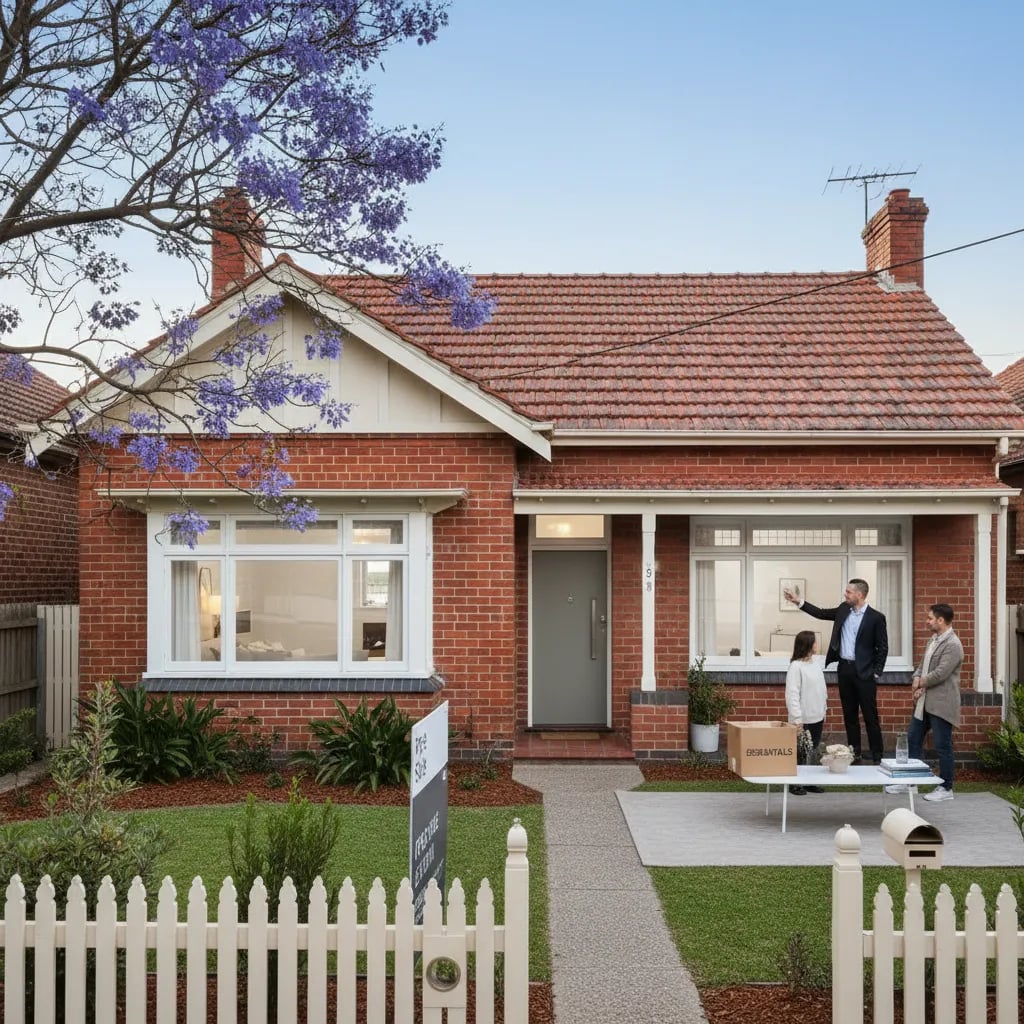

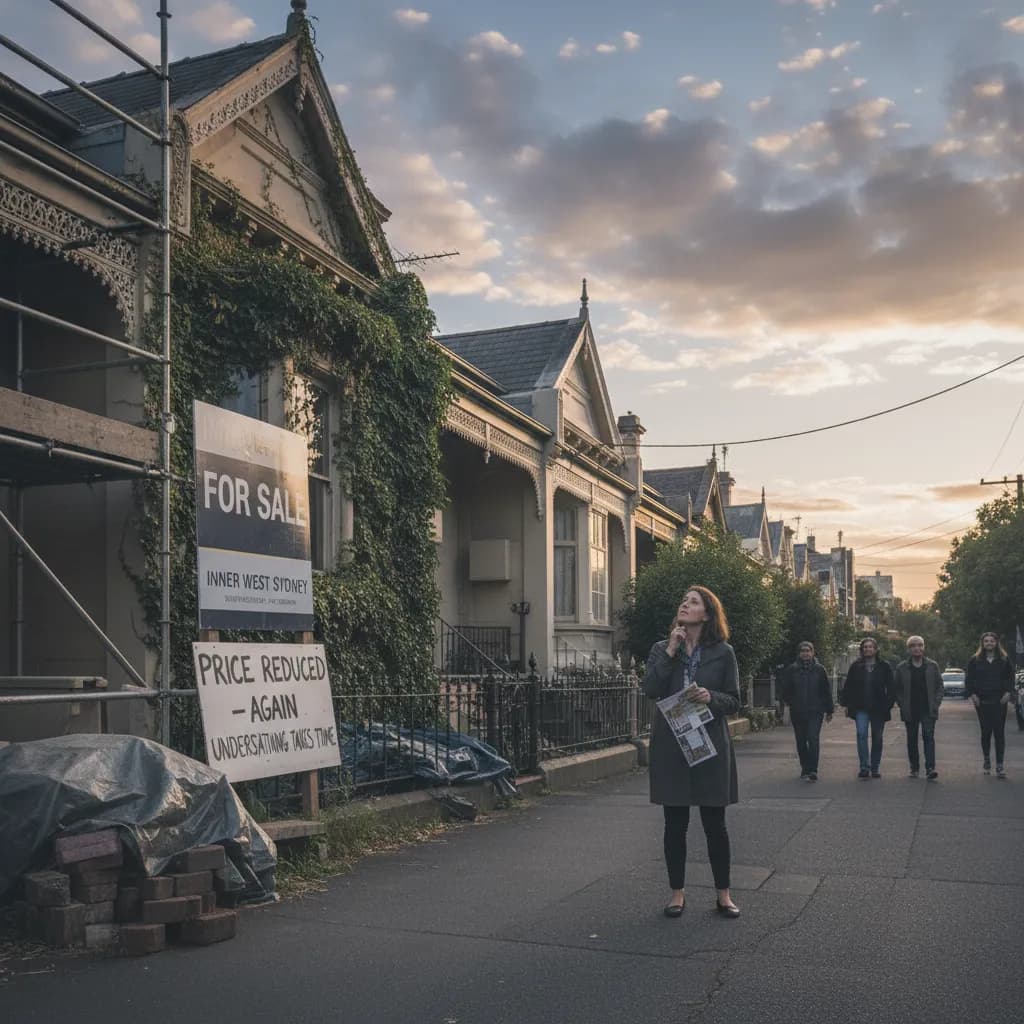
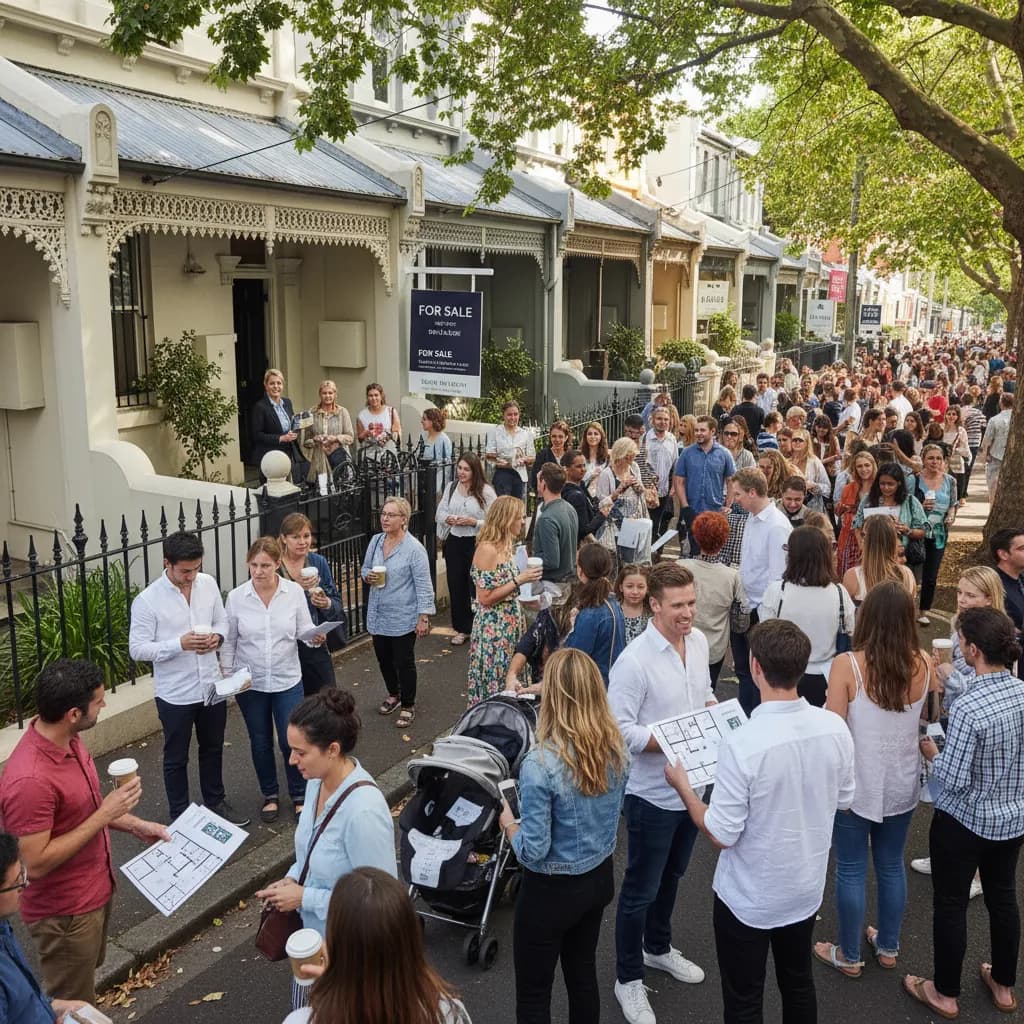
When Sarah from Marrickville decided to sell her quaint terrace, it wasn't a sudden choice sparked by market hype. Instead, it was the quiet change in weekend rhythms—morning walks replaced by packing boxes, favourite cafes discovered less often—that whispered a new chapter was beginning. Sydney homes, particularly in the inner pockets like the Inner West, often signal change in subtle yet telling ways before hitting the market. This article dives into these signals, compares differing lifestyle shifts across Sydney's suburbs, and unpacks what it all means for homeowners and buyers alike.
The Weekend Rituals That Hint at Change
In Sydney’s Inner West, homes rarely shout about change. Instead, they whisper it—especially on weekends, when the rhythms of daily life subtly shift. For many, these weekend rituals are the first home selling signs, hinting at a new chapter before any “For Sale” sign appears. Across suburbs like Marrickville, Dulwich Hill, and Petersham, these lifestyle shifts in Sydney are woven into the fabric of local routines, quietly signalling that a household may be preparing to move on.
How Weekend Routines Shift Before Selling
It’s not always the big gestures that reveal a homeowner’s readiness to sell. More often, it’s the gentle ebb and flow of weekend life that hints at change. In the Inner West, Saturdays and Sundays are sacred for leisure—think bustling farmers’ markets, children’s soccer in leafy parks, and long brunches at local cafes. But when a family is contemplating a move, these patterns can start to change in subtle ways.
- Fewer social gatherings: The backyard barbecue, once a regular fixture, happens less often.
- Less time at local haunts: Visits to the neighbourhood café or park become sporadic.
- More weekends spent away: Homeowners might use weekends for house-hunting or exploring new suburbs.
These small tweaks aren’t just about being busy—they’re emotional signals, reflecting a gradual detachment from the community and routines that once defined home.
Real-Life Example: The Dulwich Hill Family Barbecue
Consider the Tran family in Dulwich Hill. For years, their home was the heart of weekend gatherings, with the scent of sizzling sausages drifting over the fence every Sunday. But as their decision to sell grew firmer, neighbours noticed the barbecues became rare. Instead, the family spent weekends visiting open homes in the Northern Beaches, or quietly sorting through belongings in the garage. “We didn’t even realise we’d stopped inviting people over,” Mrs Tran shared. “It just happened as we started thinking about what’s next.”
Local Cafes, Parks, and Community Events: Markers of Lifestyle Change
In Marrickville, the local café scene is a barometer for lifestyle shifts Sydney-wide. Regulars who once claimed the same table each Saturday might suddenly be missing, their absence noted by baristas and neighbours alike. Petersham’s community markets, too, see familiar faces fade as families prepare for new adventures elsewhere. These changes are rarely dramatic, but they’re noticed by those who pay attention.
Jane Mitchell, a Sydney Property Analyst, puts it simply:
Homes tell stories beyond price tags; it's the weekend stories that often reveal the heart of change.
Why These Rituals Matter: The Emotional Side of Moving On
For Inner West homeowners, modifying weekend routines isn’t just practical—it’s deeply emotional. The act of stepping back from local events, or skipping a regular café visit, is often a way of preparing for the transition ahead. It’s a gentle letting go, allowing space for new routines to form elsewhere.
These lifestyle shifts Sydney residents experience are rarely rushed. Unlike the frenzied pace of the property market, the decision to sell is often slow and considered, reflected in the gradual withdrawal from community life. This is especially true in the Inner West, where strong neighbourhood ties mean that moving on is as much about heart as it is about housing.
Weekend Patterns and the NSW Selling Process
Across New South Wales, timing the sale of a home is influenced by more than just market data. Lifestyle demand, school terms, and even the weather can affect when a property is listed. But in the Inner West, it’s the weekend patterns—the quiet weekends in, the missed markets, the empty barbecue decks—that often signal a home is about to change hands. These are the intangible signals that seasoned locals and savvy agents watch for, long before the first inspection is booked.
FAQs: Recognising Home Selling Signs in Sydney’s Inner West
- Q: How can I tell if my neighbours are preparing to sell?
A: Look for subtle changes in their weekend routines—fewer social events, less engagement with local activities, and more time spent away from home. - Q: Do all suburbs show these signs in the same way?
A: No. Each Inner West suburb has its own character, but reduced local engagement is a common thread. - Q: Why do these lifestyle shifts matter?
A: They reflect the emotional journey of moving, often preceding any formal selling activity.
Comparing Sydney Suburbs: Inner West vs. Outer West Weekend Patterns
Sydney’s suburbs each have their own rhythm, but nowhere is this more obvious than in the contrast between the Inner West and the rapidly expanding Outer West. On weekends, these differences are on full display, quietly signalling not just lifestyle preferences but also subtle shifts in the property market. The way people spend their Saturdays and Sundays—whether in a Marrickville terrace or a Liverpool townhouse—offers clues about changing priorities, community identity, and even the next wave of property demand.
Weekend Life Along the Inner West Line
The Inner West has long been a patchwork of heritage terraces, boutique apartments, and leafy streets. Here, the Inner West Line isn’t just a transport route—it’s a lifeline that shapes weekend routines. With recent upgrades and increased frequency, the train line has made it easier for residents to move between suburbs, boosting the appeal of car-free living and supporting a café culture that thrives on accessibility.
On a typical Saturday, Marrickville’s streets hum with locals heading to organic markets, vintage shops, or riverside parks. Families in Federation homes stroll to playgrounds, while young couples in boutique apartments gather at microbreweries. The terrace houses, often with small courtyards, encourage residents to venture out, making the neighbourhood itself an extension of their living space. These patterns reflect a community that values walkability, local business, and shared spaces—an identity that has only grown stronger with gentrification.
“Transport and community vibes shape not just how people live on weekends but also how they view their homes’ futures.” – Paul Thomas, Urban Planner
Gentrification and Subtle Signals of Change
Gentrification in the Inner West has brought waves of new residents, each influencing the weekend scene. As older homes are renovated and new boutique apartments rise, the area’s social fabric shifts. Locals might notice more yoga studios, art galleries, and specialty grocers popping up. These changes, while gradual, often signal that homeowners are preparing for future sales—upgrading kitchens, landscaping gardens, or simply refreshing façades. It’s a quiet whisper of change, as residents position their homes to catch the next wave of market momentum.
Outer West Growth: Townhouse Investments and New Routines
In contrast, Sydney’s Outer West—suburbs like Liverpool, Fairfield, and St Marys—has become a hotspot for townhouse investments and family-friendly developments. Here, the weekend pattern is shaped by growth corridors and major infrastructure projects, including the new airport and expanded rail links. These investments have brought steady 6-7% annual property price growth, drawing in buyers seeking space and value.
Weekends in the Outer West often revolve around large parks, sporting fields, and shopping centres. Families in new townhouses or house-and-land packages gather for barbecues, soccer matches, or trips to sprawling retail hubs. The homes themselves—often larger, with private backyards—encourage gatherings at home, but the new transport connections are starting to shift routines. As the Outer West Line expands, more residents are venturing into the city or exploring neighbouring suburbs, gradually adopting some of the lifestyle patterns seen in the Inner West.
Community Identity and Market Momentum
Community identity in the Outer West is evolving, shaped by a mix of long-time locals and new arrivals attracted by affordability and infrastructure. As new schools, parks, and shopping precincts open, the area’s appeal grows. This is reflected in the property market, where demand for townhouses and family homes is strong. Investors watch closely for signs—like increased weekend foot traffic at display villages or a surge in local café openings—that signal rising demand and future price growth.
Weekend Patterns as Market Signals
Across both regions, weekend routines offer a window into the future of Sydney’s property market. In the Inner West, the buzz of Saturday markets and the steady hum along the Inner West Line reveal a community in transition, where lifestyle upgrades often precede a sale. In the Outer West, the growth in family activities and townhouse developments mirrors the momentum of new infrastructure and steady price rises.
As Paul Thomas notes, “Transport and community vibes shape not just how people live on weekends but also how they view their homes’ futures.” Whether it’s a terrace in Marrickville or a townhouse in Liverpool, the way Sydneysiders spend their weekends quietly hints at the next chapter for both their homes and their suburbs.

Decoding Inner West Housing Types as Lifestyle Markers
In Sydney’s Inner West, the homes themselves quietly signal when change is coming. The shape of a home often shapes its story — and the story of its owners when change comes. – Lucy Chen, Real Estate Consultant. Each housing type, from classic terraces to modern boutique apartments, acts as a subtle marker of lifestyle and hints at the next chapter for its residents. By looking closer at the weekend rhythms and community patterns across suburbs like Petersham and Marrickville, it’s possible to decode how these homes whisper change before the ‘For Sale’ sign appears.
Terraces: The Social Heartbeat of the Inner West
Terrace houses are the backbone of many Inner West suburbs. Their narrow frontages and deep layouts encourage a unique blend of privacy and neighbourly connection. On weekends, the front verandahs come alive with morning coffees, while backyards host family barbecues or impromptu catch-ups over the fence. In Petersham, for example, the classic terrace rows see residents strolling to the local bakery or gathering at the park, reflecting a lifestyle built on walkability and community ties.
When families outgrow these spaces or seek more privacy, the subtle signs emerge: a new pram in the hallway, a growing collection of bikes, or renovations hinting at an impending sale. These lifestyle shifts often precede a move to larger homes or townhouses, especially as median house prices in Sydney hover around $1.75 million and are tipped to rise above $2 million by 2026-27. The terrace, once perfect for a couple or young family, becomes a stepping stone to the next stage.
Townhouse Investments: Balancing Affordability and Lifestyle
Townhouses in the Inner West and middle ring suburbs are in high demand, prized for their blend of space, affordability, and low-maintenance living. These homes appeal to buyers seeking a lifestyle upgrade without the price tag of a freestanding house. In Marrickville, new townhouse developments attract young professionals and growing families who want a backyard for kids but also value being close to cafes and transport.
Weekend life in a townhouse complex often centres around shared green spaces, communal gardens, or nearby parks. Residents might be seen tending veggie patches or organising playdates, reflecting a desire for both privacy and community. The popularity of townhouse investments is driven by this lifestyle demand, with strong growth in both price and rental returns. For sellers, the decision to move on is often linked to changing family needs or the lure of further capital gains as the market climbs.
Boutique Apartments: Resilience Below Replacement Cost
Boutique apartments, especially those trading below replacement cost, are a resilient segment in the Inner West property market. These smaller, low-rise buildings offer a different kind of lifestyle marker—one that values convenience, security, and lock-up-and-leave living. In suburbs like Petersham, boutique apartments attract downsizers, singles, and young couples who spend weekends exploring local eateries or cycling along the Cooks River.
Unlike larger developments, these apartments foster close-knit communities, with residents often gathering in shared courtyards or rooftop gardens. Their affordability compared to houses and townhouses makes them an attractive entry point, especially as median house prices continue to climb. Sellers here are often motivated by life transitions—downsizing after children leave home, or moving closer to family—rather than financial pressure, reflecting the stability of this housing type.
Middle Ring Suburbs: Affordability Meets Lifestyle
The middle ring of Sydney’s Inner West, including suburbs like Dulwich Hill and Ashfield, offers a sweet spot for buyers and sellers alike. Here, townhouses and boutique apartments provide a balance between affordability and lifestyle appeal. Residents enjoy leafy streets, multicultural dining, and easy access to the city, making these suburbs popular with both first-home buyers and investors.
Weekend patterns in these areas reveal a blend of family outings, market visits, and community events. The housing form—whether a modern townhouse or a character-filled apartment—shapes how residents interact with their neighbourhood and each other. As median house prices edge higher, these middle ring suburbs become even more attractive for those seeking value without sacrificing lifestyle.
The shape of a home often shapes its story — and the story of its owners when change comes. – Lucy Chen, Real Estate Consultant
In the Inner West, every housing type tells a story about its residents and their evolving needs. Whether it’s the social terrace, the family-friendly townhouse, or the resilient boutique apartment, these homes quietly signal when it’s time for a new chapter—long before a sale is ever announced.
NSW Property Market Overview and Selling FAQs
In the heart of Sydney, change often arrives quietly. Streets in the Inner West, from leafy Annandale to the bustling terraces of Newtown, whisper of new beginnings long before ‘For Sale’ signs appear. These subtle signals—weekend open homes, shifting café crowds, or a fresh coat of paint on a Federation façade—hint at the evolving rhythms of the NSW property market. Understanding these cues, alongside the latest market data, is essential for anyone considering selling in Sydney or beyond.
Current Selling Climate in NSW: Sydney in Focus
The NSW property market remains dynamic, shaped by a blend of infrastructure investment, supply constraints, and robust buyer demand. Sydney’s median house price now sits at $1.75 million, with projections suggesting it could surpass $2 million by 2026-27. This growth is not uniform: while the Inner West sees steady demand for character homes and apartments, the Outer West is experiencing annual growth rates of 6-7%, fuelled by new transport links and affordable family housing.
Apartment rents are also on the rise, with forecasts indicating a 24% increase from 2025 to 2030. Vacancy rates have tightened, dropping from 2.0% to 1.2%, making it a landlord’s market and adding further pressure on buyers to act quickly.
How Rate Cuts and Wealth Transfer Are Shaping Buyer Activity
Recent rate cuts have breathed fresh life into the market, reducing borrowing costs and encouraging both upgraders and first home buyers in NSW. Lower rates, combined with government-backed deposit schemes, have made it possible for more buyers to enter the market with as little as a 5% deposit. This is particularly significant in suburbs like Marrickville and Dulwich Hill, where younger buyers are now competing with established families for classic semis and townhouses.
Another key trend is the inter-generational transfer of wealth. Parents are increasingly helping their children onto the property ladder, especially in high-demand areas. As Emma Watson, Property Market Strategist, notes:
“Understanding the market beyond the numbers is key to timing your sale right.”
Government Incentives and First Home Buyer Support
New government initiatives are reshaping the NSW selling guide for both buyers and sellers. Shared equity schemes and first home buyer grants are increasing participation, especially in the apartment market. These incentives are particularly attractive in suburbs with a mix of housing types, such as Ashfield’s art deco flats and Leichhardt’s weatherboard cottages, where entry-level buyers are eager to secure a foothold.
FAQs: Selling Your Sydney Home
-
When is the best time to sell?
Traditionally, spring and early autumn see the most activity. However, in the Inner West, lifestyle shifts—like families upsizing after school holidays or downsizers listing post-retirement—often drive off-peak listings. -
How do I price my home?
Consider recent sales of similar properties and current median house prices. Local agents can provide suburb-specific insights, factoring in unique features and market momentum. -
What market signals should I watch for?
Beyond auction clearance rates, watch for subtle signs: more weekend inspections, new families at local parks, or increased renovations in your street. These often precede a wave of listings. -
How do rate cuts affect my sale?
Lower rates increase buyer borrowing power, often leading to faster sales and stronger prices—especially in high-demand pockets of Sydney. -
What support is available for first home buyers?
NSW offers deposit schemes, stamp duty concessions, and shared equity programs, making it easier for new entrants to compete—especially in suburbs with a mix of apartments and smaller homes.
Recognising Non-Obvious Market Signals Before Listing
Inner West homeowners often notice the signs of change before the market headlines catch up. A surge in Saturday morning foot traffic, new families moving in, or even a neighbour quietly updating their garden can signal a shift. These lifestyle patterns—unique to each suburb—offer clues for those considering when to list. As the NSW property market continues to evolve, staying attuned to these local whispers can make all the difference in timing your next move.
Wild Card: The Suburb as a Living Journal
Imagine strolling through Sydney’s Inner West on a Saturday morning. The air is thick with the scent of fresh bread from a corner bakery, and the footpaths are alive with neighbours chatting over coffee. In this moment, the suburb itself feels less like a collection of houses and more like a living, breathing journal—each street and terrace a page, every resident a storyteller. As Margaret Ellis, Cultural Geographer, puts it:
Every home has a story; every suburb its own script waiting to be told.
Weekend Patterns: The Unwritten Chapters
Across the Inner West, weekend routines quietly reveal the evolving desires and dreams of their communities. In Newtown, the hum of vintage markets and the swirl of street art signal a suburb in constant creative motion. Families spill out of weatherboard cottages, prams and dogs in tow, weaving through the crowd at the local organic grocer. Meanwhile, in Balmain, sandstone terraces host backyard brunches, and the clink of glasses from heritage pubs hints at a blend of old and new residents sharing stories.
These patterns are more than just habits—they’re the suburb’s way of whispering its own narrative of change. When a new yoga studio opens in Marrickville or a pop-up art show appears in Dulwich Hill, it’s a sign that lifestyle demand is shifting. Locals notice these subtle cues long before a ‘For Sale’ sign appears on a front lawn.
Housing Types: The Architecture of Memory
Each Inner West housing type—be it a Federation semi, a converted warehouse, or a post-war apartment—holds its own chapter in the suburb’s story. Federation homes in Stanmore might recall decades of family gatherings, while the industrial bones of a Petersham warehouse conversion echo the area’s manufacturing past, now softened by the laughter of young professionals. These buildings are more than bricks and mortar; they’re memory keepers, quietly adapting as gentrification areas transform with new arrivals and shifting aspirations.
If Homes Could Write Their Own Memoirs
What if homes could pen their own pre-sale memoirs? A terrace in Erskineville might recount the transition from student share house to young family haven, noting the subtle changes: a new veggie patch, a pram by the door, the sound of children’s laughter replacing late-night music. An apartment in Leichhardt could describe the ebb and flow of renters and owners, each leaving their mark in the form of painted walls, balcony gardens, or a well-loved bookshelf left behind.
Through these imagined memoirs, we see how emotional and social dimensions complement the economic signals of the property market. The decision to sell is rarely just about price—it’s about the end of one chapter and the anticipation of another.
Gentrification and Community Shifts: New Narratives Unfold
Gentrification areas across Sydney’s Inner West are rewriting suburb scripts in real time. As new cafes, microbreweries, and co-working spaces emerge, they draw in fresh characters and lifestyles. The old corner shop becomes a vegan bakery; the local park hosts twilight food markets. These changes aren’t just economic—they’re deeply emotional, as long-time residents negotiate the bittersweet blend of nostalgia and excitement that comes with a changing neighbourhood.
Local Art, Markets, and Gatherings: Chapters in the Suburb’s Story
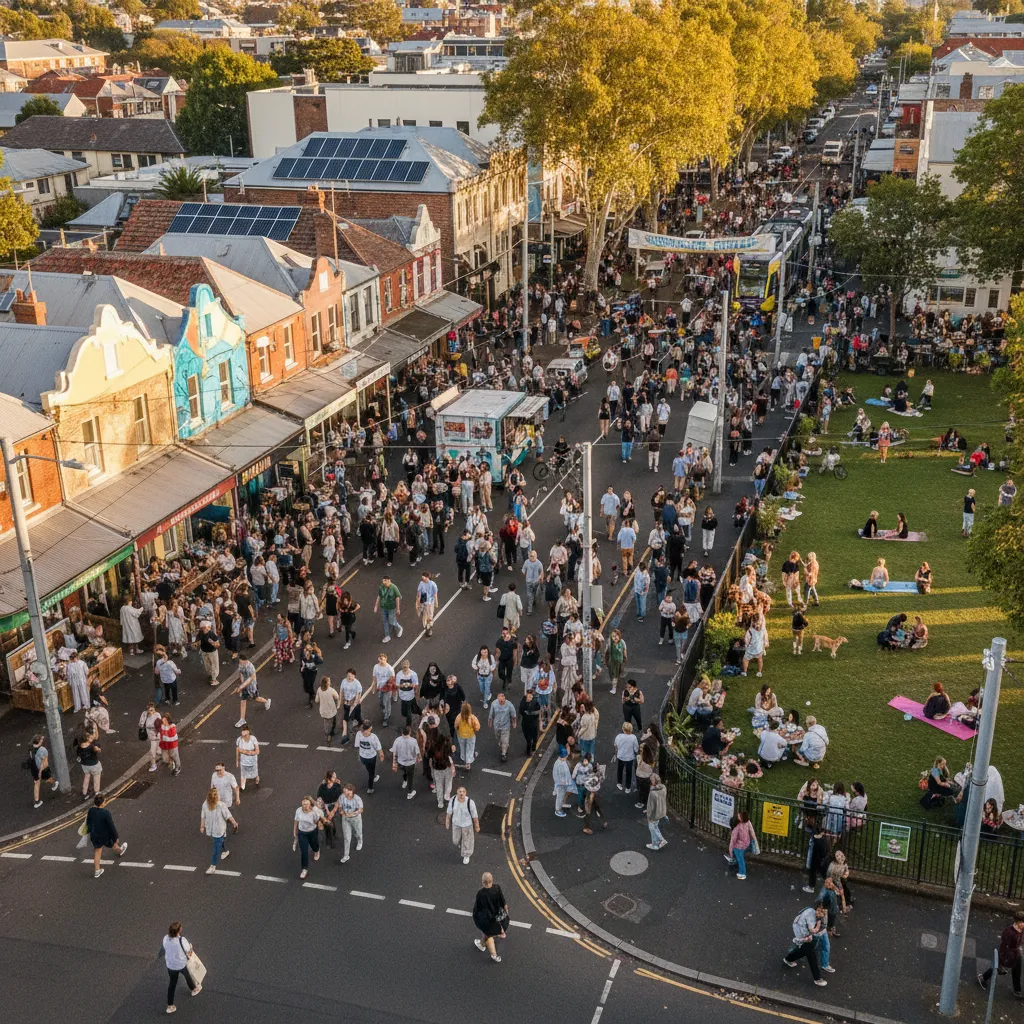
Every weekend market, mural, or community festival becomes a chapter in the suburb’s living journal. The Addison Road Markets in Marrickville, for example, are more than a place to buy produce—they’re a meeting point where stories are shared, friendships are forged, and the suburb’s evolving identity is on display. Street art in Enmore acts as a visual diary, capturing the hopes, protests, and celebrations of its residents.
Invitation: Listen for Your Suburb’s Quiet Signals
As you wander your own neighbourhood, consider the quiet signals of change. Is there a new mural on the wall? A different crowd at the local café? Perhaps a neighbour’s garden has been transformed, or the sound of music drifts from a once-silent backyard. These are the subtle whispers of a suburb writing its next chapter—a living journal of lifestyle demand, gentrification, and community spirit, waiting for you to read between the lines.
Conclusion: Listening to the Quiet Change
In the heart of Sydney’s Inner West, change rarely arrives with a bang. Instead, it tiptoes in on quiet Saturday mornings and lingers in the subtle shifts of weekend routines. As we’ve explored, the Sydney housing market is not just a collection of numbers and listings; it’s a living, breathing tapestry woven from the everyday lives of its residents. The signs that a home is preparing for sale are often gentle—an extra coat of paint, a garden suddenly blooming, or a family spending more time at local cafés than in their backyard. These are the quiet signals, the ones that speak volumes if you know how to listen.
Across the Inner West, from the bustling terraces of Newtown to the leafy streets of Haberfield, each suburb reveals its own rhythm of change. In Annandale, a row of townhouses might see fewer bikes on the front porch as children grow up and families contemplate their next chapter. Over in Balmain, the clink of glasses at the local pub on a Sunday afternoon might be replaced by the hum of open house conversations. Even in the quieter corners of Dulwich Hill, a sudden interest in decluttering or a new coat of paint on a classic Federation home can hint at a family readying for something new.
These patterns are not just about bricks and mortar; they’re about the lifestyles that shape our communities. The lifestyle shifts Sydney experiences are reflected in the way people use their homes and neighbourhoods. A young couple in Marrickville might start spending weekends at farmers’ markets, hinting at a desire for more space or a different pace. An older couple in Ashfield may begin to downsize their garden, quietly signalling a move to something more manageable. Each suburb, each street, and each home has its own way of whispering change.
Understanding these home selling signs requires more than just market knowledge. It’s about reading the room—recognising the importance of community, housing type, and the broader market context. A terrace in Petersham might signal change differently to a modern apartment in Rhodes or a heritage cottage in Summer Hill. The holistic view—one that considers not just the property but the people and their patterns—offers a deeper understanding of when and why homes come onto the market.
For homeowners, this is a gentle reminder that intent and readiness matter more than rushing into a decision. The Sydney housing market can feel fast-paced and competitive, but the most successful moves are those made with care and clarity. Embracing the quiet signals—those moments of reflection on a Sunday morning, the urge to refresh a tired room, or the growing sense that it’s time for a new adventure—can lead to more confident and satisfying outcomes. There’s no need to hurry; the market will always be there, but your readiness is uniquely yours.
For buyers and sellers alike, tuning into these subtle signs can be invaluable. Buyers who pay attention to weekend patterns and lifestyle shifts can spot opportunities before they hit the open market. Sellers who listen to their own rhythms and those of their community can time their move for maximum benefit, both emotionally and financially. As Simon Burke, Real Estate Writer, so aptly puts it:
Property markets may hum with figures, but it’s the hushed signals that truly guide us.
In the end, the property market is not just a ledger of transactions—it’s a collection of stories about change, belonging, and the search for home. Every open home, every freshly painted fence, every shift in the weekend vibe is part of a larger narrative. By listening to these quiet changes, we gain a richer, more human understanding of what drives the Sydney housing market.
So next weekend, take a moment to notice your own routines. Are you lingering longer at the local café, or eyeing a new suburb on your morning walk? Maybe your home is whispering a change of its own. In Sydney, the most important signals are often the quietest—waiting for those who know how to listen.