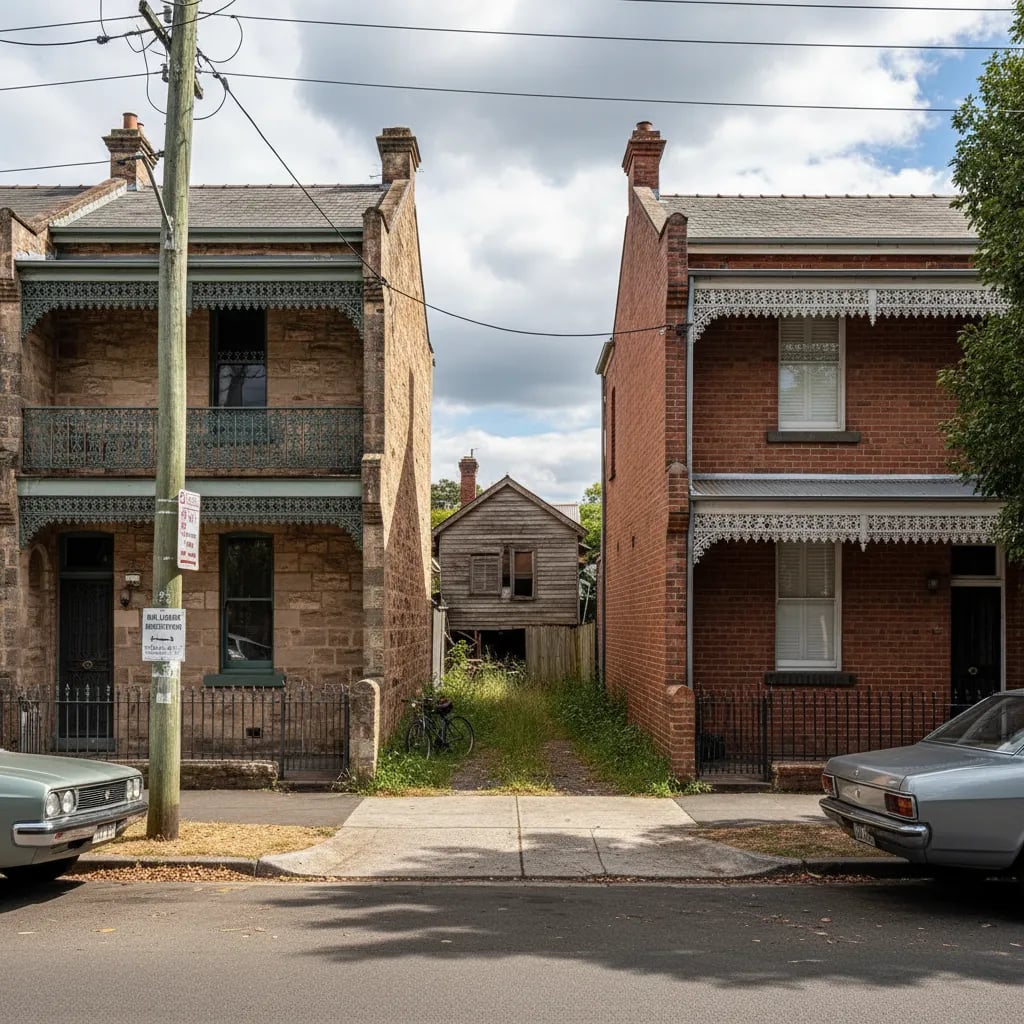



In the heart of Sydney's Inner West, many homes carry hidden stories beneath their charming facades. Imagine Jane, a first-time buyer in Marrickville, who noticed subtle cracks but didn't know where to look next. This guide unravels the quiet signals of misalignment in homes across Balmain to Rozelle, offering practical advice to empower your property journey without panic or guesswork.
Unseen Signs: How Home Misalignment Manifests in Inner West Properties
In the heart of Inner West Sydney, from the leafy streets of Annandale to the bustling lanes of Marrickville, homes often whisper their troubles before they shout. For buyers and owners alike, recognising the subtle signs of home misalignment can mean the difference between a confident purchase and a costly mistake. As Simon Hayes, Structural Engineer, puts it:
‘Understanding the subtle cues of home misalignment can save buyers from costly surprises.’
Cracks in Foundations and Walls: The Tale of Older Terraces and Detached Homes
Step into a classic Balmain terrace or a freestanding Leichhardt home, and you’ll often see the first hints of misalignment etched into the walls. Fine, zig-zagging cracks above doors or windows, or wider gaps snaking along the skirting, are more than cosmetic flaws—they’re signals of shifting foundations. In suburbs like Leichhardt and Marrickville, where much of the housing stock dates back to the early 20th century, these cracks are especially common. The region’s high clay content means foundations are constantly expanding and contracting, putting pressure on old brickwork and mortar.
Uneven Floors and Door Frames: Marrickville Blocks and Leichhardt Suburb Standouts
In many Marrickville blocks and Leichhardt suburb homes, uneven floors are a tell-tale sign of deeper issues. You might notice a marble rolling across the room or doors that stick and refuse to close. These quirks are often dismissed as ‘old home charm’, but they can point to significant misalignment. Over decades, timber joists warp and settle, especially when the underlying soil shifts. In homes where renovations have been piecemeal, mismatched floor levels between old and new sections can also reveal past attempts to mask these problems.
Old Plumbing: Annandale and Rozelle’s Hidden Strain
Annandale and Rozelle, known for their heritage cottages and Federation-era houses, often hide another source of misalignment: old plumbing. Pipes that have corroded or shifted can leak water into the soil, softening it and undermining the foundations. Over time, this leads to sagging floors, cracked tiles, and even bulging walls. In these suburbs, plumbing issues aren’t just a maintenance headache—they’re a structural risk, amplifying the effects of already unstable ground.
Differential Settling: Sydney’s Shifting Clay Soils
Sydney’s Inner West is notorious for its reactive clay soils. When it rains, the ground swells; during dry spells, it contracts. This cycle causes ‘differential settling’, where different parts of a house sink or rise at different rates. The result? Doors that won’t latch, windows that jam, and visible gaps between walls and ceilings. These signs are especially prevalent in older homes, but even newer builds aren’t immune if the soil wasn’t properly stabilised before construction.
Overlooked Signals: What Casual Buyers Miss During Inspections
Many buyers, especially first-timers, focus on fresh paint and modern kitchens, missing the subtle cues of misalignment. Look beyond the surface: check for hairline cracks, uneven skirting boards, or doors that don’t swing freely. Don’t forget to inspect under rugs for sloping floors, and open cupboards to spot any warping or separation from the wall. These early signals are your best defence against unexpected repair bills.
Multi-Unit Dwellings: Hidden Stresses in New Developments
With 40% of new housing in the Inner West now knock down rebuilds, multi-unit dwellings are on the rise. While these buildings often look flawless, their internal stresses can be harder to spot. Shared foundations mean that issues in one unit can affect others, but the signs—like minor cracks or sticking doors—may be masked by recent construction. Only a specialist inspection can reveal the true state of alignment in these complexes.
Checklist: Spotting Home Misalignment Without Commitment
- Look for cracks above windows, doors, and along skirting boards
- Test all doors and windows for smooth operation
- Check floors for unevenness or visible slopes
- Inspect plumbing under sinks and in wet areas for leaks or corrosion
- Lift rugs and move furniture to check for hidden floor issues
- Ask about the age of the plumbing and any past repairs
- Note any musty smells or damp patches, especially in older homes
FAQs: Home Misalignment in Inner West Sydney Homes
- Are cracks in old homes always a sign of serious misalignment? Not always, but wide or growing cracks deserve attention from a professional.
- Can plumbing issues really affect my home’s structure? Yes—leaks can soften soil and weaken foundations over time.
- Is misalignment more common in certain suburbs? Marrickville, Leichhardt, Annandale, and Rozelle often show more signs due to older housing and clay soils.
- Do new apartments have these issues? Sometimes, but signs are less obvious and may require specialist checks.
Suburb Snapshots: Comparing Misalignment Across Inner West Locales
‘Every suburb tells its own story through the cracks and shifts in its homes.’ This insight from property historian Harriet Lowe rings especially true in Sydney’s Inner West. Here, the landscape is a patchwork of heritage terraces, modern rebuilds, and everything in between. Each suburb—whether it’s Balmain, Rozelle, Annandale, Leichhardt, or Marrickville—carries its own signature of home misalignment, shaped by history, materials, and development trends. Understanding these local quirks is the key to spotting red flags early and making confident property decisions.
Balmain Property Tips: Sandstone Foundations and Heritage Stresses
Balmain’s charm lies in its heritage streetscapes, but these older homes often sit on sandstone foundations. Over time, sandstone can shift or erode, leading to unique stress patterns. Cracks may appear along mortar lines or at window sills, and uneven floors are common. The use of local materials means that misalignment here often shows up as subtle, creeping changes rather than sudden shifts. For buyers, a focused inspection is essential—look for hairline cracks in walls, doors that stick, or sloping floorboards. These are classic Balmain property tips for identifying early warning signs.
Rozelle Housing Issues: A Blend of Old and New
Rozelle is a suburb in transition, with modern apartments rising alongside weathered terraces. This mix complicates standard inspections, as newer builds and older homes present different misalignment signals. In older Rozelle terraces, watch for movement in brickwork and gaps at skirting boards. In newer developments, issues might be hidden behind fresh paint or recent renovations. Rozelle housing issues often require a dual approach: check for both heritage-related movement and shortcuts in recent construction. A thorough inspection should include both visual checks and, where possible, a review of building records.
Annandale Home Defects: Victorian Era Vulnerabilities
Annandale’s Victorian terraces are beloved for their character but are prone to age-related defects. Timber rot, shifting floors, and sagging ceilings are common, especially where original materials meet later additions. Annandale home defects often stem from moisture ingress or termite activity, which can accelerate misalignment. Look for bouncy floorboards, uneven steps, and visible warping in door frames. Specialist attention is often needed to assess these moveable structures, as repairs can be complex and costly.
Leichhardt Suburb: Knock Down Rebuilds and Shifting Landscapes
Leichhardt is experiencing a wave of knock down rebuilds, with more than 40% of new developments in the Inner West falling into this category. While new builds offer modern amenities, the process of demolition and reconstruction can disturb the stability of neighbouring properties. In the Leichhardt suburb, misalignment may show up as fresh cracks in party walls, changes in garden retaining walls, or uneven paving. It’s important to check not just the home you’re inspecting but also the surrounding properties for signs of recent movement.
Marrickville Blocks: Big Lots, Subtle Signals
Marrickville’s larger block sizes make it a hotspot for rebuilds and extensions. While this offers flexibility, it also means that misalignment can be masked by recent landscaping or renovations. Marrickville blocks may show hints of misalignment in the form of cracked driveways, shifting fences, or patchy brickwork. Even if a home looks freshly updated, it’s wise to check for subtle signs—such as doors that don’t close properly or windows that rattle in their frames.
Why Knowing Suburb Traits Matters
Each Inner West suburb has its own misalignment fingerprint, influenced by heritage, local materials, and development trends. Recognising these patterns helps buyers and sellers spot red flags early—before they become costly surprises. Early signals, like minor cracks or sticking doors, can support calmer, more confident property decisions.
Checklist: Observing Misalignment Without Commitment
- Walk the perimeter and look for cracks in exterior walls or paving.
- Open and close all doors and windows—note any sticking or unevenness.
- Check floors for slopes or bounciness, especially in older homes.
- Inspect skirting boards and cornices for gaps or separation.
- Review neighbouring properties for signs of recent movement or construction.
- Ask about the age of renovations and any previous structural work.
NSW Selling Pathway Overview
In New South Wales, sellers must disclose known defects, but buyers should always conduct their own due diligence. Pre-purchase building and pest inspections are standard, and understanding local misalignment trends can help buyers interpret these reports with greater confidence.
‘Every suburb tells its own story through the cracks and shifts in its homes.’ – Harriet Lowe, Property Historian
The Housing Lifecycle: How Life Stages and Property Types Show Misalignment
In the heart of Inner West Sydney, from Balmain’s leafy streets to Marrickville’s vibrant laneways, homes quietly reveal the story of their owners’ lives. The journey through different life stages—singlehood, family expansion, empty nesting, and retirement—often brings a shift in housing needs. Yet, the property types available don’t always keep pace, leading to what experts call “home misalignment.” This subtle mismatch between life stage and home design is especially visible in the diverse housing careers of Inner West Sydney residents.
How Detached Homes and Multi-Unit Dwellings Age Differently
Detached homes, the classic freestanding houses scattered across Annandale and Leichhardt, are known for their character and charm. However, as these homes age, they become more prone to foundation cracking and structural shifts. Unlike modern apartments, which benefit from newer construction techniques and materials, older detached homes can develop visible misalignment—think sloping floors, sticky doors, or cracks above windows—over decades.
Multi-unit dwellings, such as the apartments and townhouses rising in Rozelle and Marrickville, face a different set of challenges. While they’re less likely to suffer from major foundation issues early on, subtle misalignment can still creep in. Residents might overlook signs like uneven balcony railings or minor wall cracks, mistaking them for cosmetic issues. These signals are often missed, especially by young families busy with daily life or older residents accustomed to heritage quirks.
Life Stage Transitions and Their Impact on Housing Careers
As people move through life, their housing needs shift. Young couples may start in a compact apartment, but as their family grows, so does their need for space and functionality. Conversely, empty nesters often look to downsize, seeking low-maintenance living. This shift in preference is reflected in the Inner West, where housing career transitions from detached homes to apartments are increasingly common.
Emily Chen, an Urban Planner familiar with the area, puts it simply:
‘People’s housing needs evolve, and with them, the structural realities of their homes.’
When life stage changes outpace the home’s ability to adapt, misalignment becomes more visible. For example, a heritage home in Leichhardt may no longer suit a growing family’s needs, prompting thoughts of a knock down rebuild or a move to a newer, more energy efficient dwelling.
Anecdote: When Subtle Signals Spark Big Decisions
Take the story of Alex and Priya, a young couple in Leichhardt. After welcoming their first child, they noticed slight cracks forming near the skirting boards and a persistent draft in the nursery. Instead of patching up, they saw these as early signals of deeper misalignment. Their decision? A knock down rebuild, embracing new designs that offered both energy efficiency and space to grow. Their story is increasingly common—knock down rebuilds in the Inner West have surged by 40% in recent years, driven not just by structural issues but by the promise of modern living.
Energy Efficiency and New Designs: The Modern Motivation
Today, energy efficiency and contemporary design are major drawcards for Inner West Sydney homeowners. Older homes, while full of character, often struggle to meet modern expectations for thermal comfort and sustainability. New builds, on the other hand, offer improved insulation, double glazing, and smart layouts that reduce energy bills and environmental impact. For many, the appeal of a new design outweighs the effort of ongoing repairs, especially when life stage changes demand a fresh start.
Downsizing, Upsizing, and Changing Expectations
Whether moving up to accommodate a growing family or downsizing for retirement, expectations around property condition shift. Upsizers may tolerate more visible misalignment, seeing renovation potential, while downsizers often seek turnkey solutions with minimal maintenance. This dynamic plays out across suburbs like Balmain and Annandale, where a mix of heritage homes and sleek apartments cater to different points in the housing lifecycle.
Checklist: Spotting Early Signals of Home Misalignment
- Check for cracks above doors and windows in detached homes
- Test doors and windows for smooth operation
- Look for uneven floors or sloping surfaces
- Inspect balconies and common areas in multi-unit dwellings for subtle shifts
- Assess insulation, window quality, and energy efficiency features
- Consider whether the home’s layout matches your current and future needs
Observing these signals early, without committing to major works, can support calmer, more confident property decisions in Inner West Sydney homes.
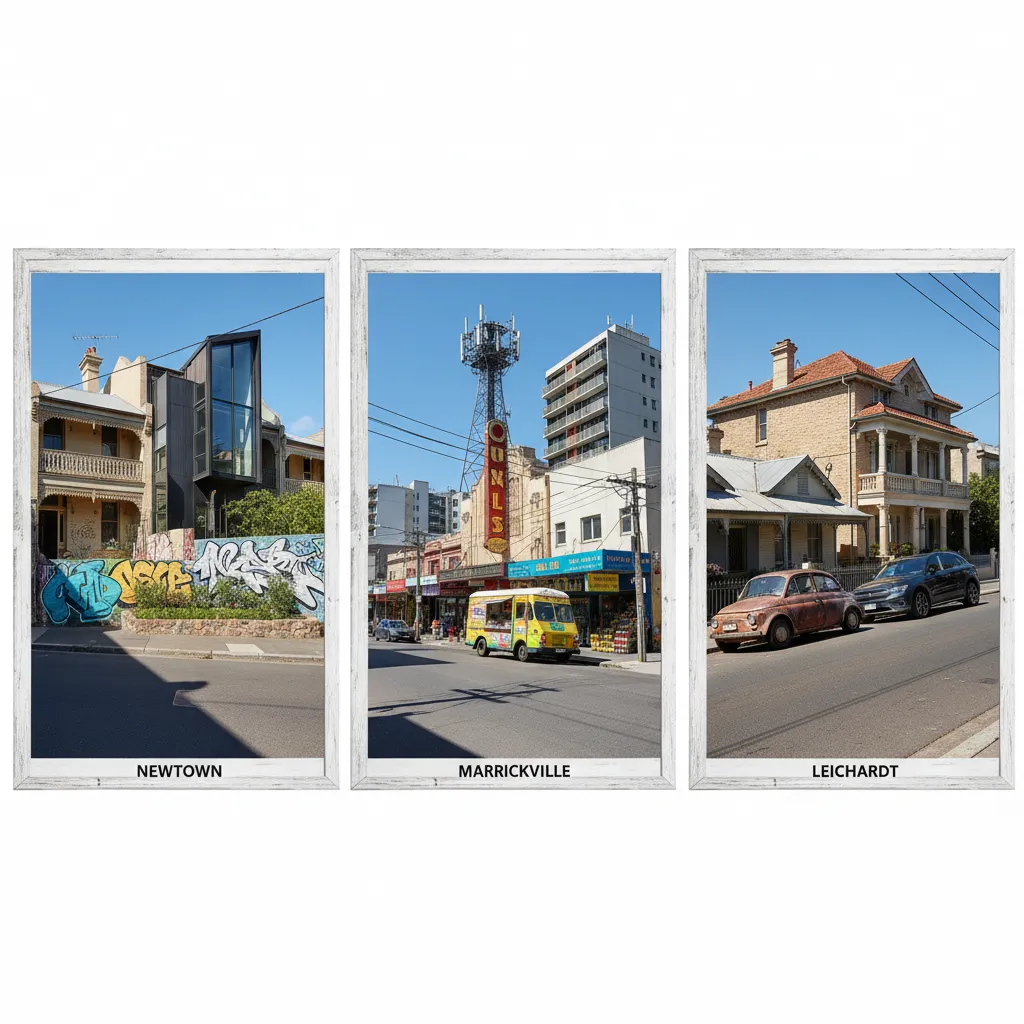
NSW Selling Pathway: A Calm Approach to Spotting Misalignment Without Commitment
In the heart of Sydney’s Inner West, from the leafy streets of Annandale to the vibrant lanes of Marrickville, homes hold stories—some visible, others hidden beneath the surface. For buyers and sellers alike, understanding the NSW selling pathway is about more than paperwork; it’s about making calm, informed decisions that safeguard your investment and peace of mind. Here’s how to spot home misalignment across suburbs like Balmain, Rozelle, Leichhardt, and beyond, using a step-by-step approach that avoids commitment until you’re confident.
Why the NSW Selling Pathway Matters
NSW regulations require sellers to disclose known issues, but the responsibility to check for misalignment falls squarely on the buyer’s shoulders. Rushing into a purchase can lead to costly surprises—especially as the Inner West Sydney homes market grows, with 31,000 new homes forecast under the Fairer Future Plan. Informed patience, as local agent Karen Morrison says, is key:
'Patience and proper checks are your best friends when navigating property purchases.' – Karen Morrison, Real Estate Agent
Basic Checks: Early Signals Without Commitment
Many misalignment issues can be spotted with simple, non-technical checks—no need to sign contracts or pay for detailed reports just yet. Here’s a checklist for your first walk-through:
- Visible Cracks: Look for cracks in walls, ceilings, and around doors or windows. Small hairline cracks are common, but wide or jagged cracks may signal structural movement.
- Water Damage: Check for stains, bubbling paint, or musty smells—especially in bathrooms, kitchens, and under windows. Water issues can weaken foundations over time.
- Uneven Floors: Walk through each room. If floors feel sloped or bouncy, it could indicate shifting foundations or poor subfloor support.
These basic checks are your first line of defence, catching many misalignment issues early and supporting calmer, more confident decisions.
Engage with Local Councils: Hidden Histories Revealed
Each Inner West suburb has its own character—and its own council records. Before making any commitment, contact the local council for:
- Development Applications: Past renovations or extensions may impact structural soundness. Councils can provide records of approved (or unapproved) works.
- Heritage Listings: In suburbs like Balmain and Leichhardt, heritage overlays may restrict repairs or modifications, affecting your ability to address misalignment.
These steps are especially important in older homes, where undocumented changes can hide long-term problems.
Professional Inspections: When to Call in the Experts
While basic checks catch many issues, some problems—like plumbing leaks or foundation movement—require a professional eye. Licensed building inspectors, plumbers, and structural engineers can provide detailed reports and cost estimates. This is crucial for complex cases, or if you’re considering a property with a history of renovations or extensions.
Skipping these inspections is a common pitfall. Recent reports show a rise in cracking homes across Sydney, often traced back to buyers who bypassed thorough checks in their rush to secure a property.
Personal Story: Dodging a Costly Pitfall in Annandale
Consider the story of Sarah, a first-time buyer in Annandale. She fell in love with a charming Federation home, but noticed slight sloping in the hallway. Instead of ignoring it, Sarah hired a structural engineer for a pre-purchase inspection. The engineer discovered significant subfloor movement—an expensive fix. Armed with this knowledge, Sarah walked away, saving herself from a financial headache and proving the value of patience and professional advice.
Checklist: Spotting Misalignment Without Commitment
- Walk through the property, noting visible cracks, water damage, and uneven floors.
- Ask the agent for a copy of the contract and any building or pest reports.
- Contact the local council for development and heritage records.
- If anything concerns you, arrange a professional inspection before making an offer.
- Take your time—don’t let pressure rush your decision.
FAQs: Calmly Navigating the NSW Selling Pathway
- Do I need to commit before checking for misalignment?
No. Basic checks and council research can be done before any legal commitment. - Are sellers required to disclose all issues?
They must disclose known issues, but buyers should always check independently. - Is a professional inspection worth the cost?
Yes—especially for older homes or if you spot any warning signs during your basic checks.
Wild Card: Analogies and Hypotheticals to Understand Home Misalignment
Spotting home misalignment signs in Sydney’s Inner West can feel daunting, especially when the clues are subtle and easy to overlook. To make sense of these complex issues, let’s lean on analogies and hypotheticals—tools that turn technical jargon into relatable stories. Whether you’re eyeing a terrace in Balmain, a federation home in Annandale, or a modern apartment in Marrickville, these creative comparisons will help you see what’s really going on beneath the surface.
Like a Tree After a Storm: The Subtle Bends
Imagine a tree in Leichhardt’s backstreets, battered by years of wind and rain. It doesn’t snap overnight; instead, it bends, twists, and grows unevenly. The same goes for houses. Over time, small shifts in soil, weather, and use can cause a home to settle unevenly. You might notice doors that don’t close, windows sticking, or floors that slope ever so slightly. These are the subtle bends—nature’s way of telling a story. Just as a tree’s lean hints at past storms, these signs quietly reveal a home’s history of stress and movement.
Hypothetical: Ignoring Foundational Checks for a Decade
Let’s play out a scenario: What if every home in Rozelle ignored foundational checks for ten years? Picture row after row of charming terraces, each with its own quirks. Without regular Sydney property checks, small cracks in plaster, minor leaks, or slight floor dips would go unnoticed. Over time, these issues compound. What starts as a hairline crack could become a gaping fissure; a minor leak could rot timber joists. By the time the problems are obvious, repairs are costly and disruptive. This hypothetical highlights why early signals matter—spotting them supports calmer, more confident property decisions and protects Inner West housing affordability by avoiding major repair bills.
Loose Threads in a Tailor-Made Suit
Think of a well-made suit, tailored to fit perfectly. Now, imagine a loose thread at the seam. At first, it’s barely noticeable. But if left unchecked, that thread can unravel the whole garment. Home misalignment is much the same. A small, visible flaw—like a crack above a doorframe—might be the only sign of a bigger, hidden risk. Just as a tailor would inspect every stitch, a savvy buyer should look for these “loose threads” during inspections. They’re not just cosmetic; they can signal deeper structural issues lurking out of sight.
The Slow Drip: Plumbing Leaks and Stone
Consider an old plumbing leak in an Annandale cottage. A slow drip, barely enough to notice, wears away at stone foundations over years. The damage isn’t sudden, but relentless. This analogy captures the slow progression of unnoticed home misalignment. It’s not always dramatic—sometimes it’s the gradual settling, the creeping damp, or the quiet expansion of a crack. By the time you see the results, the underlying cause has been at work for ages. Regular property checks are the only way to catch these issues before they become expensive headaches.
Wild Card Tip: The Stress of Multi-Unit Living
Now, picture a Marrickville apartment block, units stacked tight like books on a shelf. When one book leans, the rest feel the pressure. In multi-unit dwellings, misalignment in one section can stress the entire structure. Shared walls, floors, and foundations mean problems travel fast. If you’re considering strata living, imagine the ripple effect of a single unresolved issue—what starts in one unit can soon affect many. This wild card scenario reminds buyers to check not just their own lot, but the health of the whole building.
‘A subtle crack is like a whisper your home sends before a shout.’ – Michael Turner, Building Consultant
Analogies like these help buyers relate complex structural concepts to everyday experiences, making home misalignment signs easier to spot and understand. Hypotheticals, meanwhile, spark curiosity and encourage a precautionary mindset. The slow progression of unnoticed damage is a key concept for anyone navigating the Sydney property checks process—especially in the character-filled, ever-evolving Inner West.
FAQs: Clearing Common Doubts About Home Alignment in the Inner West
When it comes to buying or selling Inner West Sydney homes, questions about alignment and structural integrity are never far from mind. The area’s rich mix of heritage terraces, Federation cottages, and modern apartments means that misalignment issues can look different from Balmain to Marrickville. Here, we unravel the most common questions buyers and sellers have, offering clear, practical insights to help you spot problems early, make confident decisions, and understand how new policies like the Fairer Future Plan and Housing Affordability initiatives shape your options.
What exactly causes home misalignment in the Inner West?
Home misalignment in the Inner West is often the result of a combination of age, soil movement, and the area’s unique building history. Many homes in suburbs like Leichhardt and Annandale were built on clay-rich soils, which expand and contract with moisture changes. Over decades, this can lead to uneven settling, causing cracks, sloping floors, and sticking doors. Renovations and extensions—common in Rozelle and Balmain—sometimes add extra weight or disturb foundations, making existing issues worse. Even newer apartments in Marrickville aren’t immune, especially if built quickly during housing booms. Understanding these causes helps buyers look past fresh paint and spot the subtle signs of trouble.
How early can misalignment be detected during inspections?
Misalignment can often be detected at the very first inspection, if you know what to look for. Early signals include hairline cracks above doors and windows, uneven skirting boards, or doors that don’t close smoothly. In older homes, check for gaps where walls meet ceilings or floors, and listen for creaks when walking across rooms. These basic checks are easy for anyone to do, and they don’t require special equipment. For a more thorough assessment, professional building inspectors in Inner West Sydney use tools like laser levels and moisture meters to catch issues invisible to the naked eye. The sooner misalignment is spotted, the more options you have—whether it’s negotiating repairs or walking away before committing.
Are knock down rebuilds always the best option?
Knock down rebuilds are tempting, especially with the promise of a brand-new home in your favourite suburb. But they aren’t always the best or most affordable solution. In tightly held areas like Balmain or Annandale, heritage restrictions and narrow blocks can make rebuilding tricky and expensive. Sometimes, targeted repairs or partial renovations can restore alignment and preserve character, especially in Federation or Victorian-era homes. For buyers focused on housing affordability, it’s crucial to weigh the costs and benefits of each approach, and to consider how the Fairer Future Plan may influence what’s possible on your site.
What are key signs buyers should never ignore?
Some warning signs should always raise a red flag. Large diagonal cracks, especially those wider than a 5-cent coin, often signal serious movement. Floors that slope noticeably, windows that won’t open, or visible gaps between walls and floors can indicate foundation issues that may be costly to fix. Water stains, mould, or a musty smell suggest moisture problems, which can accelerate misalignment. If you spot any of these during your basic checks, it’s wise to seek a professional opinion before making an offer.
How does the Fairer Future Plan affect housing quality?
The NSW government’s Fairer Future Plan aims to boost housing affordability and quality by encouraging more sustainable, well-built homes. For Inner West Sydney homes, this means stricter building codes, better oversight of new developments, and incentives for energy efficiency. While these changes are positive, they also mean buyers should pay close attention to compliance certificates and recent renovation work. Properties built or renovated under these new guidelines are more likely to meet modern standards for alignment and structural integrity, giving buyers extra peace of mind.
Where to find trustworthy inspection services in Inner West Sydney?
Finding a reliable building inspector is crucial for peace of mind. Look for inspectors who are licensed with the NSW Fair Trading and have experience with the unique property types found in the Inner West. Local word-of-mouth, online reviews, and professional associations are good places to start. Many inspectors also offer pre-purchase reports tailored to the area’s older homes, helping you make informed decisions without committing too soon. Remember, a thorough inspection is a small investment compared to the cost of unexpected repairs down the track.
In summary, understanding home misalignment in Inner West Sydney is about more than spotting cracks—it’s about reading the subtle signals, knowing your options, and using the right resources. By asking the right questions and seeking expert advice, buyers and sellers alike can move forward with confidence, whether they’re drawn to a classic terrace in Leichhardt or a modern apartment in Marrickville. With the right knowledge and support, your next property decision can be both calm and well-informed.