

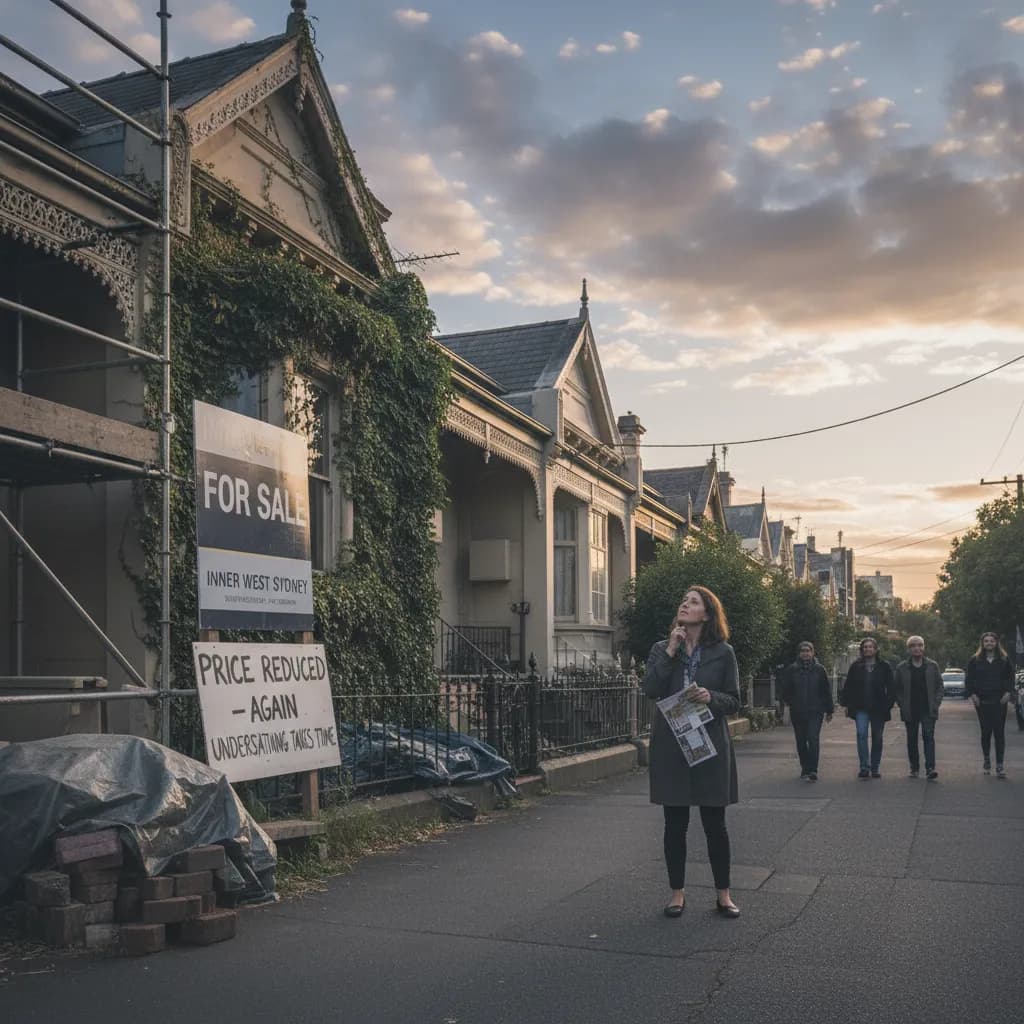
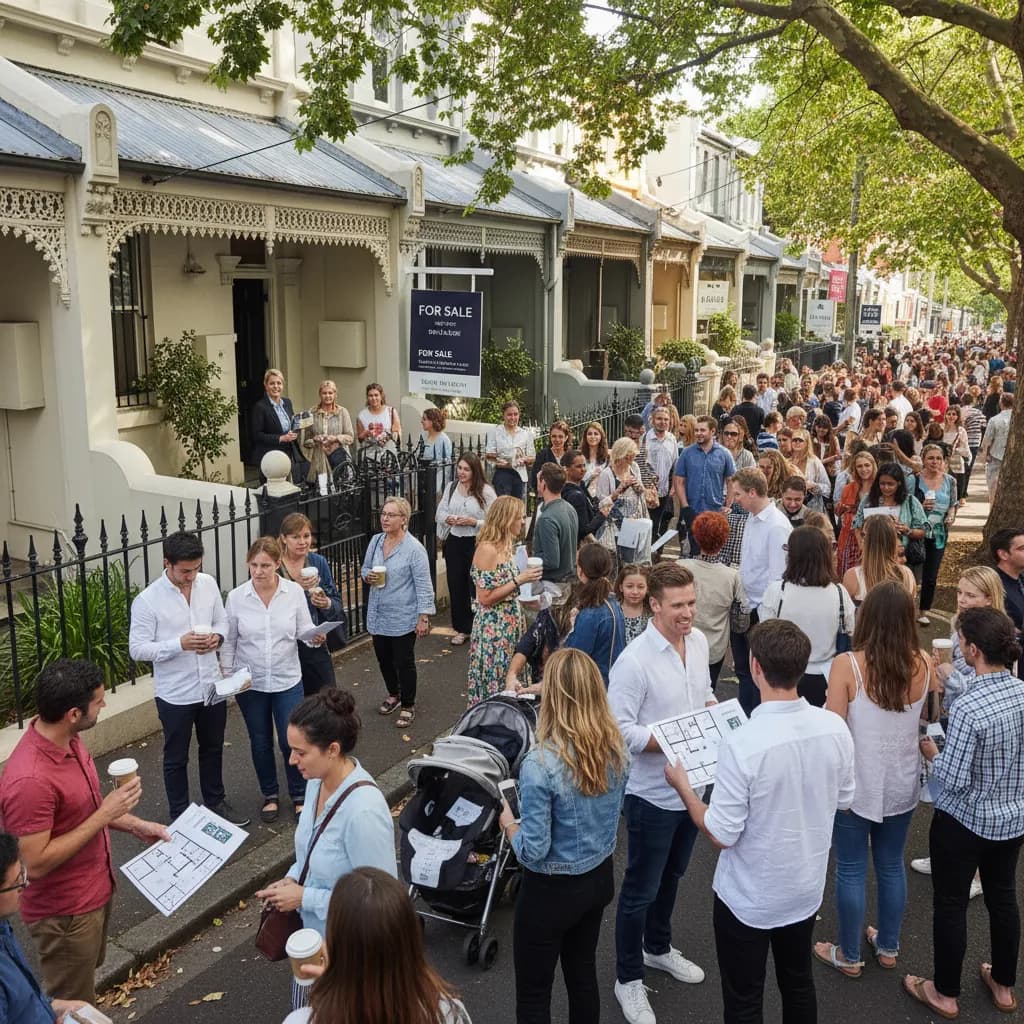
In Sydney's sprawling property scene, it’s rare to find a suburb that dances to its own beat quite like Balmain. Unlike the typical headlines screaming urgency or market frenzy, Balmain's buyers move with a steadier, more thoughtful rhythm. This post explores why street-by-street knowledge and lifestyle appeal outshine sweeping Sydney market trends here, helping locals make decisions that feel less reactive and more considered.
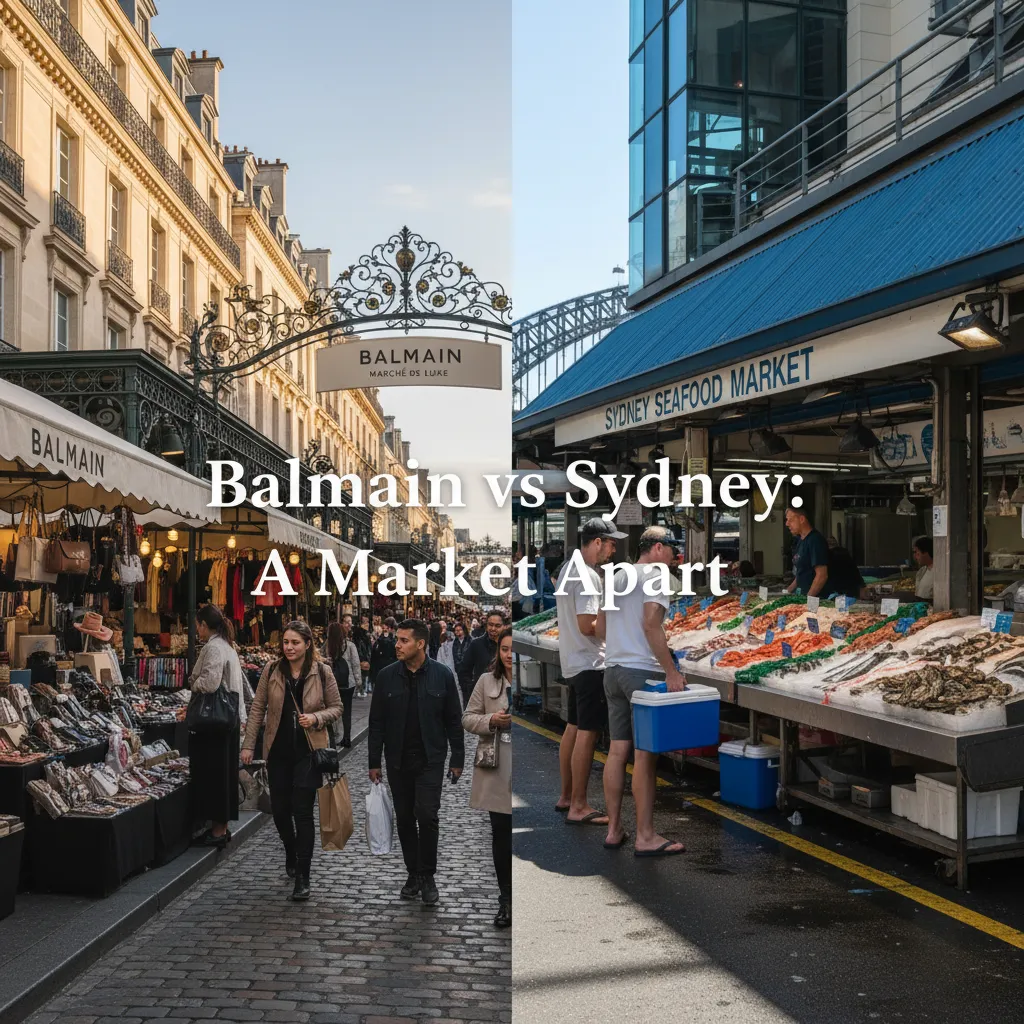
1. Balmain vs Sydney: A Market Apart
Across Sydney, property headlines often ring with urgency—rising interest rates, surging demand, and rapid price shifts. Yet, step into Balmain, and the tempo changes. Here, the Balmain property market moves to its own rhythm, shaped less by citywide trends and more by the unique lifestyle and emotional ties that define this historic peninsula.
Why Broad Headlines Miss the Mark
While Sydney house prices climbed 9% annually by September 2025, and the median house price Balmain reached approximately AUD $2.5 million, these statistics only tell part of the story. Balmain’s market is not simply a microcosm of Sydney’s; it’s a market apart. Local agents and residents alike see a disconnect between the urgency of citywide commentary and the grounded, considered approach of Balmain buyers.
‘Balmain buyers look beyond headlines; they seek lifestyle and community, not just a property.’ – Local real estate expert, Liz Cloran.
Lifestyle Over Price Volatility
In Balmain, buyers are drawn by more than capital growth rate Balmain or the latest price surge. The decision to buy is often slower and steadier, rooted in lifestyle fit and a deep sense of place. Walkability to Darling Street’s cafes and shops, ferry access for city commutes, and the charm of character homes are powerful motivators. Emotional attachment runs high—many residents are long-term owners, and homes are often passed down through generations.
- Walkability: Proximity to village hubs like Darling Street is a top priority.
- Transport: Easy access to ferries and buses influences buyer choices.
- Character: Heritage homes and leafy streets foster a strong sense of belonging.
Unlike the outer suburbs, where price swings can spark reactive buying and selling, Balmain’s market is steadier. The average days on market sits at just 17, and homes command a vendor premium of +3.05%, reflecting persistent demand even when broader activity slows.
Micro-Markets: Street by Street Differences
What truly sets Balmain apart is how buyer behaviour shifts from one street to the next. Micro-pockets matter—parking availability, street slope, natural light, noise levels, and proximity to village amenities all shape demand. A home on a quiet, sunlit street near the ferry will attract a different buyer profile than one closer to main roads or with limited parking.
Local agents note that buyers here are less reactive and more deliberate. Repeat inspections, detailed questions about heritage features, and a focus on lifestyle fit are common. It’s a market where emotional connection and practical needs outweigh short-term market noise.
What to Watch: Seller Insights Without Commitment
- Enquiry Quality: Are buyers asking about community, schools, or walkability?
- Repeat Inspections: Multiple visits often signal serious, considered interest.
- Questions Asked: Listen for queries about local amenities, transport, and heritage details.
- Rewarded Features: Note which home features—like outdoor space or parking—attract the most attention.
Process Anchors for Sellers
For those considering a sale, the NSW process remains steady: select an experienced local agent, decide on the best method of sale (auction or private treaty), and prepare contracts with a conveyancer or solicitor. This thoughtful approach matches Balmain’s measured pace.
Reflection Prompts & Noise vs Signal Checklist
- What lifestyle benefits does your property offer?
- Which features are buyers consistently responding to?
- Are you reacting to headlines or observing real local demand?
- Is your agent providing street-level insights, not just citywide stats?
2. Lifestyle-Driven Demand: The Heartbeat of Balmain
Balmain NSW 2041 is a suburb that dances to its own beat, often out of step with the broader Sydney property market. Here, the rhythm is set not by headlines or auction clearance rates, but by the daily lives and desires of those who call Balmain home. In this high-demand Inner West suburb, lifestyle-driven demand is the true heartbeat, shaping buyer behaviour street by street.
Walkability to Darling Street: The Everyday Luxury
Ask any local what matters most, and you’ll hear it again and again: walkability to Darling Street. This vibrant village spine is more than a shopping strip—it’s the social and cultural centre of Balmain. Cafés, boutiques, bakeries, and weekend markets create a lifestyle that’s hard to replicate elsewhere in Sydney. As one local resident and property investor puts it:
‘The walk from your door to Darling Street café can make or break a sale here.’
For buyers, the ability to stroll to their favourite coffee spot or pick up fresh bread on foot is a non-negotiable. Homes just a few streets further from the action can see noticeably different levels of interest, even if they’re architecturally similar.
Ferry Access: Waterfront Charm and City Convenience
Balmain’s unique geography, with its fingers of land reaching into Sydney Harbour, means ferry access is a daily reality for many. The ease of commuting to the CBD by water, combined with the romance of harbour views, adds a layer of appeal that’s hard to quantify but easy to feel. For some buyers, proximity to a ferry wharf is as important as a second bathroom or a renovated kitchen.
Character Homes and Emotional Attachment
Unlike newer suburbs, Balmain’s streets are lined with heritage terraces, weatherboard cottages, and grand Victorian homes. These properties attract long-term owners who form deep emotional ties to their homes and neighbourhood. It’s common to see families stay for decades, passing properties down through generations. This sense of place and continuity means that market cycles have less sway here; people sell when their lives change, not when the headlines say it’s time.
Micro-Pocket Differences: The Devil’s in the Detail
In Balmain, buyer behaviour can shift dramatically from one street to the next. Micro-features like:
- Parking availability (a premium on narrow streets)
- Street slope (flatter blocks are prized for accessibility)
- Natural light and aspect
- Noise levels (distance from main roads or pubs)
- Proximity to village hubs and parks
All these factors influence both the pace and price of sales. For example, a home with off-street parking and a level walk to Darling Street will often attract more interest than a similar property on a steep hill or with limited access.
What to Watch: Seller’s Checklist
- Enquiry quality: Are buyers asking thoughtful questions about lifestyle, not just price?
- Repeat inspections: Are people coming back for a second look?
- Feature focus: Which elements—walkability, ferry access, character—are getting the most attention?
- Questions asked: Are buyers curious about local schools, parks, or community events?
Process Anchors for Sellers
In NSW, the journey to a considered sale starts with choosing the right agent—one who knows Balmain’s micro-markets. Next, selecting a sale method (auction or private treaty) and preparing contracts with a conveyancer or solicitor ensures a smooth process, tailored to the suburb’s unique rhythm.
Reflection Prompts: Noise vs Signal
- Are you reacting to Sydney-wide headlines, or responding to what’s happening on your street?
- Which lifestyle features are buyers rewarding right now?
- How does your property’s micro-location stack up for walkability, ferry access, and character?
FAQs
- Q: Does the wider Sydney market impact Balmain prices?
A: Not directly—lifestyle and micro-location factors are stronger drivers here. - Q: What’s the median weekly rent in Balmain?
A: Houses: $1,150; Units: $700 (2024 data). - Q: Are rental yields strong?
A: Houses: 2.16%; Units: 3.25%—reflecting high demand for Inner West suburbs with lifestyle appeal.
3. Street-by-Street Buyer Behaviour and Micro-Pockets
Balmain’s property market is a world of its own, often moving to a rhythm that feels entirely disconnected from the broader Sydney property market. While headlines might shout about urgency or downturns, the reality on Balmain’s streets is far more nuanced. Here, buyer behaviour is shaped by hyper-local factors—sometimes varying dramatically from one block to the next. As one experienced Inner West agent puts it:
‘Knowing your street’s rhythm is gold for sellers.’
Why Balmain Ignores Sydney Property Headlines
It’s easy to assume that Balmain’s high demand areas will rise and fall in step with the wider Sydney market. Yet, what actually drives the median house price in Balmain is not just economic trends, but the unique lifestyle each micro-pocket offers. Buyers are drawn to the suburb for its walkability, ferry access, and the character of its heritage homes. But dig deeper, and you’ll find that even neighbouring streets can attract very different buyers, at different speeds, and for different reasons.
What Shapes Buyer Demand, Street by Street?
- Parking: Streets with off-street parking or easier permit access consistently attract more attention, especially from families and professionals.
- Slope and Accessibility: Gentle, level streets are favoured by downsizers and young families, while steeper streets may appeal to those seeking views but can limit buyer pools.
- Natural Light: Homes with north-facing aspects or open outlooks command a premium, and this can vary dramatically even within a few doors.
- Noise Levels: Quiet, tree-lined backstreets see faster sales compared to homes on busier thoroughfares or near late-night venues.
- Proximity to Village Hubs: Being within a short stroll of Darling Street’s cafes and shops, or the ferry wharf, can add significant value—but some buyers prefer the peace of a tucked-away laneway.
In the last 12 months, Balmain saw 124 houses and 83 units change hands, with houses averaging 50 days on market. Yet, these numbers mask the micro-differences: some homes sell in days, others linger for months, depending on their exact location and features.
Micro-Pockets: The Real Drivers of Demand
Micro-pockets—small clusters of streets with shared characteristics—dictate the pace and price of sales. For example, a quiet cul-de-sac with ample parking and leafy outlooks might see intense competition, while a busier street just metres away could experience slower movement. These subtle differences mean that sellers benefit from localised insights rather than relying on suburb-wide averages or Sydney property market headlines.
What to Watch: Seller’s Checklist for Reading the Market
- Enquiry Quality: Are buyers asking detailed questions about lifestyle features (e.g., walkability, parking, school zones)?
- Repeat Inspections: Multiple visits from the same buyers often signal genuine intent, especially in high demand areas.
- Feature Focus: Notice which aspects—light, garden, proximity to Darling Street—are drawing the most attention.
- Questions Asked: Listen for queries about noise, traffic, or future developments, as these reveal what matters most to buyers in your micro-pocket.
Process Anchor: Navigating the NSW Sale
For sellers, understanding your street’s unique appeal is the first step. The next is choosing the right agent—one with deep local knowledge. Consider the method of sale (auction or private treaty) that best suits your property’s micro-market, and ensure your contract is prepared by a qualified conveyancer or solicitor. These steps help steady expectations and support a more considered, less reactive selling experience.
Noise vs Signal: Reflection Prompts for Sellers
- Am I relying on Sydney-wide headlines, or am I tuned in to my street’s unique buyer behaviour?
- What features of my home are most valued in this micro-pocket?
- Is my agent providing localised insights, or just suburb averages?
In Balmain, understanding the micro-details is what transforms selling from stressful to strategic.
4. What Sellers Should Watch: Signals Without Commitment
In the Balmain property market, sellers are often bombarded by Sydney-wide headlines urging quick action or predicting dramatic shifts. Yet, Balmain’s unique rhythm means that the real signals of buyer competition intense enough to drive a sale are more subtle—and far more local. Understanding these signals, without feeling pressured to commit, is the key to thoughtful selling and successful property investment in Balmain.
Quality Over Quantity: Decoding Enquiries
It’s easy to get caught up in the number of enquiries a property receives, but as local agent Liz Cloran notes,
‘It’s not just about how many enquiries but the kind of questions asked.’In Balmain, serious buyers tend to ask about lifestyle specifics—walkability to Darling Street, ferry access for city commutes, or the character of a particular street. These questions go beyond the basics, revealing a buyer’s genuine intent and their alignment with the lifestyle Balmain offers.
- Enquiry Quality: Look for buyers who ask about local schools, noise levels, parking availability, or proximity to village hubs. These are signals of someone picturing their life in your home, not just browsing.
- Feature Focus: Properties with parking, natural light, or easy access to the ferry often attract more detailed questions—these features are consistently rewarded in buyer decisions.
Repeat Inspections: The Strongest Signal
In Balmain, where buyer competition can be intense but nuanced, repeat inspections are a powerful indicator. When a buyer returns—sometimes with family, sometimes at different times of day—they’re not just admiring the home; they’re testing how it fits into their daily life. This behaviour is especially common in tightly held streets or micro-pockets where parking, slope, and even sunlight can vary dramatically from one address to the next.
- Observation Tip: Track not just who comes through, but who comes back. Repeat visits often mean a buyer is moving from curiosity to commitment.
Questions That Matter: Reading Between the Lines
Beyond the obvious, the nature of questions asked during inspections can reveal what’s driving demand. Enquiries about local amenities, school catchments, or even the soundscape at night hint at a buyer’s priorities. In Balmain, where long-term ownership and emotional attachment are common, these questions often reflect a desire for a sense of place rather than a quick investment flip.
- Interpersonal Nuances: Notice the tone and detail of conversations. Genuine buyers will often linger, ask about neighbours, or want to know the story behind the home.
Tracking Patterns: Tempering Expectations
By observing the quality and pattern of enquiries, sellers can avoid the trap of reacting to every headline or market update. Instead, they can make decisions grounded in what’s actually happening on their street. This approach helps steady expectations and reduces the stress of selling in a market that doesn’t always follow Sydney’s broader trends.
Noise vs Signal: A Seller’s Checklist
- Are enquiries focused on lifestyle and local features?
- Do repeat inspections outnumber one-off visits?
- Are buyers asking about community, schools, and daily life?
- Which features are consistently drawing attention?
Practical Process Anchors
While observing these signals, sellers should also quietly prepare for the next steps: selecting a local agent who understands Balmain’s nuances, considering the best method of sale (auction or private treaty), and engaging a conveyancer or solicitor early for contract preparation. These steps don’t commit you to selling, but they ensure you’re ready if the right buyer emerges.
In Balmain, thoughtful observation—rather than reactive decision-making—gives sellers the edge in a market shaped by lifestyle, not headlines.
5. Navigating the NSW Selling Process Gently
In Balmain, the property market dances to its own rhythm—one that’s slower, more thoughtful, and deeply connected to lifestyle. While Sydney-wide headlines might shout urgency, Balmain sellers and buyers move to a more grounded beat. Navigating the NSW property market here means tuning out the noise and focusing on the signals that matter, street by street.
Agent Selection Balmain: The Local Advantage
Choosing the right agent is the first—and perhaps most important—step in the Balmain selling journey. Unlike broader Sydney, Balmain’s micro-pockets can shift dramatically from one block to the next. Walkability to Darling Street, ferry access, parking, slope, and even the way sunlight falls on a home all shape buyer behaviour. An agent with deep local knowledge can decode these nuances, helping sellers understand what’s truly driving demand in their specific pocket.
‘The right agent can turn the noise into signal and steady your selling journey.’ – Local property consultant
Look for agents who don’t just quote market averages, but who can explain why buyers are drawn to your street, your side of the block, or even your particular outlook. Informed agent selection in Balmain isn’t just about sales numbers—it’s about insight, empathy, and a calm, considered approach.
Choosing the Right Method of Sale NSW
There’s no one-size-fits-all method of sale in Balmain. Auction might suit a character home with broad appeal and competitive interest, while a private treaty may be better for properties with unique features or those appealing to a niche buyer profile. The right agent will recommend a method that aligns with your property type and the likely buyer pool, not just what’s trending across the wider NSW property market.
- Auction: Fast-paced, transparent, and can drive competition—best for high-demand homes.
- Private Treaty: Allows for negotiation and privacy, often preferred for homes with unique appeal or where buyers need time to connect emotionally.
Discuss these options openly with your agent, weighing up local buyer behaviour and your own comfort with the process.
Contract Preparation: A Gentle Anchor
Once you’ve chosen your agent and method of sale, the next step is preparing your contract. In NSW, this is handled by a conveyancer or solicitor. While the legal steps are standard, a local professional will tailor the process to meet Balmain’s expectations—whether that’s clarifying heritage overlays, parking entitlements, or unique property features. This gentle anchoring helps sellers feel less overwhelmed, knowing each step is managed with care and precision.
What to Watch: Reading the Signals
Sellers can observe key signals before making big decisions:
- Enquiry quality: Are buyers asking about lifestyle features, or just price?
- Repeat inspections: Who’s coming back, and what are they focusing on?
- Questions asked: Are buyers curious about walkability, light, or village proximity?
- Features rewarded: Notice which aspects spark emotional responses—these are your selling signals.
Noise vs Signal: A Seller’s Checklist
- Is your agent talking about local buyer behaviour, not just Sydney averages?
- Does your method of sale suit your property and likely buyer?
- Are you observing real buyer interest, or just headline-driven urgency?
- Do you feel informed and steady, rather than rushed?
Patience and mindfulness are your allies. In Balmain, a gentle, well-informed approach to the NSW selling process leads to outcomes that feel right—not just reactive.
6. Reflection Prompts and The Noise vs Signal Checklist
In the heart of the Balmain property market, clarity comes not from headlines, but from thoughtful reflection and a keen eye for what truly matters. While Sydney’s property news can feel urgent and overwhelming, Balmain’s real estate mindset is steadier, shaped by lifestyle, walkability, and a strong sense of community. For sellers and buyers alike, separating the ‘noise’ from the ‘signal’ is essential—especially in a market as nuanced as this one.
‘In Balmain, perspective beats panic every time.’ – Local resident and investor
Reflection Prompts: Tuning In to Balmain’s True Rhythm
Before making any property decisions, it’s worth pausing to reflect. These prompts are designed to help you step back from the market chatter and focus on what’s genuinely important in Balmain:
- Am I reacting to headlines or responding to local realities?
Consider whether your decisions are being driven by broad Sydney market reports, or by what you’re seeing and hearing in your own street and neighbourhood. - What matters more to me: emotional attachment or pure investment?
Balmain’s long-term owners often value community, heritage, and lifestyle over short-term gains. Reflect on your own motivations and how they shape your expectations. - How do walkability, lifestyle, and community fit influence my thinking?
Are you drawn to the village feel, proximity to Darling Street, or ferry access? These local features often outweigh market data in buyer decision-making here. - What am I observing on my street?
Notice the types of buyers attending open homes, the questions they ask, and which features—like parking, light, or garden space—are getting the most attention. - Have I discussed my plans with a trusted local expert?
Sometimes a conversation with a Balmain-focused agent or neighbour can provide more insight than a dozen news articles.
Tip: Journaling your thoughts or talking them through with someone who knows the area can help you process emotions and clarify your next steps.
The Noise vs Signal Checklist
In a volatile market, it’s easy to get swept up in the noise. Here’s a simple checklist to help you focus on the signals that matter in the Balmain property market:
| Noise | Signal |
|---|---|
| Headline-grabbing Sydney-wide price drops or booms | Consistent buyer interest in your specific street or micro-pocket |
| Generalised auction clearance rates | Quality of enquiries and repeat inspections on your property |
| Short-term fluctuations in median prices | Buyers’ feedback on unique Balmain features (heritage, walkability, village proximity) |
| Market predictions from non-local sources | Actual offers received and the questions buyers are asking |
What to Watch (Without Committing)
- Enquiry quality: Are buyers genuinely interested or just browsing?
- Repeat inspections: Who’s coming back for a second look?
- Questions asked: Are buyers focused on lifestyle, parking, or future potential?
- Rewarded features: Which aspects of your property are getting the most attention?
Reflection exercises like these promote clearer decision-making and help align your expectations with Balmain’s grounded, lifestyle-led market. By unpacking the noise, you’ll find yourself making more mindful, less reactive choices—true to the unique character of Balmain.
7. FAQs: Demystifying Balmain’s Unique Market
When it comes to the Balmain property market, confusion often arises from the mismatch between city-wide headlines and what’s actually happening on the peninsula. To help sellers and buyers alike, here are the most common questions—answered with the clarity that comes from local insight.
Why does Balmain defy broader Sydney trends?
Balmain’s property market rarely moves in lockstep with the wider Sydney property market. While headlines might trumpet urgency or downturns, Balmain’s rhythm is slower and more considered. This is a suburb where buyers are drawn by lifestyle, not just price. The area’s walkability, proximity to Darling Street, ferry access, and heritage streetscapes create a sense of place that’s hard to replicate elsewhere. As a result, demand here is less reactive to city-wide shifts and more anchored in the enduring appeal of village life.
How important is lifestyle in shaping demand here?
Lifestyle is the heartbeat of Balmain’s appeal. Buyers often prioritise walking distance to cafes, parks, and the harbour, as well as the unique charm of character homes. Many residents are long-term locals, and emotional attachment to the area is strong. This means that even when the broader market cools, Balmain can remain resilient—because people aren’t just buying a property, they’re buying into a way of life.
What should sellers focus on when listing in Balmain?
For sellers, success lies in understanding what truly matters to local buyers. Rather than chasing headlines, focus on presenting the lifestyle your property offers: light-filled living spaces, garden outlooks, and proximity to village hubs. Pay attention to the quality of buyer enquiries, the types of questions being asked, and whether potential buyers return for repeat inspections. These signals often reveal more about genuine demand than the number of people through the door.
How do micro-pockets influence pricing and buyer interest?
In Balmain, no two streets are quite the same. Micro-pockets—defined by factors like parking availability, slope, natural light, noise levels, and distance to Darling Street—can have a significant impact on both price and buyer interest. For example, a quiet cul-de-sac near the ferry might command a premium, while a home on a busier thoroughfare may attract a different buyer profile. Understanding these nuances is key to setting realistic expectations and achieving the best result.
What legal steps are standard in the NSW selling process?
While every sale is unique, the NSW selling process follows a few standard steps. Sellers typically start by selecting a local agent who understands Balmain’s subtleties. A contract of sale must be prepared by a conveyancer or solicitor before the property is listed. The chosen method of sale—auction or private treaty—will depend on your goals and market conditions. Throughout, clear communication and professional guidance help ensure a smooth transaction, without offering legal advice here.
How to distinguish serious enquiries from casual buyer interest?
In Balmain, the difference between a curious neighbour and a committed buyer is often found in the details. Serious buyers ask about strata reports, recent renovations, and local amenities. They return for second or third inspections, sometimes bringing family or advisers. Sellers can quietly observe these behaviours before making any decisions, helping them separate the noise from the true signals of market demand.
Ultimately, understanding the unique fabric of the Balmain property market empowers sellers and buyers to act with confidence. By focusing on lifestyle, micro-location, and genuine buyer behaviour, decisions become less reactive and more considered—anchored in what truly matters, street by street.